


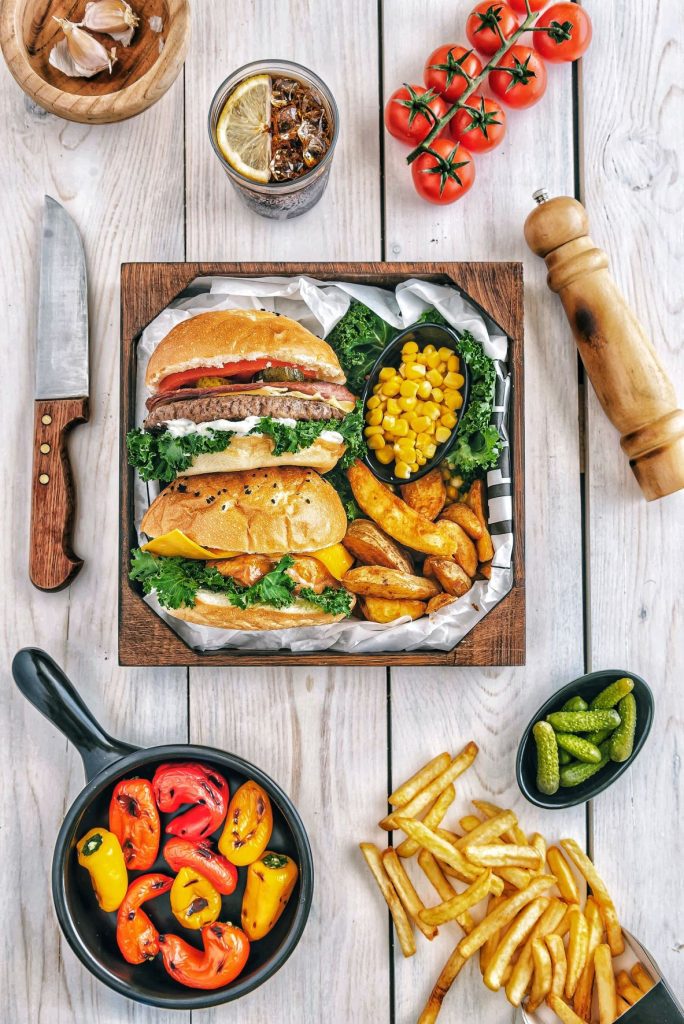
There’s nothing quite like the taste of a beloved family recipe. That lasagna your grandma used to make, your dad’s famous barbecue ribs, or the chocolate chip cookies you baked with your mom. These dishes are more than just food; they are warm memories on a plate.
But have you ever eaten at a fancy restaurant and thought, “Wow, I wish my home cooking tasted this good”? The good news is, you don’t need to be a professional chef to make your family favorites taste restaurant-worthy. It’s all about learning a few simple chef secrets.
This article will show you how to take those classic, comforting family recipes and elevate them. We’ll turn them from “just fine” to “absolutely incredible” using easy-to-understand tips and tricks. Get ready to impress your family and friends!
Why Your Family Recipes Deserve the Spotlight
Family recipes are a treasure. They connect us to our past and to the people we love. A study from the University of Minnesota found that 76% of families believe that cooking and eating together helps them feel closer. These dishes are already winners because of the stories and love baked right into them.
By giving them a small upgrade, you’re not changing their soul. You’re just helping them shine even brighter. You are honoring that legacy by making it the very best it can be.
The Secret Sauce: 5 Chef Tricks to Elevate Any Family Recipe
Professional chefs don’t necessarily have magic powers. They just follow a set of rules that make food look and taste amazing. Here are the five most important ones you can start using today.
1. The Foundation: Seasoning is Everything (And We Mean Everything)
This is the biggest, most important secret. Restaurant food tastes so good because chefs are not shy with salt and pepper.
- Salt in Layers: Don’t just add a pinch of salt at the end. Season your food in steps. If you’re making a stew, season the meat before you brown it. Season the onions and carrots as you cook them. And then, season the whole pot again before it simmers. This builds a deep, rich flavor in every single bite.
- Use the Right Salt: Ditch the table shaker! Use Kosher salt (like Morton’s or Diamond Crystal) for cooking. Its larger flakes are easy to pinch and sprinkle evenly, so you have more control. Keep a small bowl of it next to your stove.
- Freshly Cracked Pepper: The flavor in pre-ground pepper disappears quickly. Always use a pepper grinder with whole peppercorns. The difference is night and day.
Actionable Tip: The next time you make mashed potatoes, taste them at the end. Now, add one more good pinch of salt, stir, and taste again. See the difference? That’s the restaurant trick!
2. The Flavor Booster: Build a Deeper, Richer Flavor
Restaurant food has a “depth of flavor” that can be missing at home. This means the taste is complex and interesting, not one-note. Here’s how to get it:
- Brown, Don’t Gray: When cooking ground meat for tacos or chunks of beef for stew, don’t crowd the pan. If you put too much meat in at once, it will steam and turn gray. Cook in batches so each piece gets a dark, brown, crispy crust. This “browned” flavor, called the Maillard reaction, is the key to a rich-tasting sauce or soup.
- Sauté Your Aromatics: Don’t just throw raw onions and garlic into a dish. Always cook them in a little oil or butter first, until they become soft, sweet, and fragrant. This simple step releases their natural sugars and creates a flavor base for your entire recipe.
- Use Flavorful Liquids: Instead of always using water, try swapping in broth, stock, or even wine (the alcohol cooks off, leaving only flavor). Cooking your rice in chicken broth instead of water is an instant upgrade.
3. The Texture Trick: Make Your Food Fun to Eat
Great food isn’t just about taste; it’s about how it feels in your mouth. Restaurants are masters of texture.
- Add a Crunchy Topping: A soft casserole or soup becomes amazing with a crunchy contrast. Try toasted breadcrumbs, chopped nuts, crispy fried onions, or a sprinkle of seeds.
- Finish with Freshness: A heavy, slow-cooked meal feels lighter and brighter with a fresh garnish. Chopped fresh herbs (like parsley, cilantro, or basil), a squeeze of lemon juice, or a drizzle of good olive oil right before serving can make the whole dish pop.
4. The Presentation Power-Up: We Eat with Our Eyes First
A beautiful plate makes the food taste better before it even hits your tongue. You don’t need fancy tools!
- Use a Big Spoon: Instead of piling food in the center of the plate, use a large serving spoon to place it gently, creating a nice shape.
- Wipe the Rim: After you plate your food, take a clean paper towel and wipe any splatters off the edge of the plate. It looks instantly cleaner and more professional.
- Add a Pop of Color: A green sprinkle of parsley on white mashed potatoes, or a red sprinkle of paprika on mac and cheese, makes the dish look alive and inviting.
5. The Quality Upgrade: One or Two Special Ingredients
You don’t have to break the bank, but using one or two high-quality ingredients can transform a dish.
- Good Cheese: Instead of pre-shredded cheese in a bag (which is coated with powder to prevent clumping), buy a block of real Parmigiano-Reggiano or a sharp cheddar and grate it yourself. The flavor is infinitely better.
- Real Vanilla Extract: In your baked goods, swap imitation vanilla for the real thing. The complex, warm flavor is worth the extra few dollars.
- Good Olive Oil: Have a bottle of nicer olive oil for drizzling over finished dishes like soups, pastas, and salads.
Let’s Give Two Classic Recipes a Restaurant Makeover
Let’s see these tips in action with two all-time favorite family dishes.
Restaurant-Worthy Upgrade #1: The Ultimate Creamy Mac and Cheese
The Family Version: Elbow macaroni boiled until soft, mixed with a simple cheese sauce made from butter, flour, milk, and shredded cheddar. Baked until bubbly.
The Restaurant-Worthy Upgrade:
- Seasoning & Flavor: Cook your pasta in well-salted water (it should taste like the sea). For the sauce, start by sautéing a little mustard powder and a pinch of cayenne pepper with the butter and flour. This adds a subtle, complex background heat.
- Quality Ingredients: Use a combination of cheeses! Try a mix of sharp white cheddar for punch, Gruyère for nuttiness, and a little of that real Parmigiano-Reggiano for a salty kick. Grate it all yourself.
- Texture: For the topping, mix Panko breadcrumbs (they’re lighter and crispier than regular breadcrumbs) with melted butter and a little more of your grated cheese. Sprinkle it over the top before baking for an incredible golden, crunchy crust.
- Presentation: Serve it in a beautiful baking dish, and garnish with a light sprinkle of chopped chives or parsley for a touch of green.
Restaurant-Worthy Upgrade #2: The “Fall-Off-the-Bone” Pot Roast
The Family Version: A chuck roast simmered for hours in a slow cooker with potatoes, carrots, and onions in a can of cream of mushroom soup.
The Restaurant-Worthy Upgrade:
- Seasoning & Flavor (Browning!): This is crucial. Take the time to pat your roast completely dry with paper towels. Then, generously season it with Kosher salt and black pepper. In a heavy pot, heat a little oil until it’s very hot. Sear the roast on all sides until a dark brown crust forms. This step is non-negotiable for flavor!
- Flavorful Liquids: Instead of cream of mushroom soup, remove the roast and sauté chopped onions, carrots, and celery in the same pot. Add a few tablespoons of tomato paste and cook for a minute. Pour in about a cup of red wine (or more beef broth) to scrape all the delicious brown bits off the bottom of the pot. This is called “deglazing” and it’s a flavor goldmine. Then add your beef broth.
- Texture & Freshness: Return the roast to the pot, cover, and cook low and slow until tender. At the very end, stir in a tablespoon of butter and a splash of fresh lemon juice or a sprinkle of chopped parsley into the gravy. This final touch of fat and acid will make the sauce taste rich and balanced, not heavy.
Frequently Asked Questions (FAQs)
Q: I’m afraid I’ll mess up my family’s recipe and lose its original charm.
A: This is a common and valid fear! The goal is not to change the recipe, but to enhance it. Think of it like polishing a treasured piece of jewelry. You’re making it shine, not replacing the gem. Start with small changes, like simply seasoning each layer or using a fresh herb garnish. You can always taste as you go.
Q: Do I need to buy expensive kitchen equipment?
A: Not at all! While a good, sharp chef’s knife and a heavy-bottomed pot are helpful, you don’t need a kitchen full of gadgets. The most important “tools” are the techniques: proper seasoning, browning, and tasting.
Q: How can I make my food look nice without being an artist?
A: Keep it simple! Use the “wipe the rim” trick. Add a colorful garnish (green herbs, red pepper flakes, a lemon wedge). Serve food on clean, white plates, which make the colors of the food pop. You’ll be amazed at what a difference these small touches make.
Q: What is the single most important tip to start with today?
A: If you only do one thing, let it be this: TASTE YOUR FOOD AS YOU COOK. This is the golden rule of every chef. Season, taste, adjust. Is it bland? Add a pinch of salt. Is it flat? Add a squeeze of lemon. Your tongue is your most powerful tool in the kitchen.
A Final Word from Our Kitchen to Yours
Your family recipes are a priceless heirloom. They tell the story of who you are and where you come from. By using these simple, professional techniques, you are not just cooking; you are continuing a beautiful tradition and making it even more special for the next generation.
So go into your kitchen with confidence. Grab that old recipe card, and don’t be afraid to add a little extra love—in the form of a good sear, a generous pinch of salt, or a fresh, colorful garnish. You have everything you need to create a taste of home that is truly, undeniably, restaurant-worthy.
