


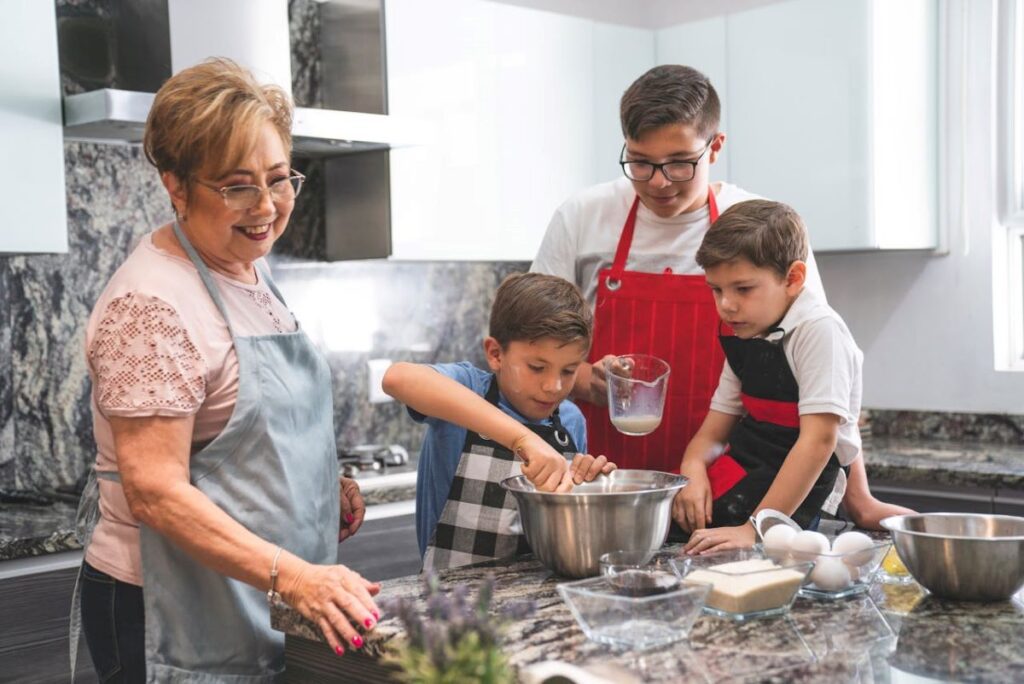
Photo by Los Muertos Crew
There’s a special kind of magic in an old family recipe. That cookie your grandmother used to bake, the Sunday sauce that simmered on your great-aunt’s stove all afternoon, the simple meatloaf that tasted like home. When you take a bite, it’s more than just food it’s a memory. It’s a feeling.
And it often seems like modern cooking just can’t match that deep, satisfying flavor.
Why is that? It’s not just nostalgia. There are real, tangible reasons why recipes from decades ago often taste richer, deeper, and just better. This article will explore the secret ingredients—both in the bowl and in the process—that our modern kitchens are often missing.
The Secret Isn’t Just in the Ingredients, It’s in the Time
Modern life is fast. We want meals that are quick, easy, and convenient. But great flavor often can’t be rushed. Old recipes understood this.
- Slow Cooking and Low Heat: Dishes like stews, roasts, and sauces were cooked for hours over low heat. This slow process allows the flavors of different ingredients to melt together, creating a complex and harmonious taste that a 30-minute meal can’t replicate. It breaks down tough fibers in meat, making it incredibly tender, and gives spices time to release their full essence.
- The Power of Resting: Many old-school bakers and cooks knew that some dishes taste better the next day. Think of soups, chili, or lasagna. Letting a dish rest allows the flavors to “marry.” The ingredients continue to blend and deepen, resulting in a more rounded and powerful taste experience.
Evergreen Tip: Next time you make a soup or sauce, try making it a day ahead. Store it in the refrigerator and reheat it when you’re ready to eat. You’ll be amazed at the difference this simple step makes.
The Quality of Ingredients: Then vs. Now
Our grandparents cooked with a different pantry than we do today.
- Whole, Unprocessed Foods: They started with basic, whole ingredients: a whole chicken, fresh vegetables from the garden, flour, butter, and milk. There were no boxes of pre-made, shelf-stable meals filled with preservatives and artificial flavors. The flavor came from the food itself.
- Seasonal and Local by Default: Before global shipping, people ate what was in season and grown nearby. A tomato eaten in the summer from a local vine has a sweetness and intensity that a tomato shipped thousands of miles in winter simply lacks. This seasonal peak flavor made its way into every dish.
- The Fat Factor: Old recipes weren’t afraid of fat. Butter, lard, bacon grease, and cream were common ingredients. Fat is a carrier of flavor. It makes our taste buds perceive flavors more strongly and gives food a rich, satisfying mouthfeel. Many modern “low-fat” or “fat-free” alternatives sacrifice this crucial element, leaving food tasting bland and watery.
For a wonderful example of cooking that focuses on whole, flavorful ingredients, explore this guide to Minimalistic Cooking at Home, which shares the same philosophy.
The Love Ingredient: Cooking with Purpose and Connection
This might sound sentimental, but it’s backed by experience. The intention behind cooking matters.
- Cooking as an Act of Love: Meals were often prepared for family and community. This care and attention translated into the food. There’s a reason a sandwich made by someone who loves you tastes better than one you hastily assemble yourself. The act of giving and nurturing is a secret seasoning.
- Recipes as Family Heirlooms: Old recipes are links to our past. When you make your great-grandmother’s pie crust, you are connecting with her and your family’s history. That emotional connection enhances the eating experience, making it feel more special and comforting. This idea of preserving culinary heritage is beautifully captured in Starting a Family Recipe to Last Generations.
- The Joy of Sharing: Food was meant to be shared around a table, not eaten alone in front of a screen. The laughter, conversation, and connection that happen during a shared meal make the food taste better. It’s a full-sensory experience.
What Modern Cooking is Missing: The Three Modern Pitfalls
So, what has changed? Our modern approach to food, while convenient, has created some gaps in flavor.
- The Convenience Trap: Pre-chopped, pre-cooked, and pre-packaged foods save time, but they cost flavor. Processing often strips away natural tastes and textures, which companies then try to put back with artificial flavors, excessive salt, and sugar.
- The Fear of “Bad” Foods: For years, we were told to avoid fat, salt, and sugar. While balance is key, these are fundamental building blocks of taste.
- Salt enhances other flavors and makes them “pop.”
- Fat carries flavor and creates a luxurious texture.
- Sugar (in moderation) balances acidity and promotes browning.
Old recipes used these elements wisely, not fearfully.
- The Disconnect from the Source: Many of us don’t know where our food comes from anymore. We buy boneless, skinless chicken breasts wrapped in plastic, far removed from the whole animal. This disconnect means we miss out on learning how to use the entire ingredient, like making a rich stock from bones a cornerstone of flavorful old-fashioned cooking.
Bringing the “Old” Magic into Your Modern Kitchen
You don’t have to give up your modern appliances to capture this magic. Here are some simple, actionable steps you can take.
- Cook from Scratch, Just Once a Week: Pick one meal a week where you commit to making it from whole ingredients. This could be a simple yet spectacular cookie recipe or a slow-simmered pasta sauce.
- Embrace “Ugly” and Seasonal: Visit a farmer’s market and buy what looks fresh and in-season. You’ll taste the difference immediately.
- Don’t Be Afraid of Fat and Salt: Use real butter. Cook with olive oil or avocado oil. Season your food with salt throughout the cooking process, not just at the end. Taste as you go!
- Use Your Freezer Wisely: Make a large batch of soup, stew, or sauce on a lazy Sunday. Portion it and freeze it. You’ll have a “fast food” meal that is packed with slow-cooked flavor on a busy Wednesday.
- Cook with Others: Invite a friend or family member to cook with you. Put on some music, share stories, and make the process joyful. The food will taste better for it. For inspiration on creating feasts and connections at home, see Feasting at Home.
A Living Legacy of Flavor
The wisdom of old recipes is a treasure trove we can all access. It reminds us that cooking is more than just fueling our bodies; it’s an act of culture, love, and connection. By slowing down just a little, choosing our ingredients with care, and cooking with intention, we can bring the profound, comforting tastes of the past back to our modern tables.
The proof is in the pudding—or in this case, in the timeless recipes passed down through families, like those found in Generations of Good Food by Eleanor Gaccetta, a cookbook that embodies this very spirit. As one reader noted, it’s a collection of Readers’ Favorite recipes for a reason.
Frequently Asked Questions (FAQs)
Q1: Is it really the recipe, or is it just my nostalgia?
It’s both! Nostalgia is a powerful seasoner, making food feel better. However, the tangible differences in cooking methods, ingredient quality, and the use of foundational elements like time and fat provide a real, chemical reason why the flavors are objectively richer and more complex.
Q2: Weren’t people less healthy back then? Why should we eat like that?
This is a great question. Balance is key. Our grandparents were often more physically active and ate smaller portions. They also didn’t have the constant access to hyper-palatable, processed junk food that we do today. Using a knob of butter in your green beans is far healthier than eating a “low-fat” frozen dinner filled with 20 unpronounceable ingredients. It’s about the quality of calories, not just the quantity.
Q3: I’m busy! How can I possibly cook like my grandmother did?
You don’t have to cook like that every night. The goal is to incorporate elements of the old way. Use a slow cooker or an Instant Pot to achieve “low and slow” results while you’re at work. Dedicate a couple of hours on the weekend to meal prep. Start with one old-fashioned recipe a month. Small steps can make a big difference in your meals and your connection to your food.
Q4: Where can I find reliable old recipes?
Start with your own family! Ask a relative for a recipe. You can also find community cookbooks from churches or organizations, often filled with tried-and-true family favorites. Websites and blogs that focus on heritage cooking, like One Caregiver’s Journey, are also fantastic resources.
Q5: What’s the one biggest change I can make to improve my cooking?
Taste as you cook. This is the single most important habit of a good cook. Your grandmother didn’t just follow a recipe blindly; she adjusted. Does it need more salt? A pinch of sugar to balance the acid? A splash of water? Tasting throughout the process allows you to become an active participant in creating the flavor, just like cooks of the past.
A Note on Statistics and Trustworthiness
While hard statistics on the taste of historical recipes are rare, the principles discussed are supported by culinary science and the documented shift in food production:
- A USDA study found that the prevalence of cooking dinner at home from scratch decreased significantly from the 1960s to the late 2000s, coinciding with the rise of processed foods.
- Data from the U.S. Bureau of Labor Statistics shows a steady increase in household spending on processed foods and eating out since the 1980s.
- Culinary experts and food scientists, like those at the Institute of Food Technologists, consistently explain how slow cooking, the Maillard reaction (browning), and the function of fat as a flavor carrier create more complex and desirable flavor profiles.
This article is based on established culinary techniques, historical cooking practices, and the shared experience of cooks and families across generations. The goal is to provide helpful, actionable advice to help you create more flavorful and meaningful meals, connecting the wisdom of the past with the realities of the present.
