Caring for a loved one is one of the most important roles you will ever take on. But if you are reading this, you might be feeling a mix of emotions: love, duty, fear, and maybe even a little confusion.
Perhaps you just moved your aging parent into your home. Maybe your spouse recently received a tough diagnosis. Or perhaps you are lying awake at night wondering, “Am I really ready for this?”
If any of that sounds familiar, you are in the right place. This guide is designed to help you understand what it truly means to become a family caregiver, how to prepare for the road ahead, and most importantly how to take care of yourself along the way.
What Exactly is a Family Caregiver?
A family caregiver is anyone who provides unpaid help to a relative or loved one who cannot fully care for themselves. This can be for a parent, spouse, child, or friend.
You might be surprised to learn that if you do any of the following, you are already a family caregiver:
- Drive your mother to her doctor’s appointments
- Help your father manage his medications
- Prepare meals for a neighbor recovering from surgery
- Handle the bills or finances for an aging relative
- Help a loved one bathe, dress, or use the bathroom
Many people don’t identify as caregivers because they think of it as just “being a daughter” or “helping out.” But recognizing yourself as a family caregiver is important. It helps you understand that you are taking on a serious responsibility and that there are resources out there to support you.
Note: This guide focuses on becoming a family caregiver (unpaid). If you are looking for professional caregiving as a career, see our guide on Caregiving as a Career in 2026.
The Two Types of Family Caregivers
Generally, family caregivers fall into two categories. Understanding where you fit can help you know what to expect.
1. The Long-Distance Caregiver
You don’t live in the same city or state as your loved one. You coordinate care by phone, visit on weekends, and handle administrative tasks like finding local help or managing finances.
The Challenge: You often feel guilty that you aren’t there to help in person.
Learn more about long-distance caregiving challenges and how to cope.
2. The Live-In or Primary Caregiver
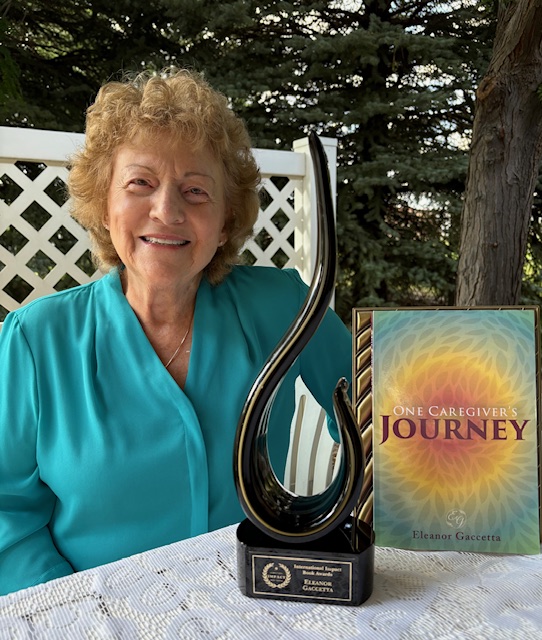
You are the boots on the ground. You are likely the one handling daily needs, doctor visits, and the emotional toll of watching someone decline. As Eleanor Gaccetta shares in One Caregiver’s Journey, being a sole caregiver often means living in “virtual isolation” for years at a time.
The Challenge: Burnout is a real risk. You give so much of yourself that you often forget you have needs, too.
The Hard Truth: What No One Tells You About Becoming a Caregiver
When you first start, you might think it’s just about cooking and cleaning. But the reality is much deeper.
The Role Reversal
At some point, every caregiver asks themselves: “When did I go from being an adult child to the parent?” One day, the person who took care of you needs you to help them shower. Knowing this is normal can help ease the emotional weight.
The Emotional Whiplash
You will have moments of deep frustration and moments of profound love—sometimes within the same hour. It is okay to feel angry, sad, or guilty. These feelings don’t make you a bad person; they make you human.
The Practical Demands
Beyond the emotional side, there is a mountain of practical work:
- Medical Management: Tracking prescriptions, side effects, and doctor’s orders
- Legal and Financial: Navigating insurance, Medicare, and power of attorney
- Physical Labor: Lifting, bathing, and transferring someone who may be immobile
What You Need to Do First (Before an Emergency)
If you are about to become a family caregiver, don’t wait until a crisis hits.
1. Have the Conversation (Before It’s an Emergency)
Sit down with your loved one and, if possible, your siblings or other family members. Talk about what your loved one wants. Do they want to stay at home? What are their financial resources? Who will handle what?
2. Get the Legal Paperwork in Order
Ideally, your loved one should have:
- A will
- A power of attorney (for finances)
- A healthcare proxy (for medical decisions)
For help covering costs, explore these financial assistance options for family caregivers.
3. Assess Your Home (If They Are Moving In)
- Is there a bedroom and bathroom on the first floor?
- Are there tripping hazards like loose rugs?
- Can you fit a wheelchair or walker through the doorways?
Use this senior safety check list to identify hidden hazards before moving your loved one in.
4. Understand Your Limits
If you are working full-time, raising children, and have no backup support, caring for someone who needs 24/7 supervision may be impossible without help. There is no “wrong” choice—only the one that brings the most comfort to your loved one and peace to your family.
The Hardest Decision: Hospice at Home or in a Facility?
One of the most difficult moments is when curative treatments stop working and the focus shifts to comfort.
Option A: In-Home Hospice
Your loved one stays in familiar surroundings. The hospice team (nurses, aides, social workers) comes to you.
Best for: Families who have the space, physical strength, and emotional capacity to be primary supervisors of care.
Option B: Facility-Based Hospice
Your loved one moves to a hospice house, hospital unit, or nursing home with 24/7 medical supervision.
Best for: Families where the caregiver is exhausted, the home isn’t safe, or the patient needs round-the-clock skilled nursing care.
For a more detailed comparison, read our full guide: Choosing Hospice at Home or in a Facility.
You Are Not Alone: Updated 2026 Statistics
Sometimes, looking at the numbers helps you realize you aren’t alone.
According to the 2025 Caregiving in the U.S. report from AARP and the National Alliance for Caregiving, approximately 63 million Americans provide care to an adult or child with complex care needs. This represents nearly one in four adults. [Source: AARP]
On average, family caregivers spend 24 hours per week providing care. For those caring for someone with dementia, that jumps to 44 hours per week. The financial impact is significant—the AARP estimates family caregivers spend an average of $7,000 per year out-of-pocket on care-related expenses.
These numbers show that caregiving is a massive, nationwide reality. You are part of a large community, even if it feels lonely.
The Golden Rule: Caring for the Caregiver
You cannot pour from an empty cup. Caregiver burnout is real and leads to depression, anxiety, and physical health problems.
If you feel overwhelmed, recognizing the signs of understanding caregiver burnout and compassion fatigue is essential.
5 Actionable Self-Care Tips
- Accept Help. When someone says, “Let me know what I can do,” reply with: “Yes, could you sit with Mom for two hours on Tuesday?”
- Use Respite Care. Medicare often covers short-term respite stays (up to 5 days). It’s not a failure; it’s maintenance.
- Set Boundaries. You do not have to answer the phone at 10 PM if it’s not an emergency.
- Join a Support Group. Talking to people who “get it” is incredibly healing.
- Keep a Journal. Writing down your thoughts can help process grief and frustration.
Frequently Asked Questions (FAQs)
Q: How do I get paid for being a family caregiver?
A: In most cases, family caregivers are not paid by Medicare. However, some state Medicaid programs pay family members, and the VA may offer a stipend for veterans. If caring for a parent, they may be able to pay you from their own assets. For more help, see our guide on [financial assistance options for family caregivers].
Q: What is the difference between home health care and hospice?
A: Home health care is for recovery or managing a chronic condition. Hospice is for terminal illness when curative treatment has stopped—the goal is comfort and quality of life.
Q: How do I handle a parent who refuses help?
A: Try to understand their fear—losing independence is scary. Instead of saying, “You need help,” try: “I’m worried about you falling. I would feel better if we had someone come once a week.”
Q: How do I deal with guilt?
A: Guilt is common. Remember: You are doing your best. You are allowed to have a life outside of caregiving. Taking a break doesn’t mean you love your loved one any less.
A Companion for the Journey
Eleanor Gaccetta’s memoir, One Caregiver’s Journey, is an honest, heartfelt look at providing 24/7 care for nearly a decade. It doesn’t sugarcoat the hard parts, but it also highlights the humor, the love, and the deep personal growth that can come from this experience.
Reading her story feels like sitting in a friend’s living room, getting advice from someone who has been in your shoes.
Conclusion: You’ve Got This
Becoming a family caregiver is not something most people plan for. It usually falls into your lap because of love. And while it is exhausting, expensive, and emotionally draining, it can also be one of the most meaningful seasons of your life.
You are doing a good job. Just by reading this article, you are proving that you are a thoughtful, dedicated caregiver.
Take a deep breath. Start with the small steps. Have the conversations. Set up the legal paperwork. And most importantly, be kind to yourself.