If you are a caregiver, you know the job is tough. You might feel tired, stressed, and sometimes invisible. You spend your days worrying about someone else, managing medicines, and handling emergencies.
But here is a truth many people don’t talk about: caregiving is also incredibly rewarding.
While the challenges are real, there is another side to this story. Hidden within the long hours and hard work are some amazing benefits not just for the person you care for, but for you. This article explores the true benefits and rewards of being a caregiver. We will look at how this role can strengthen your heart, sharpen your mind, and give your life a deep sense of purpose.
Whether you are new to this journey or have been on it for years, understanding these rewards can help you see your role in a new, more positive light.
What Are the Real Rewards of Being a Caregiver?
When people ask, “Why would anyone take on such a hard job?” the answer often lies in the rewards you cannot see or touch. These are the emotional and psychological gifts that come from caring for another person.
1. A Deep Sense of Purpose
One of the greatest rewards of being a caregiver is the powerful sense of purpose it provides. Knowing that someone depends on you that your actions directly improve another person’s life gives each day meaning.
Research from Rush University Medical Center found that people with a high sense of purpose were 2.4 times more likely to remain free of Alzheimer’s disease than those with a low sense of purpose. Your role as a caregiver isn’t just important for your loved one; it’s a powerful protector of your own brain health.
2. Strengthened Family Bonds
Caring for a parent, spouse, or grandparent can deepen your relationship in ways you never imagined. You move from being an adult child or partner to a trusted companion. You share difficult moments, yes, but also moments of quiet connection, laughter, and love.
As Eleanor Gaccetta, author of One Caregiver’s Journey, writes: “The best part about caregiving is the opportunity it provides for one to grow, to improve and to conquer fear and challenges, so long as it is done with honesty, humor and love.”
This journey can transform a relationship, building a bond based on mutual trust and deep gratitude.
3. Personal Growth and Resilience
Caregiving forces you to grow. You learn to do things you never thought you could—navigate healthcare systems, handle finances, and stay calm during a crisis. Overcoming these challenges builds resilience.
Resilience is like a mental muscle. The more you use it, the stronger it gets. Every time you solve a new problem or handle a stressful situation, you prove to yourself how capable you are. This inner strength doesn’t go away when your caregiving journey ends. It stays with you, making you stronger for the rest of your life.
4. The Joy of Giving Back
For many, caregiving is a chance to give back to someone who once cared for them. There is a unique joy in providing comfort and safety to a loved one in their time of need. It allows you to express your love in the most practical, hands-on way possible. This act of giving can bring a deep sense of closure, peace, and honor.
Surprising Cognitive Benefits: How Caregiving Helps Your Brain
Beyond the emotional rewards, caregiving actually provides a workout for your brain. Science is beginning to show that “helping helps” the helper in powerful ways. This section explores those surprising cognitive benefits.
1. Sharpened Problem-Solving and Planning Skills
As a caregiver, you are the CEO of your loved one’s well-being. You manage medications, coordinate doctor visits, handle insurance, and plan meals. Every day, you are solving new puzzles.
This constant planning strengthens your brain’s executive function the command center that helps you organize, make decisions, and strategize. You are essentially giving your brain a daily workout, keeping it agile and sharp.
2. Improved Memory
A caregiver’s to-do list is endless. You must remember medication schedules, appointment times, allergy information, and even your loved one’s favorite stories or foods. This constant recall is a powerful exercise for your memory.
By actively using your short-term and long-term memory every day, you are helping to keep those neural pathways strong and active.
3. Better Multitasking and Focus
Few people have to juggle as many tasks as a caregiver. You might be cooking dinner while listening for a loved one in the other room, all while mentally preparing a list of questions for the doctor.
This practice can improve your ability to switch between tasks and maintain focus, even in a chaotic environment. Your brain becomes more agile and efficient at managing multiple streams of information at once.
4. Enhanced Emotional Strength
Dealing with difficult emotions is part of the job. But learning to manage your own stress, comfort a scared loved one, and remain patient through frustration builds incredible emotional strength.
This directly benefits your brain by strengthening the pathways related to coping and adaptation. A brain that knows how to stay calm under pressure is a healthier, more resilient brain.
Understanding the Balance: The Struggles Are Real
It is important to be honest. You cannot talk about the rewards without acknowledging the struggles. Caregiving can be physically exhausting and emotionally draining. Caregiver burnout is real.
The key is to understand that you can experience the amazing rewards only if you also take care of yourself.
Think of it like a weightlifter. Lifting weights makes you stronger, but if you lift too much without resting, you get injured. Caregiving strengthens your heart and mind, but you need to take breaks to “rest your mental muscles.”
If you are feeling overwhelmed, the benefits can fade. That is why self-care is not selfish—it is essential.
Simple Self-Care Strategies for Caregivers:
- Take Short Breaks: Even 5-10 minutes of quiet time can reset your brain.
- Ask for Help: You cannot do it alone. Let family and friends share the load.
- Stay Connected: Isolation is a major risk for caregivers. Make time to talk to a friend.
- Join a Support Group: Connecting with others who understand your journey can be a lifeline.
- Get Enough Sleep: Sleep is when your brain repairs itself.
For a deeper dive into the science of how caregiving boosts your brain, you can read more about the Surprising Cognitive Benefits Of Caregiving Helping Helps on our blog.
Sometimes, the best way to understand the rewards of caregiving is to hear from someone who has walked the path. Reading a personal story can make you feel less alone and provide practical tips you won’t find in a medical textbook.
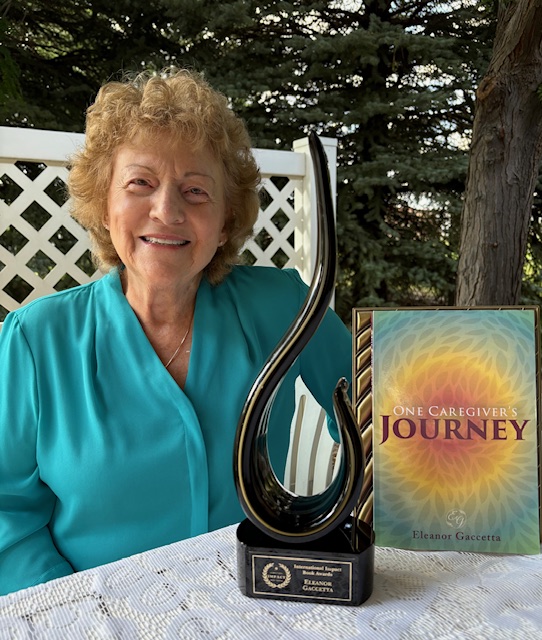
Eleanor Gaccetta’s memoir, One Caregiver’s Journey , is a perfect example. Eleanor was the sole caregiver for her mother for 9½ years, until her mother passed away at age 102. Her book is an honest, warm, and practical guide filled with the wisdom she gained.
She writes with humor and honesty about the challenges and the profound rewards. As one review notes, “Not only did Eleanor keep her mother at home until the very end, but she also did it with joy, love, optimism and faith. She managed to find the humor in situations most of us would never be able to handle.”
Reading her story can provide comfort, guidance, and the reassurance that you are not alone on this journey. It is a “blueprint” for navigating the complex path of caregiving.
Frequently Asked Questions (FAQs)
Q: I’m so stressed I can’t see any rewards. What should I do?
A: Your feelings are completely valid. The rewards are hardest to see when you are running on empty. The most important step is to seek support. Talk to your doctor, look for a local caregiver support group, or ask family members to help. Reducing stress is the first step to being able to feel the positive aspects of your role.
Q: Are these benefits only for people caring for someone with dementia?
A: Not at all. While much research has focused on dementia care, the core benefits apply to all types of caregiving. Whether you are caring for a child with special needs, a spouse recovering from a stroke, or an aging parent, the activities that build purpose, problem-solving, and memory are universal.
Q: How can caregiving protect my brain as I age?
A: A strong sense of purpose and an intellectually engaged lifestyle are two of the most powerful factors linked to reducing the risk of cognitive decline. Caregiving provides both. Think of it as building a “cognitive reserve” a buffer that helps your brain stay healthier for longer.
Q: I’m not a full-time caregiver. Do I still get the benefits?
A: Yes! Any act of helping can provide a brain boost. The “helper’s high” from a single act of kindness is real. The more consistently you engage in caring behaviors, the more you may strengthen those cognitive muscles, but every little bit helps.
Conclusion: Embracing the Full Journey
Being a caregiver is one of the most challenging roles you will ever take on. But it is also one of the most meaningful. The benefits and rewards of being a caregiver—the deeper bonds, the personal growth, the sharpened mind, and the profound sense of purpose—are gifts that stay with you for a lifetime.
By acknowledging both the struggles and the rewards, and by making your own well-being a priority, you can navigate this journey with more strength and even find joy along the way.
Are you looking for more guidance and support on your caregiving journey?
Discover the heartfelt wisdom of someone who has been where you are. Read Eleanor Gaccetta’s memoir, One Caregiver’s Journey, for practical tips, comfort, and inspiration. You can also explore more articles on caregiving and brain health to help you thrive in your role.