


Living Through Anxiety and Uncertainty
The events over the past several months have pushed anxiety levels over the top for almost everyone. The past year has been an emotional roller coaster for virtually every one of us.
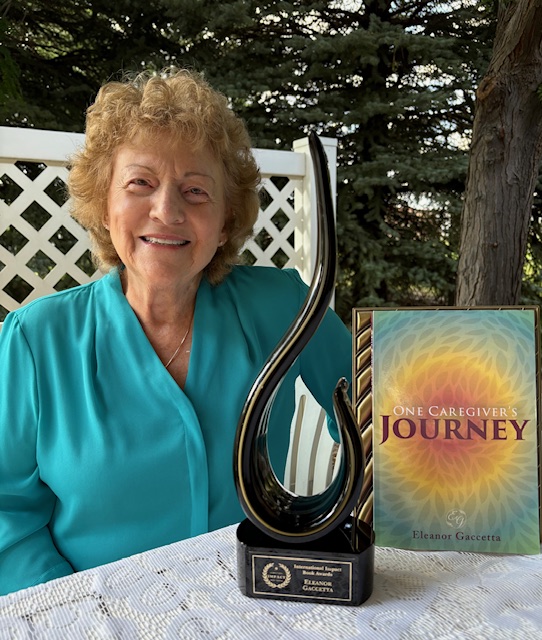
In my recent blogs about caregiving, I have focused on different ways to ensure we stay connected to one another and grounded during the pandemic. In my book, One Caregiver’s Journey, I am diligent in reminding readers about the importance of looking for balance.
Finding balance can be difficult during periods of national uncertainty. However, practicing caregiver self-care can help caregivers protect their physical, mental, and emotional well-being while continuing to support their loved ones.
The Political Climate Before the Pandemic
In early 2020, the U.S. economy was bustling. Businesses were thriving, people were spending, and unemployment was at approximately 3 percent.
Donald Trump took credit for the good times, and it bolstered his powerful ego. His supporters crowed daily like the rooster at dawn. Nobody cared that much of the information we were digesting was only partially accurate because life was good, and he was at the top of our government structure.
COVID-19 and a Crisis of Leadership
Today, it is time for a change, and Donald Trump must go.
The past few months have been filled with turmoil, lies, unrest, and a lack of leadership. I am not going to go into the racial unrest of the summer or the constant barrage of insults directed at women.
Once COVID-19 became a pandemic, Trump brushed aside the recommendations of the medical community, withdrew the United States from the World Health Organization, and weakened the FDA and CDC. He established a COVID-19 team that rarely met.
He abdicated leadership and left the management of the surging virus to 50 different state governors with 50 different programs.
His assertion that the virus was going to disappear and dissipate to zero cases never manifested itself. Instead, we were nearing half a million deaths, and more than 25 million cases had been identified.
Operation Warp Speed produced a vaccine quickly, but the rollout was disconnected and slow, with conflicting information and poor communication. Trump refused to wear a mask, as did many of his ardent supporters.
Would enough people receive the vaccine to offset the anti-vaccine movement?
Our senses became numb from images of semi-trailers filled with bodies parked outside hospitals. This represented an epic failure in leadership.
More than 20 million Americans filed for unemployment. Many businesses were forced to close. Millions of people waited in food lines without enough money to pay rent or mortgages, and the education of our children suffered.
Economic relief proposals were also delayed for months because of partisan politics.
Caregivers faced additional pressure during this period. Many were already balancing healthcare responsibilities, financial concerns, isolation, and fear of exposing vulnerable loved ones to illness. Learning how to prevent caregiver burnout after the pandemic can help families prepare for the long-term effects of such demanding circumstances.
Why a Change in Leadership Was Necessary
It did not matter whether your political affiliation was Republican, Democrat, or Independent. Donald Trump could not remain in the White House.
He turned his back on the COVID-19 pandemic and the resulting economic failure. He talked extensively about getting the economy growing again and getting children back into school, but he did not provide the leadership necessary to accomplish those goals safely.
His supporters who attempted to reopen various state economies soon saw surging virus cases.
He lost the election. It was not stolen or rigged, and numerous court cases, including cases presented to the Supreme Court, found that the allegations were unsupported by sufficient evidence.
He also failed to adequately condemn Russia’s hacking of national security computer systems within government agencies and private industries.
The final breaking point came when he told supporters on January 6 to go to the Capitol and “fight like hell.”
People were killed, the Capitol was ransacked and vandalized, and rioters threatened the Vice President and other congressional leaders.
Some of those arrested for crimes defended their actions by claiming that their president had instructed them to act.
The event was a tragedy, and the image of Donald Trump standing at the podium with a clenched, gloved fist was seen worldwide. He disgraced himself and the United States.
There was no plausible excuse for the situation in which one of the grandest countries in the world found itself. It was time for a change in leadership.
How Political Turmoil Affects Caregivers and Families
All of this turmoil takes a toll on each of us in a different way.
For caregivers, continuous exposure to political conflict, pandemic updates, economic uncertainty, and distressing news can add to an already overwhelming list of responsibilities.
The hidden mental strain experienced by caregivers can include anxiety, irritability, emotional exhaustion, fatigue, difficulty concentrating, and feelings of helplessness.
Caregivers must recognize when outside events are worsening their stress. Staying informed is important, but constantly following news updates may make it more difficult to remain calm, focused, and emotionally available for a loved one.
Protecting Yourself From News-Related Stress
It is important to recognize the need to care for ourselves and our loved ones without becoming completely consumed by news cycles that change hundreds of times a day.
Consider limiting the number of times you check the news, especially before sleeping or while completing caregiving responsibilities. Choose a few reliable sources rather than continuously scrolling through social media.
When anxiety begins to interfere with your ability to rest or function, take a break. Spend time outdoors, prepare a meal, listen to music, call someone you trust, or participate in an activity that helps you regain a sense of calm.
Caregivers can also explore practical ways of dealing with caregiver stress, including exercise, meditation, deep breathing, cooking, and short periods of quiet reflection.
Finding Balance and Moving Forward
It was time for a change because we could not continue down a path of uncertainty.
The leadership that many people had relied on for four years lost its focus on the good of the country. However, we could move beyond the challenges of that period with new leadership if we were willing to give it a chance.
Moving forward does not mean forgetting what happened. It means learning from difficult experiences, protecting our mental health, supporting one another, and rebuilding a sense of stability.
Families and caregivers must also adjust to the new normal in caregiving and life. Change can be uncomfortable, but it can also create opportunities to develop healthier routines, strengthen relationships, and focus on what matters most.
Frequently Asked Questions
How can political uncertainty affect caregivers?
Political uncertainty can increase anxiety about healthcare, finances, employment, safety, and the future. Caregivers who are already under physical and emotional pressure may find it especially difficult to cope with constant conflict and upsetting news.
Why is balance important for caregivers during stressful times?
Balance helps caregivers protect their own health while continuing to care for someone else. Without adequate rest, emotional support, and personal time, caregivers may experience exhaustion, resentment, anxiety, or burnout.
Should caregivers take a break from political news?
Yes. Taking a temporary break from political news does not mean ignoring important events. It gives caregivers an opportunity to recover emotionally, concentrate on immediate responsibilities, and return to the news with a clearer perspective.
Caregivers can reduce news-related anxiety by checking updates at scheduled times, avoiding upsetting news before bed, limiting social media use, choosing reliable sources, and participating in calming activities.
What are the warning signs of caregiver stress?
Common warning signs include constant fatigue, irritability, trouble sleeping, difficulty concentrating, frequent worrying, headaches, changes in appetite, emotional withdrawal, and loss of interest in enjoyable activities.
What are some simple self-care activities for caregivers?
Simple caregiver self-care activities include taking a short walk, practicing deep breathing, preparing a favorite meal, listening to music, writing in a journal, resting without distractions, or asking a trusted person to help with caregiving duties.
How can families support an overwhelmed caregiver?
Families can share caregiving responsibilities, help with errands, prepare meals, attend medical appointments, provide emotional support, and give the primary caregiver uninterrupted time to rest.
Where can caregivers find encouragement and practical guidance?
Caregivers can find personal encouragement and practical insight in One Caregiver’s Journey, Eleanor Gaccetta’s account of providing full-time care for her mother for nearly a decade.
2 comments
Barbara Lyon Slade
nice article, waiting for your another 🙂
Eleanor Gaccetta
Thank you. I try to do blogs as time and thoughts permit. There are lots of guest articles from my publisher’s staff in between. Difficult time for everyone.