Reasons to Thank Caregivers
The caregiving practice is a humbling and rewarding career. Those who work as caregivers are the most selfless, generous, and committed people on Earth. Anyone can be a caregiver. A caregiver is someone patient, compassionate, trustworthy, and empathetic. They are dedicated to performing their duties for the well-being of the ones being cared for. Caregivers can work in hospices or work in the homes of the ones they take care of. Caregivers can work independently or with colleagues. This career path can be tedious and challenging but a rewarding one nonetheless. This is a noble career but an unappreciated one.
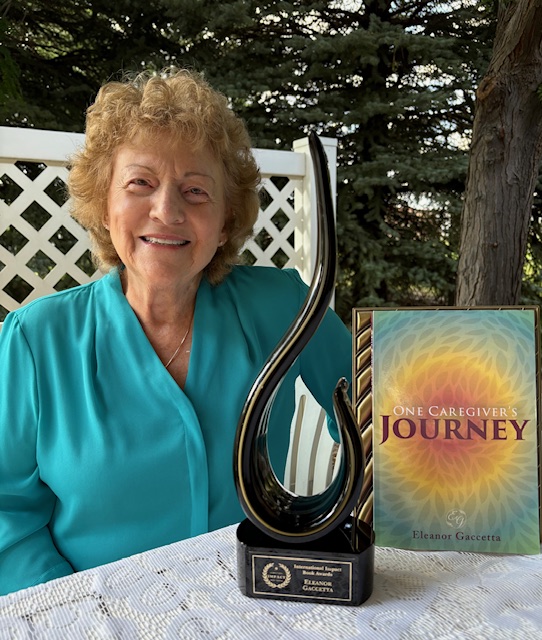
Eleanor Gaccetta, a sole caregiver for a loved one, is an epitome of what a caregiver should be. She decided to retire from her an earning career of almost 40 years to take care of her beloved mother. She then became a full time caregiver for her mother for nine years. She has no prior experience as a caregiver but armed with faith she navigated her way to becoming the best caregiver.
Reading her memoir, One Caregiver’s Journey, one can conclude that being a caregiver is not easy as it may seem. This is exhausting and draining emotionally, physically, and mentally. The duties they have performed needs to be appreciated and recognized by people. Anyone can easily express gratitude towards caregivers. But, only a few know why we should be thankful for their work. There are plenty of reasons to thank caregivers for.
Caregivers Provide More than Service
You may see the work of caregivers as merely caring for people with physical and mental limitations. You may observe that the services they provide are assisting in hygiene, assisting in eating food, monitoring health conditions, and administering medicines. Caregivers even help with the daily tasks such as doing chores. What most do not know is that there are more services they provide to the patients they care for. Their duties are not limited to what the job description says. They do not only provide care but so much more. They provide companionship and emotional support. Caregivers are true blessings to the ones they care for. In addition, caregivers do not desolate a patient, they try to communicate with them on the daily. They create a connection with their patient to give them purpose in living. With that said, caregivers must be valued and appreciated.
Caregivers Have the Hardest Job
The caregiving career is one of the hardest jobs available. Again, people would think that it is all about caring and doing normal day-to-day tasks. And again, it is not just that but more than what you see. Caregivers shoulder countless duties and perform them all at the same time. It is a complex job. Most caregivers work on their own and it can be hard to juggle the tasks at the same time. They are flexible people who can easily adapt to the changes and needs for the ones being cared for. Unlike other jobs with similar tasks to be performed daily, caregiving is dynamic. Everyday is different. Every patient is diverse. You can conclude that working a caregiving career is a challenging one. The skills they may use can be the same but how they approach their tasks and responsibilities will differ.
Caregivers Willingly Sacrifice Themselves
Caregivers are named as the most selfless people. They are willing to dedicate all of their time for the well-being of the people they care for. Their job is demanding that they have to care for their patients 24/7. Caregivers have to be there all the time to provide their assistance.
They are willing to sacrifice their time for themselves just to support the one they are caring for. They are also the most genuine people. They provide help to improve the quality of life of the ones cared for. Their sacrifices are not in vain. Their sacrifice always has an impact not only towards the patient but also the people surrounding the one they care for. Caregivers are not only after the monetary rewards but the emotional fulfillment they obtain every time. Although caregivers may not outright say this, they need a break from time to time. Be more considerate and give them a day off where they can care for their well-being as well.
Caregivers are Part of Your Family
Whether the person caring for your loved one is a family caregiver or a hired one, you should still recognize and appreciate their work. It is safe to say that they are part of your family. Without you knowing it, caregivers will become part of your family. Not only because you are grateful for their work but due to the care they show and their genuineness. Caregivers will create a strong bond with the patients they care for. The caregiver will then become part of your family. When you consider them as family, rest assured that your loved ones are in the right hands and you will have peace of mind at all times.
Frequently Asked Questions
What are the 3 F’s of caregiving?
The 3 F’s of caregiving are fear, fatigue, and failure. These common challenges can affect family caregivers emotionally, physically, and mentally. Recognizing them helps caregivers develop healthier coping strategies and provide sustainable care.
Why do caregivers experience fear?
Caregivers often fear making mistakes, missing signs of illness, managing emergencies, or losing someone they love. Uncertainty about the future and the pressure to provide appropriate care can increase anxiety.
How can caregivers overcome fear?
Caregivers can manage fear by focusing on what they can control, maintaining emergency plans, asking healthcare professionals questions, and practicing mindfulness. Support groups and honest conversations with trusted family members can also help.
What causes caregiver fatigue?
Caregiver fatigue results from ongoing physical and emotional demands, limited sleep, insufficient breaks, and the responsibility of managing another person’s daily needs. Balancing caregiving with work and family obligations can contribute to exhaustion.
What are the signs of caregiver fatigue?
Common signs include persistent tiredness, irritability, difficulty concentrating, disrupted sleep, reduced motivation, and feeling overwhelmed. Some caregivers may also withdraw socially or neglect their own needs.
How can caregivers reduce fatigue and prevent burnout?
Caregivers can reduce fatigue by prioritizing sleep, taking regular breaks, sharing responsibilities, and arranging respite care. Maintaining supportive relationships and setting realistic expectations also help protect their well-being.
Why do caregivers feel like they are failing?
Caregivers may feel like failures when they cannot meet every need, make mistakes, or struggle to balance caregiving with other responsibilities. These feelings often reflect unrealistic expectations and emotional exhaustion rather than an actual inability to provide care.
How can caregivers cope with guilt and feelings of failure?
Caregivers can manage guilt by accepting that perfection is unrealistic, recognizing their efforts, and learning from mistakes. Speaking with a counselor, joining a support group, and asking others for help can also provide reassurance and perspective.
What is the difference between caregiver fatigue and caregiver burnout?
Caregiver fatigue involves physical or emotional tiredness that may improve with rest. Caregiver burnout is a more prolonged state of exhaustion that can involve detachment, reduced motivation, and difficulty continuing caregiving responsibilities.
Why is self-care important for family caregivers?
Self-care helps caregivers maintain the energy, patience, and focus needed to support their loved ones. Adequate rest, nutritious meals, physical activity, and emotional support can make caregiving more sustainable.
How does respite care help overwhelmed caregivers?
Respite care provides temporary relief by allowing another qualified person or service to assist with caregiving responsibilities. This gives caregivers time to rest, attend appointments, address personal needs, or recharge.
When should a caregiver seek professional support?
A caregiver should consider professional support when stress becomes persistent, exhaustion interferes with daily functioning, or feelings of anxiety, hopelessness, or resentment continue to grow. A healthcare provider, counselor, social worker, or local caregiver support organization can help identify appropriate resources.