

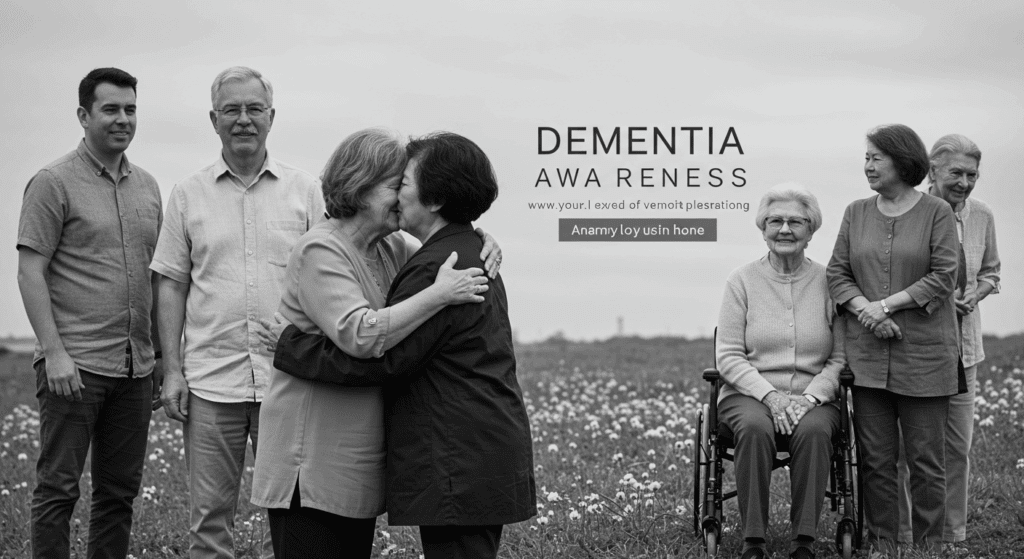
Have you ever seen a small, beautiful blue flower and wondered what its name is? That flower is likely the forget-me-not. But this tiny bloom is more than just a pretty plant. It is the powerful dementia awareness flower, a global symbol of hope, love, and remembrance for millions of people around the world affected by dementia.
If you or someone you love is touched by dementia, you know it can feel lonely and confusing. This article will help you understand why this little blue flower is so important. It’s a sign that you are not alone. We will learn about the flower’s meaning, the facts about dementia, and how you can help.
Why is the Forget-Me-Not the Dementia Awareness Flower?
Flowers have been used to share feelings for centuries. A red rose says “I love you.” A daisy stands for innocence. The forget-me-not carries a very special message: “Remember me. Do not forget me.”
This message perfectly connects to the experience of dementia. Dementia is not a specific disease. It’s a general term for a decline in mental ability that is severe enough to interfere with daily life. It affects memory, thinking, and social abilities. The most common type of dementia is Alzheimer’s disease.
The dementia awareness flower symbolizes:
- Memory and Remembering: Its name says it all.
- Lasting Love: Love continues even when memories fade.
- Hope for a Cure: The color blue represents hope and solidarity.
- Awareness: Wearing or displaying the flower starts important conversations.
By wearing a forget-me-not pin or planting these flowers in your garden, you are quietly telling the world that you care about people living with dementia and their families. You are helping to spread awareness and crush the stigma that often surrounds this condition.
Understanding Dementia: The Facts Behind the Flower
To truly understand why awareness is so important, we need to look at the facts. These numbers show us how big the impact of dementia is.
Key Statistics:
- Globally, over 55 million people are living with dementia. This number is expected to almost double every 20 years. (World Health Organization)
- In the United States, nearly 7 million adults aged 65 and older are living with Alzheimer’s dementia. (Alzheimer’s Association, 2024 Alzheimer’s Disease Facts and Figures)
- Worldwide, someone develops dementia every 3 seconds. (Alzheimer’s Disease International)
- Dementia is one of the leading causes of disability and dependency among older people.
- Perhaps most importantly, dementia affects entire families. Millions of friends and family members provide unpaid care for their loved ones with dementia. (Family Caregiver Alliance)
These numbers are big and can feel scary. But that’s exactly why the dementia awareness flower is so needed. It turns a big, scary number into a personal symbol of care and support.
How You Can Help: Action Steps for Dementia Awareness
Seeing the dementia awareness flower might make you wonder, “What can I do to help?” You don’t have to be a doctor or scientist to make a difference. Here are simple, powerful ways you can take action.
1. Wear and Share the Flower:
The easiest way to help is to wear a forget-me-not pin, especially during World Alzheimer’s Month in September. If someone asks you about your pin, it’s your chance to tell them about dementia awareness. You can also share pictures of the flower on social media with the hashtag #RememberMe or #DementiaAwareness.
2. Educate Yourself and Others:
Learn the basics about dementia from reliable sources. Knowing the facts helps break down myths. For example, dementia is not a normal part of aging. When you learn something new, share it with a friend or family member. The National Institute on Aging has excellent, easy-to-understand resources.
3. Be a Supportive Friend:
If you know someone caring for a loved one with dementia, they might be very tired and stressed. You can help by:
- Listening: Sometimes, they just need someone to talk to.
- Offering specific help: Instead of saying “Let me know if you need anything,” try “I’m going to the store, what can I pick up for you?” or “I can come over on Saturday to watch the game with your dad so you can take a break.”
- Staying in touch: People often stop visiting because they don’t know what to say. But a short visit or a phone call can mean the world. Dementia Friends) is a great initiative that teaches you how to be dementia-friendly.
4. Support Dementia Research and Care Organizations:
Many amazing organizations use the dementia awareness flower symbol. They work to support families, provide care, and fund research for a cure. You can help them by donating money if you are able, or by donating your time as a volunteer.
5. Plant a Garden of Hope:
Planting forget-me-nots in your yard or in a community garden is a beautiful, living tribute. It creates a peaceful spot for people to reflect and remember. It also ensures the symbol of awareness grows and blooms year after year. You can find growing tips from gardening experts like the Royal Horticultural Society.
Frequently Asked Questions (FAQs)
Q1: Is the forget-me-not the official flower for all types of dementia?
A: Yes, the forget-me-not is widely recognized as the universal symbol for all types of dementia awareness, including Alzheimer’s disease. It represents the overall cause of remembering those affected and finding a cure.
Q2: What is the color of the dementia awareness flower?
A: The dementia awareness flower is blue. Specifically, it’s a soft, sky blue color. The color blue symbolizes trust, calm, hope, and solidarity.
Q3: When should I wear the forget-me-not flower?
A: You can wear it any time of year! But it is most common during World Alzheimer’s Month in September. Many people also wear it for specific events like The Walk to End Alzheimer’s.).
Q4: My loved one with dementia doesn’t remember me anymore. Does the flower still have meaning?
A: Absolutely. The forget-me-not is as much for you as it is for them. It symbolizes your lasting love and the memories you hold dear. It’s a reminder that your love and care continue to matter, even on the most difficult days. Support groups through organizations like Alzheimer’s Foundation of America can be very helpful.
Q5: Where can I get a forget-me-not pin or item?
A: Many dementia awareness organizations sell pins, bracelets, and other items in their online shops. The money you spend usually goes directly to support their programs and research.
Q6: Are there other symbols for dementia awareness?
A: Yes. The color purple is also widely used for Alzheimer’s and dementia awareness. You will often see purple ribbons and lights. The forget-me-not flower and the color purple work together to spread the same message of hope.
Conclusion: A Promise to Remember
The forget-me-not is a small but mighty flower. It carries a giant message of love, memory, and hope. It reminds us that behind every statistic is a person—a mother, a father, a grandparent, a friend—with a life story worth remembering.
By understanding this symbol and taking small steps to raise awareness, we can create a world that is more kind, supportive, and informed about dementia. We can show families they are not forgotten. We can help researchers feel supported in their search for a cure.
So the next time you see a patch of little blue flowers, let it be a reminder. A reminder to learn, to care, and to never, ever forget.
[/et_pb_text][/et_pb_column] [/et_pb_row] [/et_pb_section]