

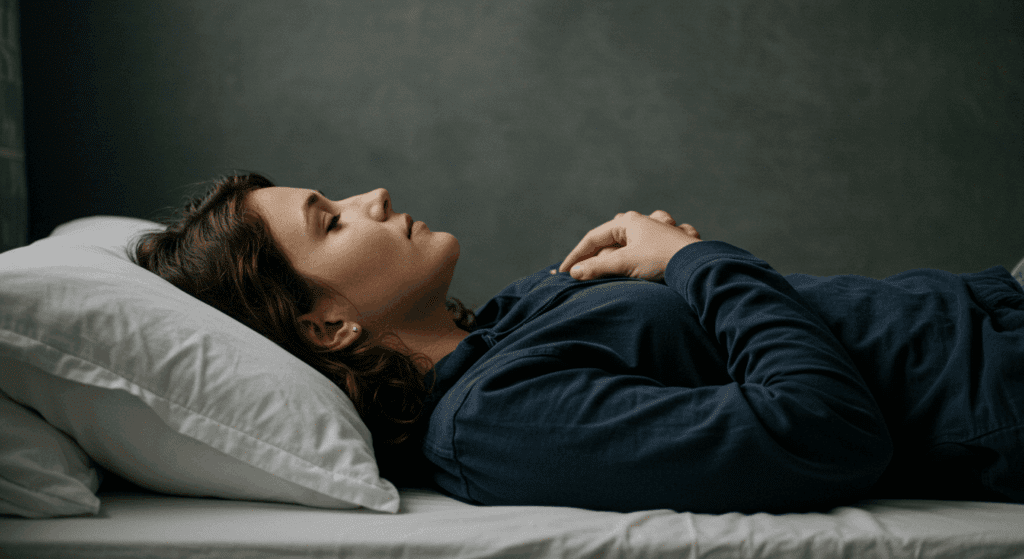
Do you ever wake up feeling tired, even after a full night in bed? Do you spend your day yawning, feeling foggy, or relying on coffee to get through? You are not alone. Millions of people struggle to get the deep, restful sleep their bodies need to feel their best. If you’re wondering how to improve sleep quality, you’ve come to the right place.
Sleep isn’t just a time when your body shuts off. It’s an active period where your body is working hard to repair itself, process memories, and recharge for the next day. Good sleep is just as important for your health as eating well and exercising, and learning how to improve sleep quality is a vital skill for everyone.
This guide will walk you through simple, proven steps you can take. We’ll answer your biggest questions and give you clear tips you can start using tonight for more restful nights and better health.
Why Is Sleep So Important? Let’s Look at the Numbers
Before we get to the tips on how to improve sleep quality, let’s understand why this matters so much. Sleep affects every part of our lives.
- 1 in 3 adults do not get enough sleep on a regular basis. (Centers for Disease Control and Prevention – CDC)
- Sleeping less than 7 hours a night is linked to a higher risk of weight gain, diabetes, high blood pressure, heart disease, and stroke. (American Academy of Sleep Medicine)
- Poor sleep can weaken your immune system. One study found people who sleep less than 7 hours are almost 3 times more likely to get a cold. (National Sleep Foundation)
- A single night of bad sleep can make you feel more stressed, angry, and sad the next day.
The good news? Improving your sleep can reverse these risks and help you feel amazing.
Your Action Plan for Better Sleep: Proven Tips to Try Tonight
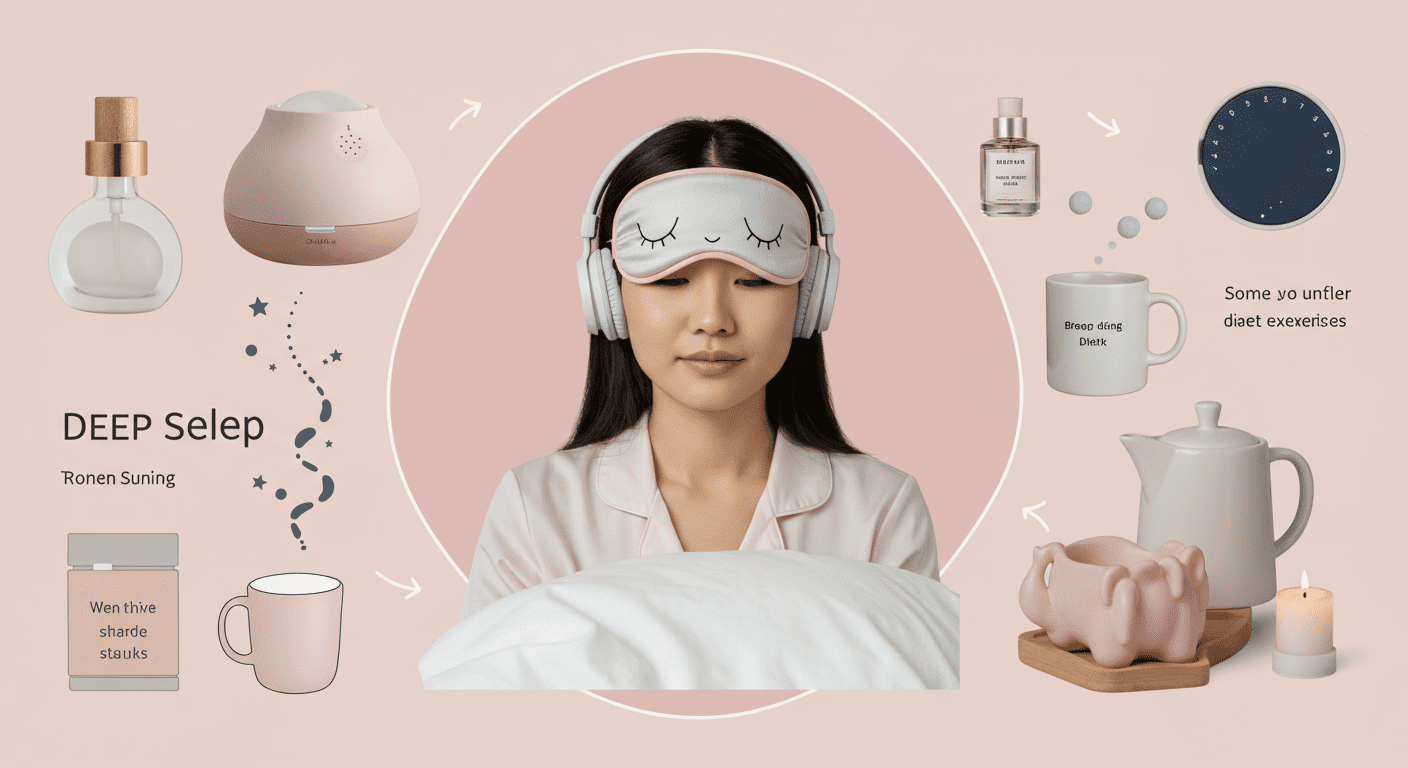
Think of improving your sleep like building a new healthy habit. You don’t have to do everything at once. Start with one or two tips that seem easiest for you and build from there. This is the core of your plan for how to improve sleep quality.
1. Build a Soothing Bedtime Routine (Wind Down)
Your body loves routine. A consistent routine before bed signals to your brain that it’s time to shift from “go mode” to “slow mode.”
- Power Down Electronics: The blue light from phones, tablets, and TVs tricks your brain into thinking it’s still daytime. This stops the production of melatonin, the hormone that makes you sleepy. Try this: Turn off all screens at least 60 minutes before bed. Read a physical book or magazine instead.
- Relax Your Mind: Do something calm and quiet.
- Take a warm bath or shower. The drop in your body temperature after getting out can make you feel sleepy.
- Try gentle stretching or yoga.
- Listen to calming music, a boring podcast, or an audiobook.
- Write in a journal. Jot down your thoughts from the day or a quick to-do list for tomorrow so your mind doesn’t race about it in bed.
- Keep It Consistent: Try to go to bed and wake up at the same time every day, even on weekends. This helps set your body’s internal clock (your circadian rhythm), making it easier to fall asleep and wake up naturally.
2. Make Your Bedroom a Sleep Sanctuary
Your bedroom environment has a huge impact on how to improve sleep quality.
- Keep It Dark: Darkness helps your body make melatonin. Use blackout curtains, an eye mask, and cover any bright lights from electronics.
- Keep It Cool: A slightly cool room (around 65°F or 18°C) is ideal for sleeping. Your body temperature naturally drops to initiate sleep, and a cool room helps with this process. (Sleep Foundation on Ideal Temperature)
- Keep It Quiet: Use earplugs, a white noise machine, or a fan to block out disturbing noises.
- Your Bed Is for Sleep (and Sex Only): Try not to work, eat, or watch TV in bed. You want your brain to strongly connect your bed with sleep and relaxation.
3. Watch What You Eat and Drink
What you put into your body during the day, especially in the evening, can make or break your sleep.
- Avoid Big Meals Late: Try to finish dinner a few hours before bed. A full stomach can cause discomfort and make it hard to fall asleep.
- Limit Caffeine and Nicotine: These are stimulants that can keep you awake. Avoid caffeine (in coffee, soda, tea, and chocolate) in the afternoon and evening. (CDC on Caffeine and Sleep)
- Go Easy on the Alcohol: While a drink might make you feel sleepy at first, it actually ruins the quality of your sleep later in the night, often causing you to wake up. (National Institute on Alcohol Abuse and Alcoholism)
- Don’t Go to Bed Hungry: A very small, healthy snack before bed is okay if you’re hungry. A banana, a small bowl of cereal, or a handful of almonds are good choices.
4. Move Your Body During the Day
Regular physical activity is one of the best ways to learn how to improve sleep quality.
- Why it works: Exercise helps you fall asleep faster and enjoy deeper sleep. It also reduces stress and anxiety, which are common causes of sleepless nights. (Mayo Clinic on Exercise and Sleep)
- A simple tip: Even a daily 30-minute walk can make a big difference. Just try to finish your workout at least 2-3 hours before bedtime, as exercising too late can be too energizing for some people.
5. Manage Stress and Worry
A racing mind is one of the biggest enemies of sleep.
- Practice Relaxation Techniques: Deep breathing exercises, meditation, or focusing on relaxing each muscle in your body can calm your mind. Many free apps can guide you through this. (NIH News in Health on Relaxation Techniques)
- Write It Down: If you can’t stop thinking about your to-do list, keep a notepad by your bed. Write everything down so you can let it go and deal with it in the morning.
What If I Can’t Fall Asleep?
It happens to everyone. If you’ve been lying in bed for more than 20 minutes and can’t sleep, don’t just lie there getting frustrated.
Get up and do something boring. Go to another room and read a dull book under soft light. Avoid screens. Do not check the time! Once you start feeling sleepy again, go back to bed. This prevents you from linking your bed with anxiety and frustration.
Frequently Asked Questions (FAQs)
Q: How many hours of sleep do I really need?
A: Most healthy adults need between 7 and 9 hours of sleep per night. Kids and teenagers need even more. The right amount is what allows you to wake up feeling refreshed and alert without an alarm clock. (National Heart, Lung, and Blood Institute)
Q: Is it bad to use my phone in bed?
A: Yes, it’s one of the most common sleep disruptors. The blue light tells your brain to stay awake, and scrolling through social media or emails can make your mind active and stressed. Charge your phone away from your bed to avoid the temptation.
Q: Are naps good for you?
A: Short naps (20-30 minutes) can be great for improving mood and alertness. But long naps or napping too late in the afternoon can make it harder to fall asleep at night. If you have trouble sleeping at night, try skipping the nap.
Q: Should I see a doctor about my sleep?
A: Yes, if you have tried improving your sleep habits for a few weeks and still:
- Often have trouble falling or staying asleep.
- Snore very loudly or gasp for air during sleep (this could be sleep apnea).
- Still feel extremely tired during the day.
It’s important to talk to a doctor to rule out any medical sleep disorders.
Q: Do sleep trackers (like Fitbit or Oura Ring) help?
A: They can be useful tools to spot patterns, like how your exercise or caffeine intake affects your sleep. However, don’t become obsessed with the data. How you feel when you wake up is the most important measure of a good night’s sleep.
The Bottom Line: Your Sleep Matters
Improving your sleep is one of the most powerful things you can do for your health, mood, and energy. You don’t have to be perfect. Start with small changes, like turning off your TV 30 minutes earlier or going to bed 15 minutes sooner. Be patient and consistent. Your body will thank you with peaceful, restful nights and energetic, healthy days.
Sweet dreams!
Author’s Note: This article is written based on established guidelines from leading health authorities. It is designed for educational purposes to promote general wellness. It is not a substitute for professional medical advice. If you have ongoing sleep problems, please consult with a healthcare provider.
