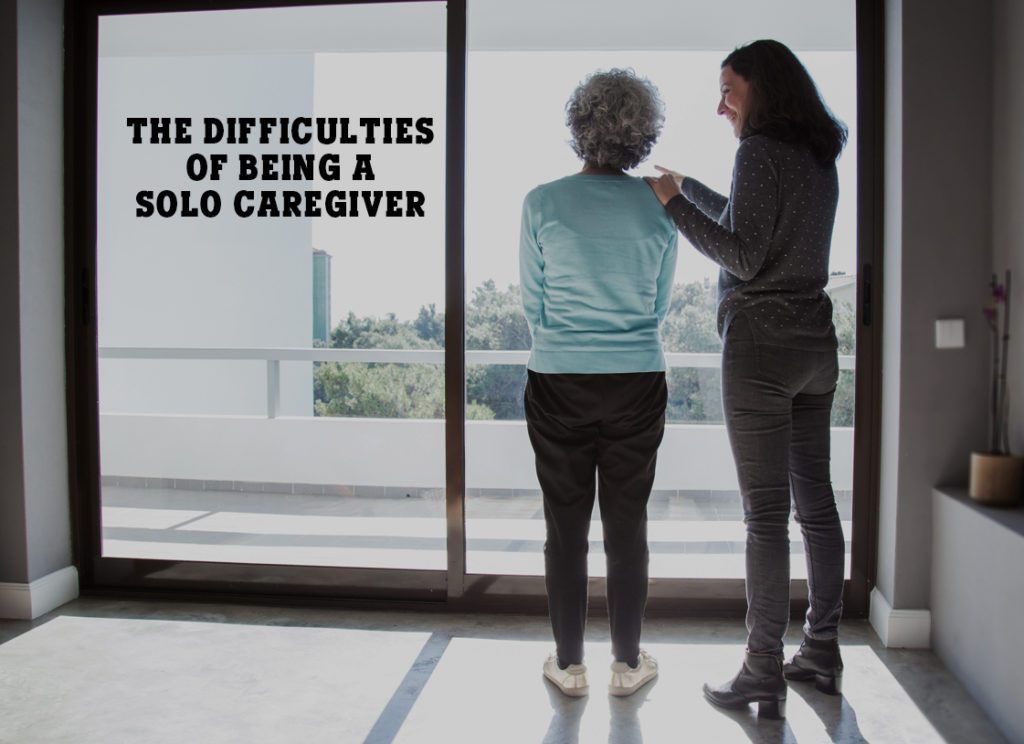
The Difficulties of Being a Solo Caregiver
Caregiving can be a tough and demanding job. As a caregiver, you need to make sure that you do all of your tasks with diligence and compassion for your patient or care receiver. The work of a caregiver is not as simple as being there for a sick or elderly person (although presence is vital in caregiving). Instead, being a caregiver requires you to do a wide range of tasks, which can sometimes test both your ability and patience.
The demands of caregiving become much more difficult to fulfill for solo caregivers. If you are a solo caregiver for a loved one, an elderly family member, a sick or disabled person, or an incapable child, then you must expect your job to be heavier and more strenuous since all of the tasks of caregiving are delegated to no one but you. To learn more about the difficulties of being a solo caregiver, below are some of the challenges that solo caregivers commonly encounter.
Anxiety
Anxiety can happen when the attention of a solo caregiver is focused too much on the tasks at hand. When you are a solo caregiver, you tend to feel so much more pressure when it comes to undertaking your responsibility. Of course, you would not want to mess things up. You want to make your care receiver feel as comfortable and convenient as possible.
However, since there are so many things that you need to accomplish on your own as a solo caregiver, the pressure can sometimes get into your head. As a result, you tend to become anxious. Anxiety is common in jobs where expectations are often high. Although caregiving is not as competitive as corporate jobs, caregivers, especially solo caregivers, are still commonly subjected to a great amount of expectations and demands because the very essence of caregiving is a matter of life.
Financial Tightness
Caregiving also involves money matters. Sometimes, solo caregivers may experience financial tightness, especially when they do not have other jobs aside from caregiving, and they are not receiving any monetary support from others. Because caregiving is such a demanding responsibility in itself, solo caregivers may sometimes be forced to commit their full time, attention, and energy to it, regardless of whether or not it serves them financially. So, as a solo caregiver, you must expect financial challenges along the way, unless you are being financially supported by other people or have a stable part-time job.
Less time for Socializing
Socializing is natural among people. You, as a person, have a natural tendency to want to talk to people, hang out with them, and be friends with them. However, your duties as a solo caregiver may sometimes prevent you from doing all of these.
Solo caregivers generally have less time for socializing because their plates are often full and their presence is commonly needed by their care recipients almost every hour of every day. The undivided time and attention of solo caregivers are often necessary, especially when their care recipients are highly incapable. Even so, this does not necessarily mean that you should sever your ties from your friends. At the end of the day, you are not just a solo caregiver, you are a person with social needs.
Emotional and Physical Stress
Solo caregiving usually demands a lot from you. As previously mentioned, you are expected, as a solo caregiver, to do a wide variety of tasks, including home management, meal preparation, financial management, grocery shopping, medical monitoring, and more. It is also your duty to assist your care recipient with the activities of daily living (ADLs) such as eating, bathing, toileting, and more. All of these things certainly require you to exert a great amount of physical, mental, and emotional strength.
In your pursuit to providing your care recipient with the best quality of care, you may sometimes feel the need to sacrifice your own well-being. This is not proper, however. A common difficulty that solo caregivers encounter is the lack of self-care. Being too dedicated to your job to the extent of forgetting to take care of yourself can only lead to both physical and emotional stress. As a result, you may suffer from fatigue, exhaustion, anxiety, depression, and more.
Overall, if you are a solo caregiver for a loved one, a elderly family member, a sick or disabled person, or an incapable child, then you are expected to do twice as much as what is being asked of other caregivers. You are also more prone to experiencing various difficulties in fully carrying out your duty. Indeed, sometimes, the demands of being a solo caregiver can become too overwhelming. Nonetheless, this should not discourage you from being committed to your responsibility as a solo caregiver. Caregiving, in general, is a noble thing to do. Yes, it can be hard, but at the same, it can be so much fulfilling.
FAQ: Your Top Questions About a Caregiving Career Answered
1. What does a typical day look like for a caregiver?
While every day is different, the article describes the work environment as home-like and flexible. Your day would likely involve light house chores, such as cooking and cleaning, and spending quality time with residents. A key and enjoyable part of the job can include relaxing activities like reading books to your residents to keep them engaged and provide companionship.
2. What are the most important personality traits for a caregiver?
The article emphasizes three core traits for success in this field:
Selflessness: You must prioritize your resident’s needs and well-being above your own.
Empathy: Deep compassion allows you to connect with and understand what your residents are experiencing.
Tolerance: It’s crucial to have a high capacity for patience and understanding, especially when residents display challenging behaviors due to aging, without taking it personally.
3. Is caregiving a good job for someone who wants to work from home?
Yes, the article suggests caregiving is an excellent choice for those who prefer a home-like work environment. The job is not based in a traditional office; instead, you work within a comfortable home setting. This setup offers a degree of flexibility and a more relaxed atmosphere compared to many other careers.
4. How does caregiving allow me to make a real difference?
Caregiving provides a profound sense of purpose. The article explains that you become a “hero” to your residents and their families by creating deep, personal relationships. Your presence significantly enhances their quality of life, combats feelings of isolation and loneliness that are common in the elderly, and provides them with a sense of connection and care beyond just their healthcare needs.
5. What can I learn from being a caregiver?
The job offers unique life lessons. By spending time with elderly individuals, you gain access to a wealth of life experience and stories. The article highlights that this is a “never-ending learning process” where you can learn from their experiences, apply their wisdom to your own life, and avoid making similar mistakes.
6. Where can I find more detailed information and preparation for this career?
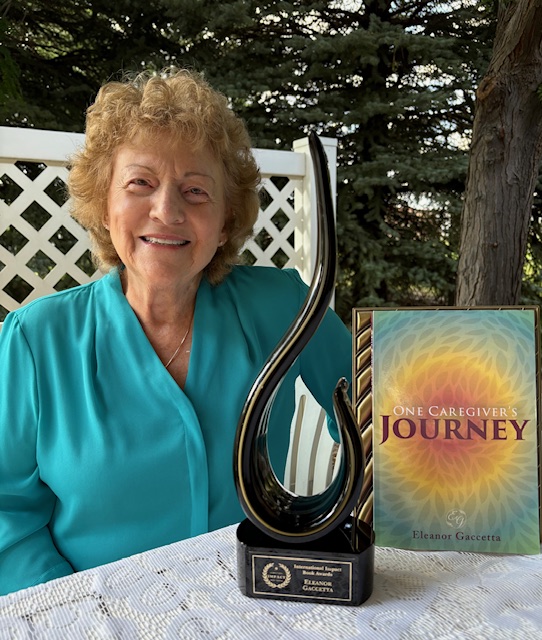
For a more in-depth understanding, the article highly recommends the memoir One Caregiver’s Journey by Eleanor Gaceta. This book provides a personal, firsthand look at the realities of caregiving and offers essential prerequisites to help you prepare for the path. The article also suggests exploring related content like “Top Side Hustles for Caregivers” for additional ways to use your skills