


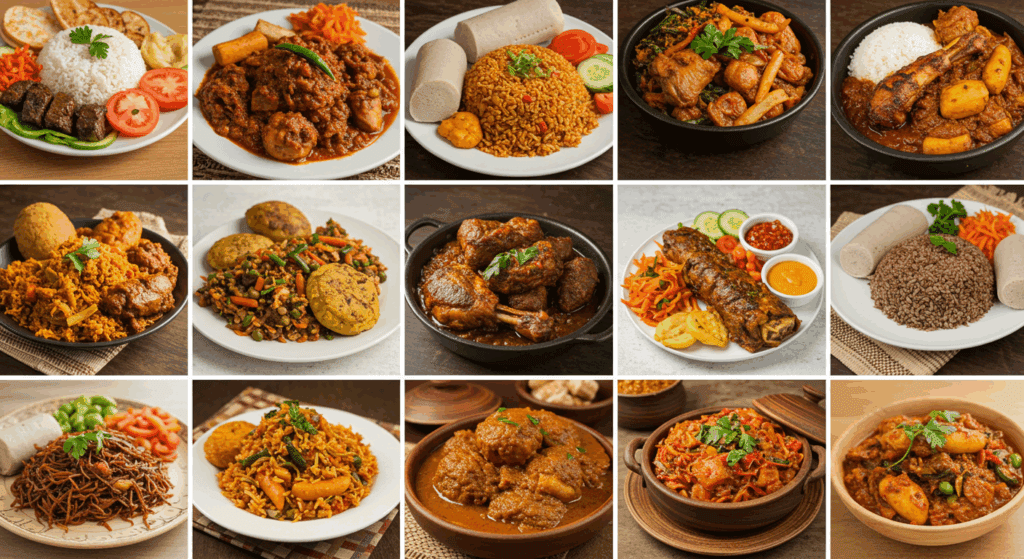
Have you ever wanted to try food from Africa but didn’t know where to start? Maybe you’ve heard names like Jollof or Tagine and wondered what they are. You’re not alone! African food is full of amazing flavors, but it can seem like a mystery.This article is your friendly guide. We will take a tasty tour across the continent to discover the 20 most popular and beloved African foods. We’ll explain what each dish is, where it’s from, and why people love it so much. Our goal is to make this easy to understand for everyone, whether you’re a cooking newbie or a food expert.
Get ready to explore the wonderful world of African cuisine!
Why African Food is So Special
African food is not just one thing. Africa is a huge continent with 54 countries! Each region has its own cultures, traditions, and ingredients. This means the food is incredibly diverse.
However, many popular dishes share some common ideas:
- Community: Food is often shared from one big plate, bringing family and friends together.
- Flavor: Cooks use special spice mixes, herbs, and slow cooking to create deep, rich flavors.
- Good Ingredients: Many dishes are built around fresh vegetables, grains, and lean proteins.
Now, let’s dig into the list!
Most Popular African Dishes
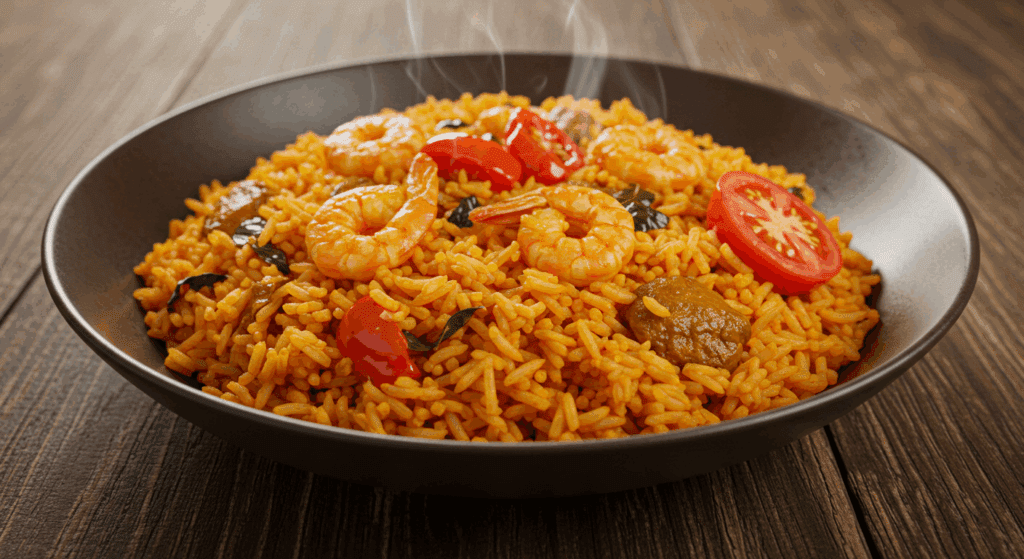
Jollof Rice (West Africa)
What it is: This is perhaps the most famous African dish! It’s a one-pot rice dish cooked in a rich tomato and pepper sauce. It’s often bright red or orange.
Where it’s from: Nigeria, Ghana, Senegal, and other West African countries. (There’s a friendly rivalry over whose Jollof is best!).
Why it’s popular: It’s flavorful, colorful, and a must-have at any party. It’s usually served with chicken, beef, or fried plantains.
- Process: This is a one-pot rice dish.
- Blend tomatoes, red bell peppers, onions, and chili (if you like spice) into a smooth paste.
- In a large pot, heat some oil and sauté sliced onions.
- Add the tomato-pepper puree and cook until the mixture thickens and the oil rises to the top.
- Add your spices: thyme, curry powder, a stock cube, and bay leaf.
- Pour in your rinsed rice and stir to coat it in the sauce.
- Add chicken or vegetable stock (instead of plain water) for extra flavor.
- Cover the pot with foil and then the lid to trap the steam. Cook on low heat until the rice is tender.
- Serve with fried plantains or chicken.
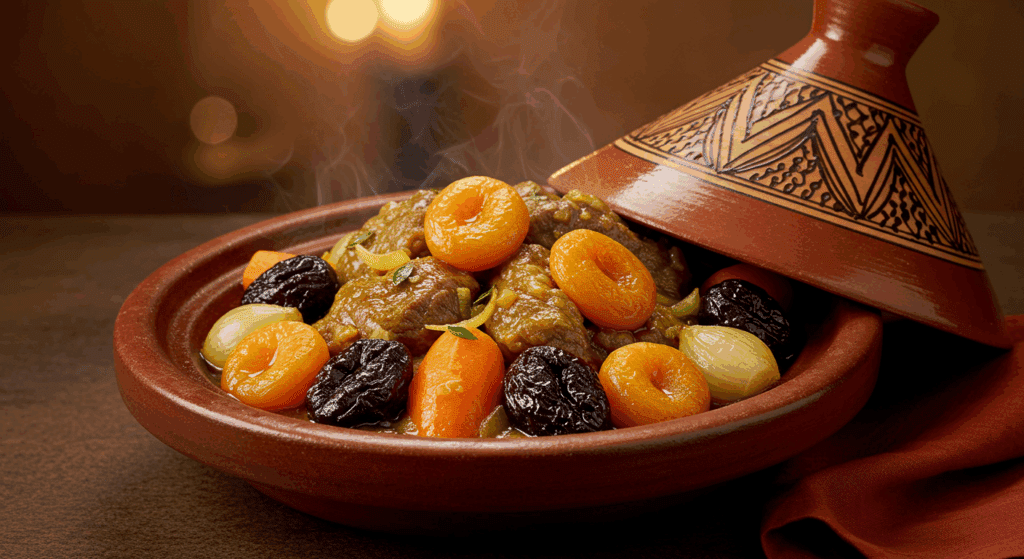
Tagine (North Africa)
What it is: Named after the special clay pot it’s cooked in, Tagine is a slow-cooked stew. It can be made with chicken, lamb, beef, or even fish.
Where it’s from: Morocco, Algeria, Tunisia.
Why it’s popular: The slow cooking makes the meat incredibly tender and the flavors mix together perfectly. It often includes dried fruits like apricots and sweet spices like cinnamon.
- Process: A slow-cooked stew, named after the pot.
- In a tagine pot or a heavy-bottomed pot, heat some oil.
- Brown your choice of meat (chicken or lamb) on all sides, then remove.
- In the same pot, cook onions and garlic until soft.
- Add spices like ginger, turmeric, cinnamon, and saffron, and cook for one minute.
- Return the meat to the pot. Add water or stock, chopped vegetables (like carrots and potatoes), and dried fruits (like apricots or raisins).
- Cover and simmer on very low heat for 1.5-2 hours, until the meat is fall-off-the-bone tender.
- Serve directly from the tagine pot with couscous.
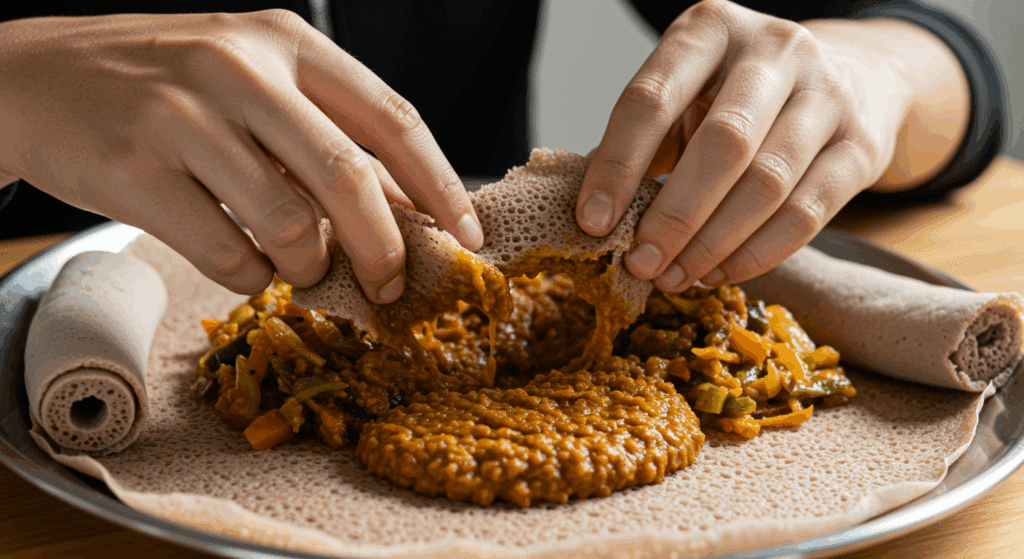
Injera with Wat (East Africa)
What it is: This is a two-part meal. Injera is a soft, spongy, flatbread with a slightly sour taste. Wat is a thick, spicy stew, often made with chicken, beef, lentils, or vegetables.
Where it’s from: Ethiopia and Eritrea.
Why it’s popular: You eat with your hands! You tear off a piece of injera and use it to scoop up the wat. It’s a fun, social, and delicious way to eat.
- Process: A two-part process: making the flatbread and the stew.
- For Injera:
- Teff flour is mixed with water and left to ferment for 2-3 days, which gives it a sour taste.
- The batter is then poured onto a large, hot clay plate (mitad) in a spiral motion and cooked without flipping. It’s only cooked on one side, creating a smooth top and a spongy bottom with holes.
- For Wat (Stew):
- Cook lots of chopped onions down until they are soft and golden.
- Add berbere spice (a key ingredient) and oil to make a paste.
- Add meat (like beef or chicken) or lentils and water. Simmer until the meat is very tender.
- Stir in seasoned butter (niter kibbeh) at the end.
- For Injera:
Couscous (North Africa)
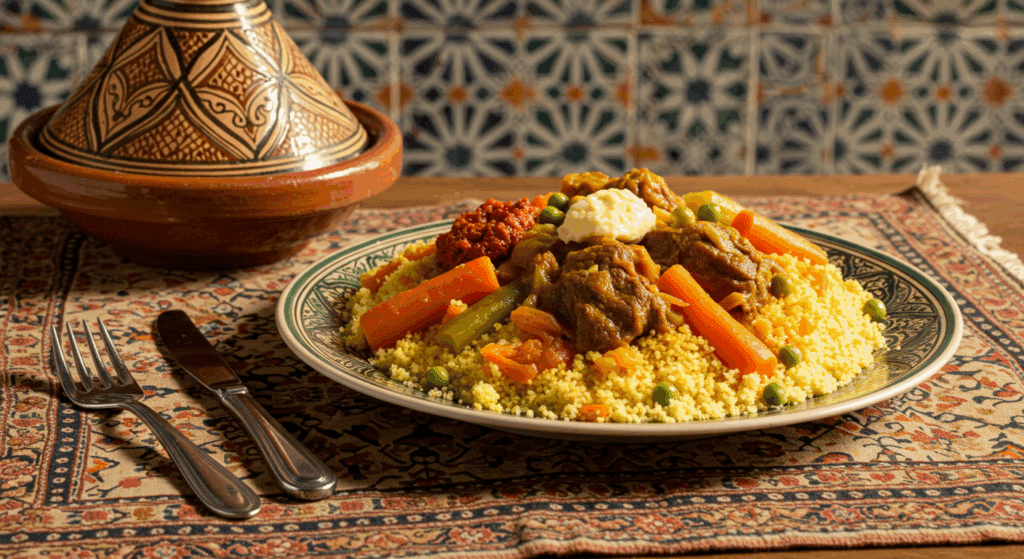
What it is: Couscous looks like tiny grains of pasta, but it’s actually made from steamed semolina wheat. It’s incredibly light and fluffy.
Where it’s from: A staple across North Africa, especially in Morocco, Algeria, and Tunisia.
Why it’s popular: It’s very versatile. It can be served under a stew, mixed with vegetables and raisins, or even eaten as a sweet breakfast.
- Process: The key is steaming, not boiling.
- Traditional couscous is steamed in a special pot called a couscoussier.
- The couscous grains are placed in the top pot, and a stew cooks in the bottom pot. The steam from the stew rises up to cook the grains, making them light and fluffy while infusing them with flavor.
- Most people today use “instant” couscous, which is pre-steamed and dried. For this, you simply place it in a bowl, pour an equal amount of boiling water or stock over it, cover it, and let it sit for 5-10 minutes until all the liquid is absorbed. Then, you fluff it with a fork.
Piri Piri Chicken (Southern Africa)
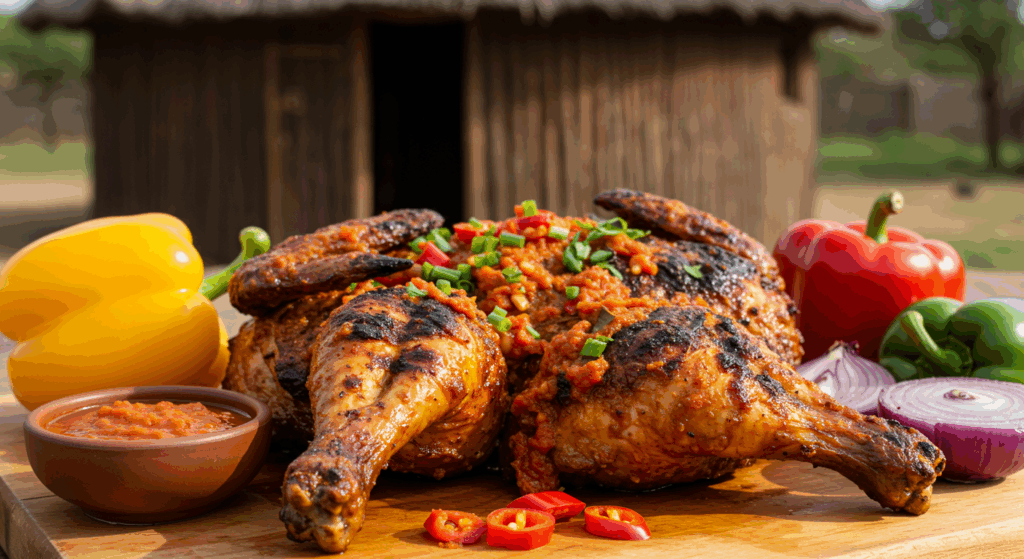
What it is: Grilled chicken covered in a spicy, lemony sauce made from piri piri (also known as peri-peri) chili peppers.
Where it’s from: Originally from Portugal but made famous in Mozambique and Angola. It’s now popular in South Africa and Namibia too.
Why it’s popular: It’s the perfect combo of spicy, tangy, and smoky from the grill. The famous restaurant Nando’s helped make this dish a global star.
- Process: Grilling with a spicy marinade.
- Make the marinade: blend piri piri chilies, garlic, lemon juice, olive oil, paprika, and a little salt.
- Make deep cuts in chicken pieces (legs or thighs work best) and rub the marinade all over, making sure to get it into the cuts.
- Let the chicken marinate for at least 4 hours, or ideally overnight.
- Grill the chicken over medium-hot coals, basting with any leftover marinade, until the skin is crispy and the inside is fully cooked.
Egusi Soup (West Africa)
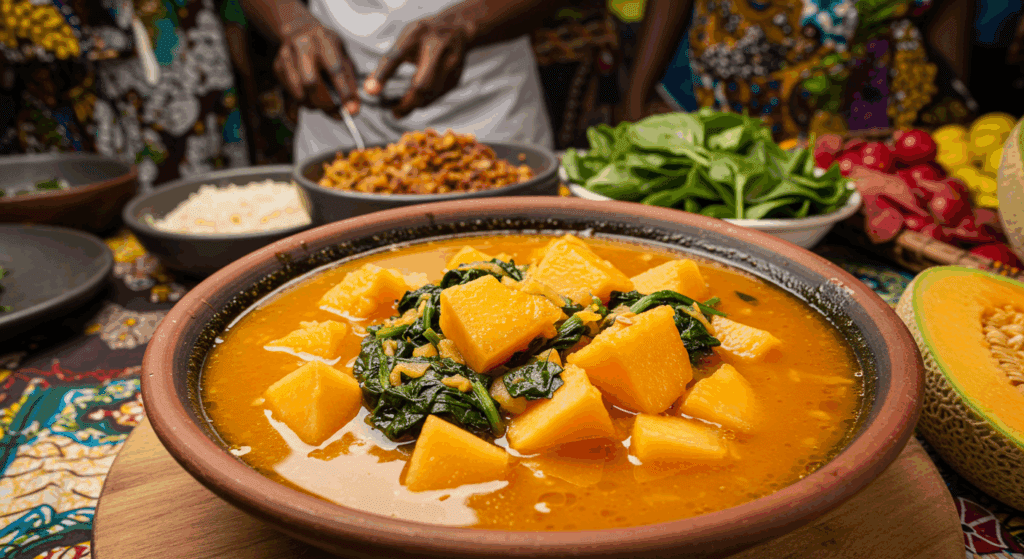
What it is: A thick, hearty soup made from ground melon seeds (egusi). It’s packed with leafy vegetables and meat or fish.
Where it’s from: Nigeria, and enjoyed across West Africa.
Why it’s popular: It’s nutritious, filling, and has a unique, nutty flavor. It’s almost always eaten with a swallow (like Fufu).
- Process: A thick, hearty soup.
- In a pot, heat palm oil and sauté onions.
- Add ground egusi (melon) seeds and stir constantly for a few minutes to avoid burning.
- Add your stock or water and let it come to a boil.
- Add your meat (like beef) or fish and let it cook.
- Add leafy vegetables like spinach or bitterleaf and let them wilt into the soup.
- The soup is ready when it is thick and the egusi has fully cooked through. Serve with fufu.
7. Bobotie (Southern Africa)
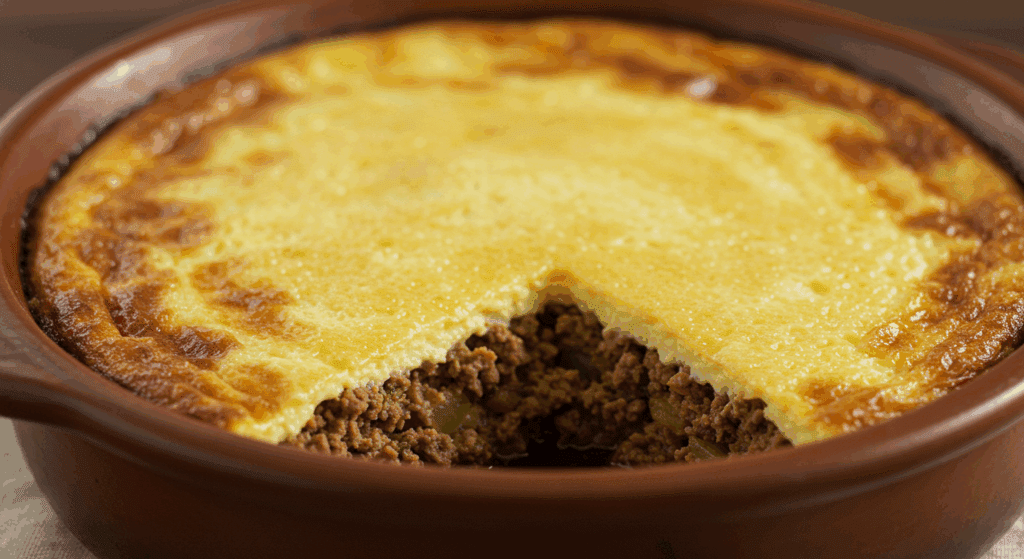
What it is: Think of it as Africa’s version of meatloaf! It’s a baked dish made with spiced minced meat (usually lamb or beef) with an egg custard topping.
Where it’s from: South Africa.
Why it’s popular: The flavors are a mix of sweet and savory, thanks to ingredients like apricot jam and curry powder. It’s a comfort food classic.
- Process: A baked minced meat dish.
- Sauté onions until soft. Add your curry powder and cook for one more minute.
- Add your minced beef or lamb and brown it.
- Stir in flavorings: chutney, raisins, vinegar, and almonds.
- Place this meat mixture into a baking dish.
- Whisk together milk and eggs, then pour this over the meat.
- Bake in the oven until the egg custard topping is set and golden brown.
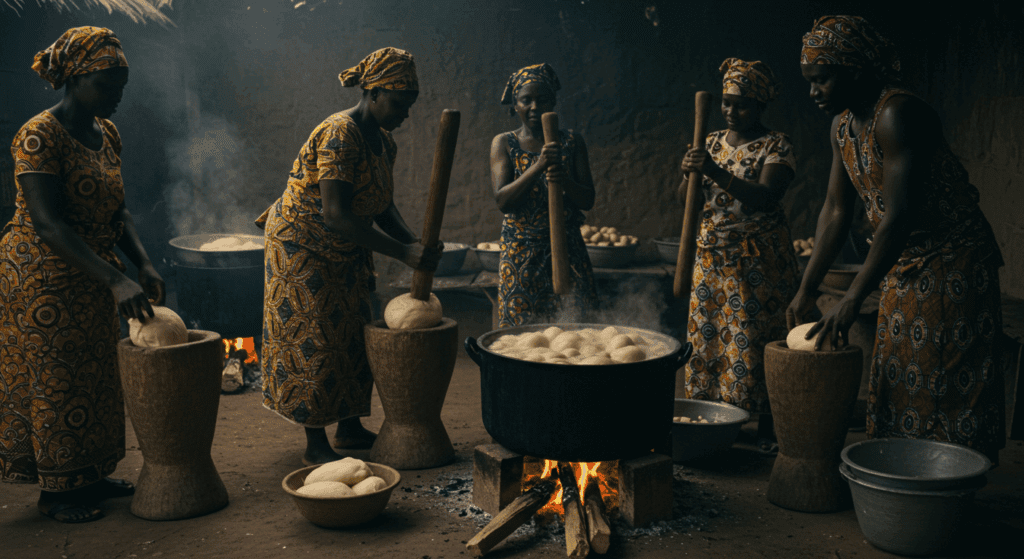
Fufu (West & Central Africa)
What it is: Fufu is a staple “swallow” food. It’s a thick, dough-like paste made by boiling and pounding starchy foods like cassava, yams, or plantains.
Where it’s from: Nigeria, Ghana, Cameroon, and many other countries.
Why it’s popular: You don’t eat fufu by itself. You pinch off a small ball, make an indentation with your thumb, and use it to scoop up soup or stew. It’s the ultimate utensil!
- Process: Boiling and pounding.
- Peel and cut starchy vegetables like cassava, yams, or plantains.
- Boil them in water until they are very soft.
- Drain the water and transfer them to a large mortar.
- Pound them with a pestle until the mixture becomes a smooth, stretchy, and lump-free dough. This takes a lot of energy!
- Today, many people use “fufu flour” which is mixed with hot water and stirred vigorously on the stove until it forms a smooth dough.

9. Braai (Southern Africa)
What it is: More than just a barbecue, a braai is a major social event. It involves grilling various meats like boerewors (farm sausage), steaks, and lamb chops over wood or charcoal.
Where it’s from: South Africa, Namibia, Zimbabwe.
Why it’s popular: It’s about the whole experience—friends, family, fire, and fantastic food. It’s a huge part of the culture.
- Process: Social grilling.
- The main difference from a regular BBQ is the use of wood or charcoal, not gas, for a smokier flavor.
- The fire is built and allowed to burn down to hot coals.
- Meats like boerewors (a coiled sausage), steaks, and lamb chops are seasoned simply with salt and pepper and grilled slowly over the coals.
- It’s always served with side dishes like a maize porridge (pap) and a spicy tomato-and-onion relish (chakalaka).
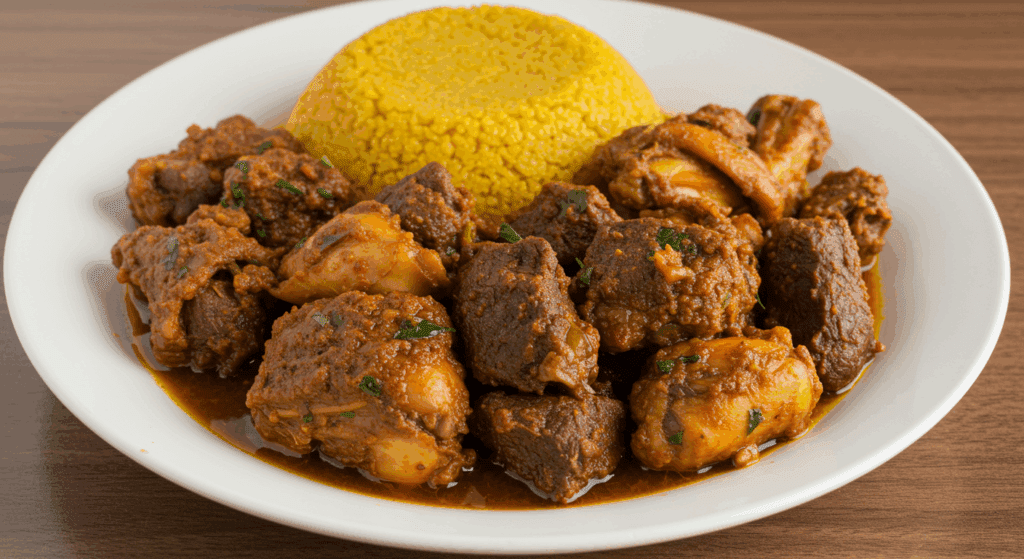
Maafe (West Africa)
What it is: A rich and creamy peanut stew. It’s loaded with meat (chicken or beef) and vegetables like sweet potatoes and okra.
Where it’s from: Senegal, Mali, Gambia, and across West Africa.
Why it’s popular: The peanut sauce is creamy, savory, and slightly sweet. It’s a comforting and satisfying meal, usually served with rice.
- Process: A peanut stew.
- Brown your meat (chicken or beef) in a pot, then remove.
- In the same pot, cook onions, garlic, and tomato paste.
- Add water or stock and bring to a simmer.
- Add peanut butter and whisk until it dissolves completely into the liquid, creating a smooth sauce.
- Return the meat to the pot and add vegetables like sweet potatoes, carrots, and cabbage.
- Simmer until the vegetables are tender and the meat is cooked through. Serve with rice.
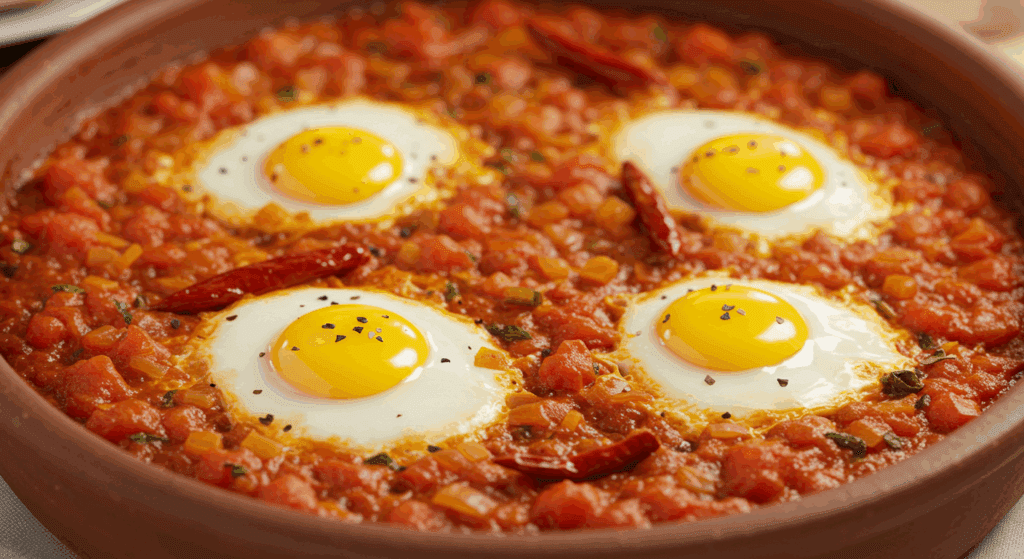
Shakshuka (North Africa)
What it is: A simple but stunning dish of eggs poached in a simmering sauce of tomatoes, chili peppers, onions, and spices.
Where it’s from: Tunisia, and popular across North Africa and the Middle East.
Why it’s popular: It’s delicious, healthy, and perfect for any meal—breakfast, lunch, or dinner. You dip bread right into the pan!
- Process: Eggs poached in sauce.
- In a skillet, sauté onions and bell peppers until soft.
- Add garlic, cumin, and paprika, and cook for one minute.
- Add canned crushed tomatoes and simmer for 10-15 minutes until the sauce thickens.
- Make small wells in the sauce and crack eggs directly into them.
- Cover the skillet and let the eggs cook until the whites are set but the yolks are still runny.
- Garnish with fresh cilantro or parsley and serve with crusty bread.
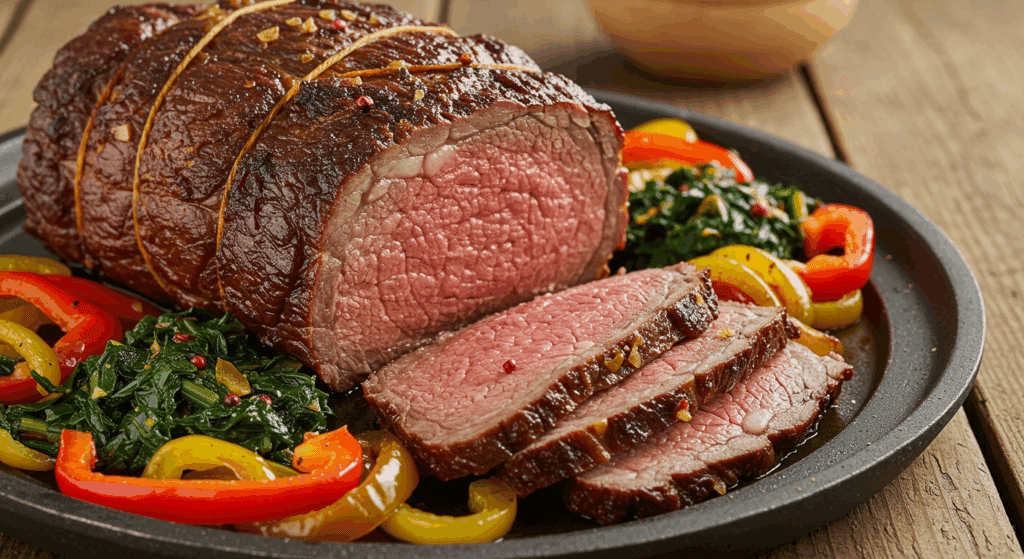
Nyama Choma (East Africa)
What it is: The simple art of grilled meat. Nyama Choma means “grilled meat” in Swahili. Goat meat is the most popular choice, but beef and chicken are also common.
Where it’s from: Kenya, Tanzania.
Why it’s popular: It’s often enjoyed with a cold drink and friends. The meat is seasoned with just salt and maybe a little chili, letting the smoky grilled flavor shine.
- Process: Simple grilled meat.
- The best cuts of goat meat or beef are chosen.
- The meat is often marinated simply in lemon juice, salt, and maybe a little chili powder.
- It is then grilled slowly over a charcoal fire until the outside is charred and crispy and the inside is tender.
- It’s served with a side of kachumbari (a fresh tomato and onion salad) and eaten with your hands.
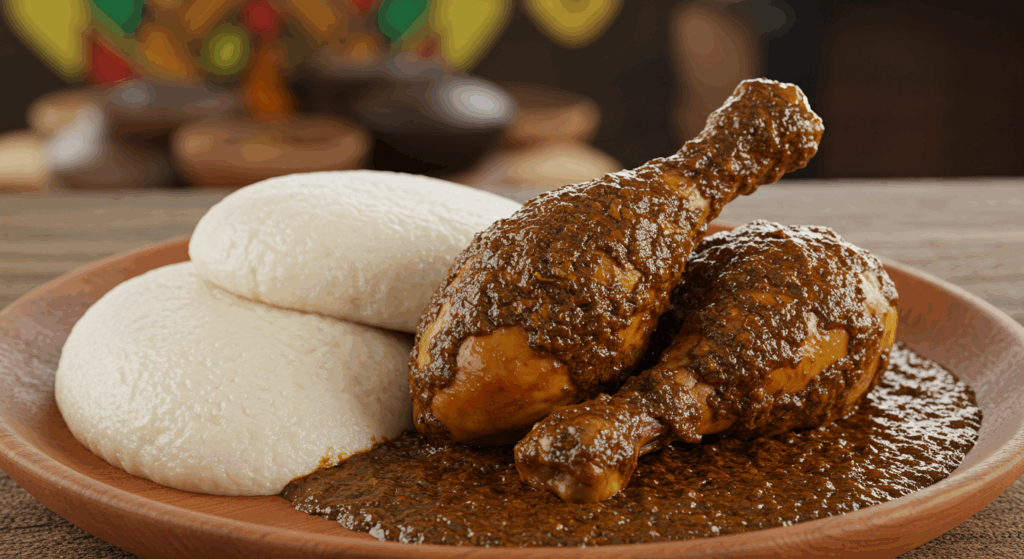
Moambe Chicken (Central Africa)
What it is: Also known as Poulet Moambe, this is a national dish. It’s chicken simmered in a rich, red sauce made from the fruit of the African oil palm tree.
Where it’s from: Democratic Republic of Congo, Republic of Congo, Angola.
Why it’s popular: The sauce is uniquely rich, smooth, and flavorful. It’s a true taste of Central Africa.
- Process: Chicken in palm fruit sauce.
- Chicken is first browned in a pot and then removed.
- Onions are cooked in the same pot until soft.
- The key ingredient, moambe or palm fruit pulp, is added along with water.
- The chicken is returned to the pot and simmered in the sauce until it is very tender and the sauce has thickened and turned a deep red color.
- It is often served with rice and fufu.
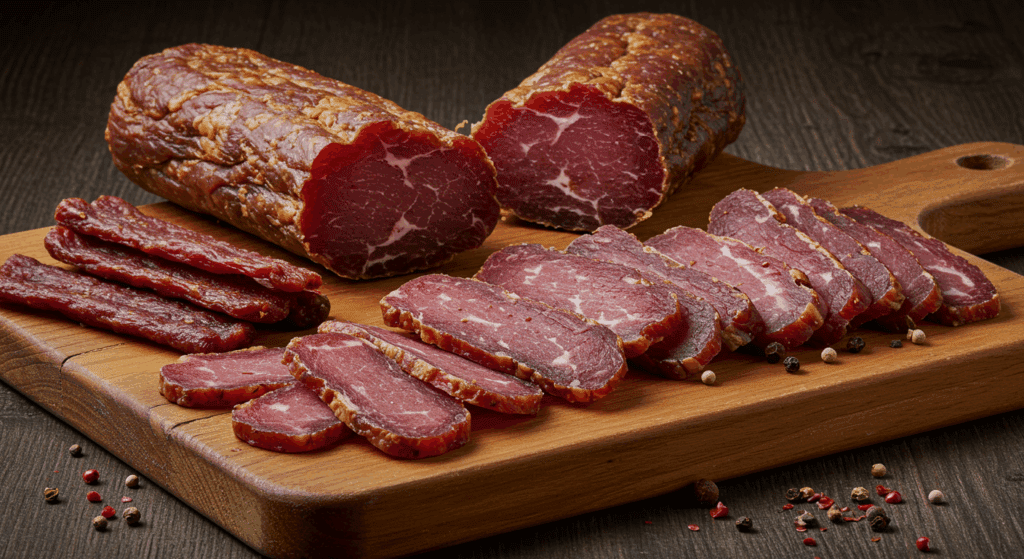
Biltong (Southern Africa)
What it is: A dried, cured meat snack. It’s similar to beef jerky but is usually air-dried and not smoked, and it’s often cut into thicker strips.
Where it’s from: South Africa, Namibia, Zimbabwe.
Why it’s popular: It’s a high-protein, tasty snack that you can take anywhere. It comes in many types of meat, including beef and game.
- Process: Air-drying meat.
- Strips of raw meat (like beef or game) are cut against the grain.
- The strips are marinated in a mixture of vinegar, salt, coriander, and black pepper for a few hours.
- The meat is hung up to air-dry in a well-ventilated area for several days. It is not smoked.
- The process removes the moisture, preserving the meat and concentrating its flavor.
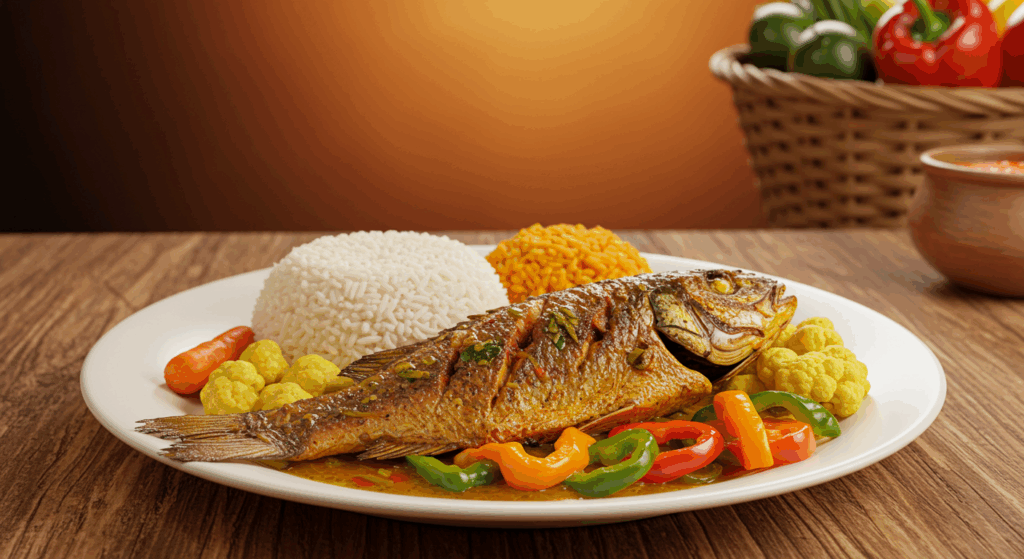
Thieboudienne (West Africa)
What it is: A famous dish from Senegal. It’s a flavorful combination of fish, rice, and vegetables, all cooked in a tomato-based sauce.
Where it’s from: Senegal (it’s considered the national dish).
Why it’s popular: It’s a complete, balanced, and incredibly flavorful meal in one pot. The fish and vegetables make the rice taste amazing.
- Process: A one-pot fish and rice dish.
- A whole fish (like grouper or sea bass) is stuffed with herbs and fried, then set aside.
- A tomato-based sauce is made with fish stock and vegetables like cabbage, carrots, and eggplant.
- Rice is added to this flavorful sauce to cook.
- The fish and vegetables are placed on top of the rice to steam for the final part of the cooking process.
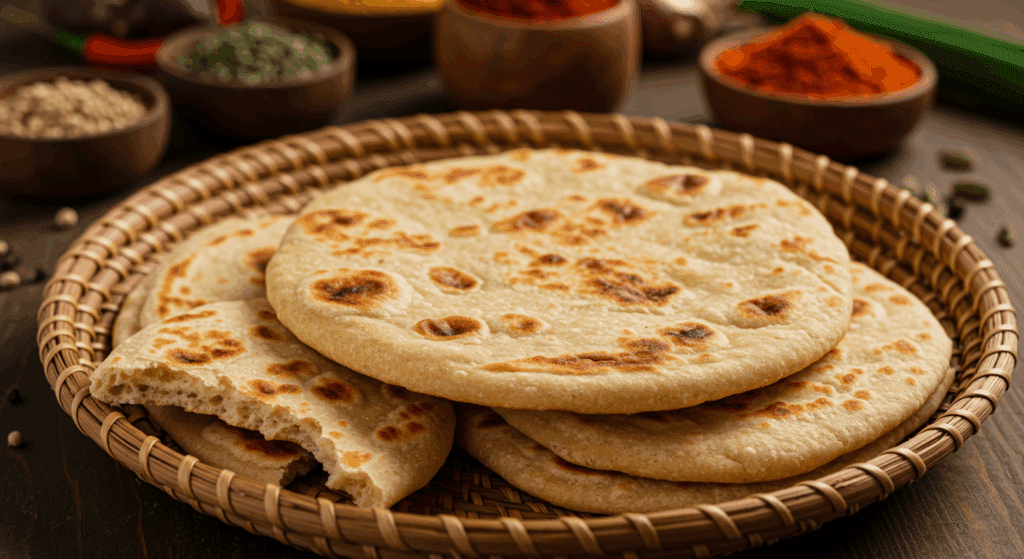
Chapati (East Africa)
What it is: A soft, thin, unleavened flatbread. It’s similar to a tortilla or Indian roti.
Where it’s from: Brought to East Africa by Indian immigrants, it’s now a staple in Kenya, Tanzania, and Uganda.
Why it’s popular: It’s the perfect tool for scooping up curries, stews, and vegetables. It’s cheap, delicious, and everyone loves it.
- Process: Making flatbreads.
- A simple dough is made from wheat flour, water, salt, and a little oil.
- The dough is kneaded until soft and then left to rest.
- Small balls of dough are rolled out into very thin circles.
- Each circle is cooked on a hot, dry griddle or skillet until bubbles form, then it is flipped and brushed with oil or ghee until golden brown on both sides.
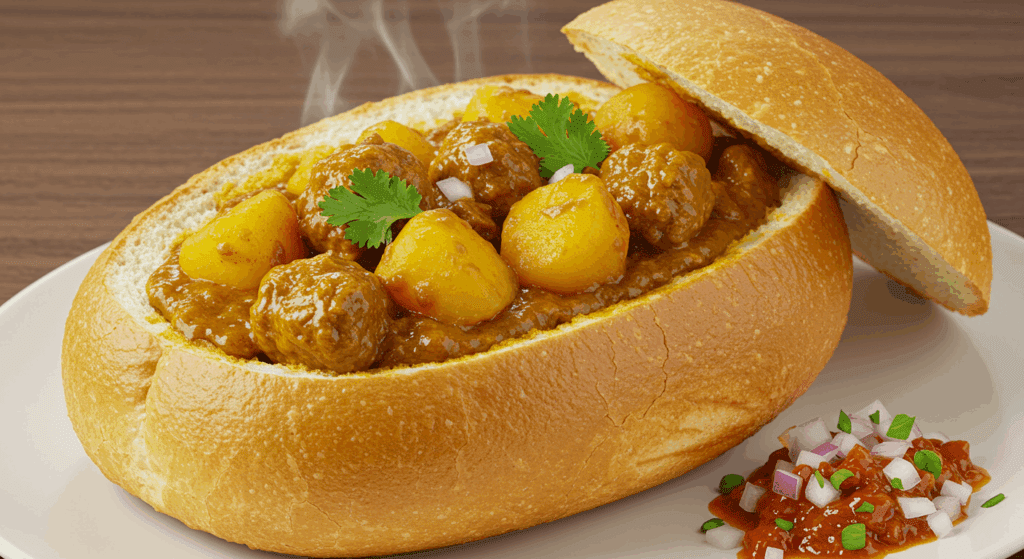
Bunny Chow (Southern Africa)
What it is: A hollowed-out loaf of bread filled with a spicy curry (usually bean or meat). You eat the curry-soaked bread after you finish the filling!
Where it’s from: Durban, South Africa.
Why it’s popular: It’s fun, portable, and incredibly satisfying. It was created as a convenient lunch for workers and became a national treasure.
- Process: A bread bowl curry.
- A hollowed-out loaf of white bread is the “bowl.”
- A spicy, flavorful curry is made separately. This is often a Durban-style curry with beans (for a vegetarian version) or meat like mutton or chicken.
- The hot curry is poured directly into the hollowed-out bread bowl.
- The top of the bread that was cut out is often placed back on top like a lid.
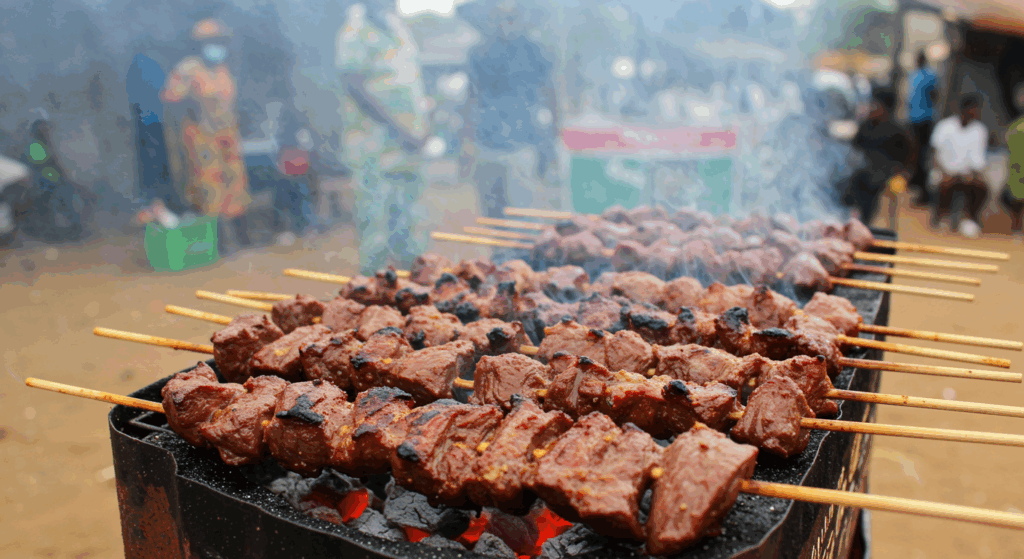
Suya (West Africa)
What it is: Thinly sliced skewered meat (usually beef or chicken) that is coated in a spicy peanut and spice mix called yaji and then grilled.
Where it’s from: Nigeria, and popular in Ghana and Cameroon.
Why it’s popular: It’s the ultimate street food. The spicy, nutty, smoky flavor is irresistible. It’s often sold by street vendors in the evenings.
- Process: Spicy skewered meat.
- Thin slices of meat (beef, chicken) are skewered.
- They are coated in yaji (a dry spice mix made from ground peanuts, chili pepper, ginger, and paprika).
- The skewers are grilled over an open flame until the meat is cooked and the spice coating is slightly darkened and fragrant.
- They are often served with extra spice mix and sliced onions and tomatoes.

Mandazi (East Africa)
What it is: Sometimes called “African donuts,” these are sweet, fried dough triangles. They are lightly spiced with cardamom or cinnamon.
Where it’s from: Coastal East Africa—Kenya, Tanzania.
Why it’s popular: They are a perfect sweet treat for breakfast or with evening tea. They are not too sweet and are light and fluffy.
- Process: Frying sweet dough.
- A dough is made from flour, sugar, coconut milk, and a little cardamom or cinnamon.
- The dough is kneaded, left to rise slightly, and then rolled out.
- It is cut into triangles or circles.
- The pieces are deep-fried in oil until they puff up and turn golden brown on both sides.
- They are drained and dusted with sugar.
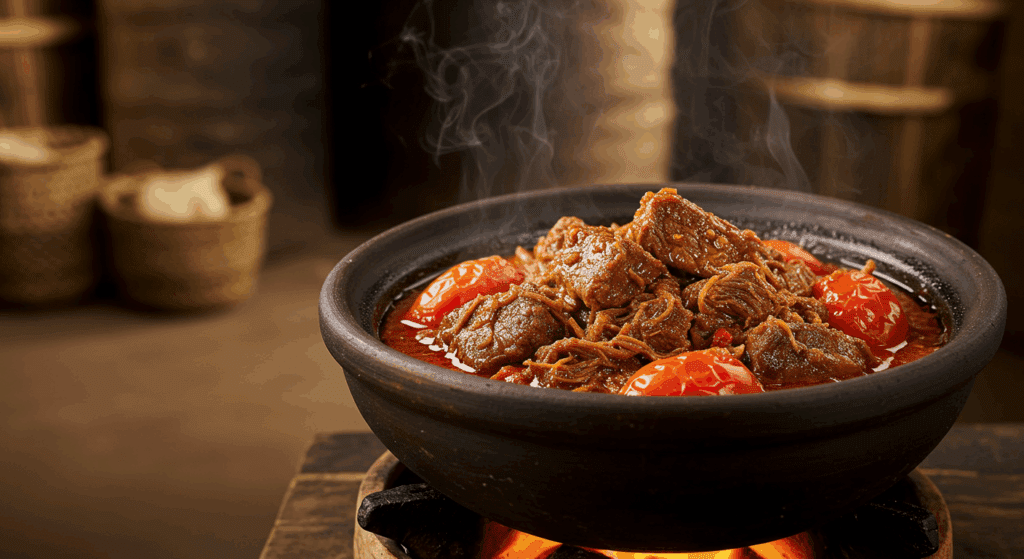
Zigni (East Africa)
What it is: A fiery hot stew made with shredded beef, tomatoes, and a lot of berbere spice mix. It has a deep, complex heat.
Where it’s from: Eritrea and Ethiopia.
Why it’s popular: For those who love spice, this is the dish. It’s packed with flavor and is incredibly hearty. It’s always eaten with injera.
- Process: A spicy beef stew.
- Onions are cooked down for a long time until they are almost melted.
- Berbere spice is added to the onions to form a thick, red paste.
- Tough cuts of beef are added to this paste along with a little water or tomato puree.
- The stew is simmered for a long time (1-2 hours) until the beef is extremely tender and shreds easily and the sauce is thick. Visit her book Generations of Good Food
Frequently Asked Questions (FAQs)
Q: Is African food very spicy?
A: Not always! While some dishes are famously spicy (like Piri Piri Chicken or Suya), many are mild and focus on herbs and aromatics. You can often adjust the spice level to your taste.
Q: What is a common ingredient in African cooking?
A: It varies by region! In West Africa, you’ll find tomatoes, onions, peppers, and peanuts. In North Africa, spices like cumin, coriander, and cinnamon are key. Across much of the continent, staples like corn, cassava, yams, and plantains are essential.
Q: I’m a beginner. What’s the first African dish I should try to make?
A: Jollof Rice or Shakshuka are great starting points. They are one-pot meals with clear steps and ingredients that are easy to find in most grocery stores.
Q: Where can I try African food near me?
A: Look for restaurants specializing in “West African,” “Ethiopian,” or “Moroccan” cuisine. These are the most common types of African restaurants found in cities around the world. You can also look for local African food festivals or markets.
Q: Are there vegetarian options in African cuisine?
A: Absolutely! Many dishes are naturally vegetarian or can be easily adapted. Injera with Lentil Wat (Misir Wat) is a fantastic vegan option. Maafe can be made with just vegetables, and Jollof Rice is often served without meat.

1 comment