Photo by diana.grytsku
Taking care of a loved one at home is one of the hardest jobs anyone can do. The essential caregiving skills beginners need go far beyond just having a kind heart. Good intentions are not enough when a person cannot get out of bed alone or needs help with medicine.
Many new helpers make mistakes because they rush or skip steps. That is why you must never cut corners when learning how to do things right. Cutting corners can lead to serious problems.
Learning to be a caregiver takes time, and there’s a lot to know.
Essential Skills for Every New Caregiver
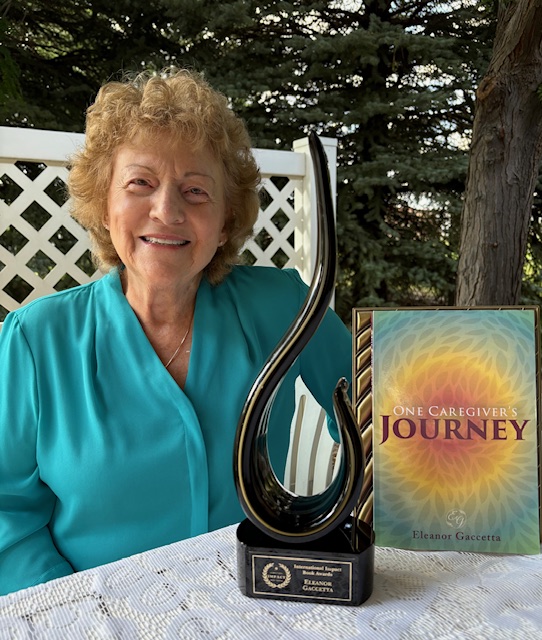
In One Caregiver’s Journey, Eleanor Gaccetta writes that she had to learn how to give her mother insulin shots even though she was very scared to do it, but she didn’t give up. She took the time to learn the right way because she was doing it for someone she loved deeply.
That is what keeping high standards looks like. When you deliver your best work every day, the person you care for stays safe.
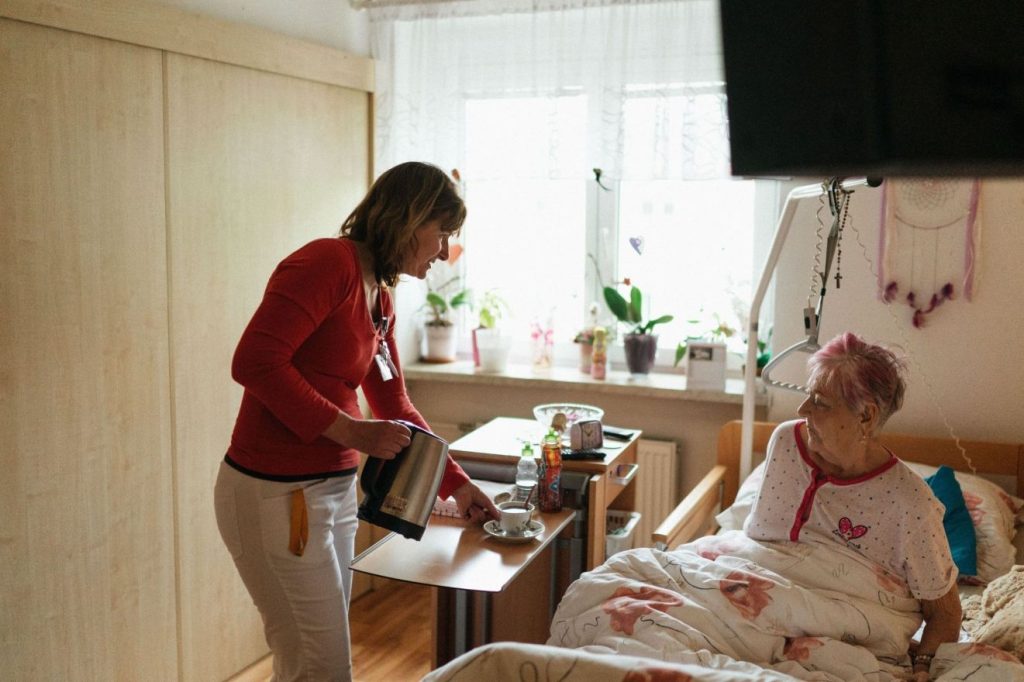
Photo by Jsme MILA
Learning Proper Body Mechanics
Lifting another person is not like lifting a heavy box. Your body can get hurt very badly if you do not learn the right moves, and many new helpers end up with back pain because they rush.
Hospital training guides state that caregivers should always stand close to the person before trying to move them. Your feet need to be wide apart to make a strong base, and you must bend at your hips and knees, not at your back. Then you push up with your leg muscles, which are much stronger than your back muscles.
When you never cut corners on these steps, you are protecting yourself, too. If you get hurt, who will take care of your loved one?
Caregiver burnout is real and happens when you get worn out from all the things you do. For example, a back injury will leave you unable to do any of those things. Therefore, whenever possible, always ask for help if the person is too heavy.
Precision matters when you lift, and one wrong move can put you in bed for weeks.
Preventing Mistakes Through Conversation
Talking to a person with dementia or hearing loss is very hard, and you might get frustrated and raise your voice. That only makes things worse.
Good communication means being patient, making eye contact, and keeping your words simple and clear. Don’t argue with the person and don’t interrupt them, and remember that your body language matters just as much as your words.
Doctors who are taught active listening skills build better relationships with patients, and the same skills work for family caregivers.
Listen to what the person is trying to say, even if the words come out wrong, because they might be trying to tell you that they are in pain or scared.
When you deliver your best work in communication, you avoid many fights and hurt feelings. Cutting corners by shouting or ignoring them only makes everyone miserable. Take a deep breath and speak slowly. This will take practice, but it is worth it.
Requiring High Standards in Every Task
Bathing, dressing, and helping with bathroom needs are very personal tasks. As such, there is a good chance that the person may feel embarrassed or scared when you’re just trying to help them. A
You must always provide privacy, assuring them that what is happening is only between the two of you. Close the door or draw a curtain, and only uncover the part of the body you are washing at that moment.
Remember this rule for dressing: put clothes on the weak side first, then the strong side. When you take clothes off, remove them from the strong side first. This makes the task easier and safer.
Also, always check the person’s skin every time you give a bath. Look for redness or sores, and if you see a sore starting, you can treat it early before it gets bad.
Cutting corners on bathing means you might miss these signs.
A small red spot can turn into a painful bedsore very fast, which only causes more work for you and more pain for them.
Never cut corners on checking the skin. Precision matters when you wash and dry between skin folds where moisture hides.
Managing Medicine with Precision
Giving the wrong pill or the wrong dose can send a person to the hospital. If you do not watch for these signs, you will not know the medicine is causing a problem.
Many family caregivers fail to report side effects to the doctor, and that’s a huge mistake because the doctor needs to know what is happening so they can change the medicine if needed.
Keep a list of all the medicines and the times they need to be given. Some drugs have to be taken with food, while others need to be taken on an empty stomach.
If you cut corners and give them all at the same time, some may not work properly.
Eleanor Gaccetta learned that nursing homes sometimes over-prescribe drugs, and when she got her mother home, her regular doctor took her off eleven of them. That shows the value of doing things right and being the person who watches over every detail.
Taking Care of Yourself for Others
This skill is the one that new helpers forget the most. Most think being a caregiver means giving up all their own needs. That’s not true at all and will definitely lead to burnout.
The signs of burnout include feeling very tired, losing weight or gaining weight, feeling sad, and having trouble sleeping. If you do not sleep or eat properly, you will get sick. Then who will take care of your loved one?
One of the biggest mistakes family caregivers make is neglecting self-care. You’re only human, and humans need breaks. You need to ask family or friends for help and to exercise and eat well.
If you try to do everything yourself, you will eventually fail. That’s not being strong now, is it? That’s just being foolish.
Never cut corners on your own health.
When you rest and recharge, you come back able to deliver your best work again. The person you care for deserves a helper who is not sick and exhausted.
Photo by Wiroj Sidhisoradej
Never Cut Corners as a Caregiver
Becoming a caregiver is a big responsibility, but the essential caregiving skills beginners need are not hard to learn; they take practice.
You cannot rush the process.
Eleanor Gaccetta cared for her mother for nine and a half years. She learned that having a routine makes life easier, but you also have to adapt when things change.
Still, she never gave up, even on the hard days.
When you never cut corners, you show love through your actions. Every time you deliver your best work, you keep your loved one safe and comfortable, and it will show in their health and happiness.
Precision matters in every small task, from giving a bath to checking a blood sugar number. And when you feel like taking the easy way out, remember why you started this journey in the first place.
Eleanor Gaccetta’s One Caregiver’s Journey is available to make you laugh and cry while giving you real advice that works and has been tried and tested.
Get your copy today and find the strength you need to keep going.