Photo by rawpixel.com
Bathing is something we take for granted for most of our lives. But when you get to a certain age, even the idea of taking a shower can be perilous. Bathing an older person can feel a lot like walking through a dark room: there’s the fear of slipping, the cold shock of encountering something that’s wet to the touch, and the struggle of waving your limbs around without considering how fragile they may be.
How to bathe the elderly safely starts with one simple idea: making the whole experience feel like there’s silk in the bath.
Now, what does this actually mean? Slow movements, soft touches, and a deep respect for fragile skin and bones.
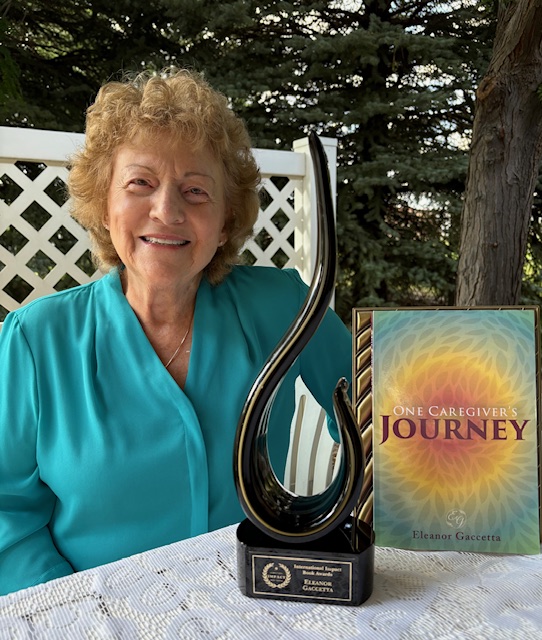
In One Caregiver’s Journey, Eleanor Gaccetta describes the importance of bathing perfectly: “The first order of business EVERY morning for my mom after getting out of bed and going to the bathroom was to put her in the shower and start fresh.”
While we may not think of bathing as that important, Gaccetta knew then, and now, that cleanliness went a long way to maintaining a good bill of health, both physically and mentally.
Yet, she also knew that rushing into it was a terribly bad idea. So, let’s learn how to turn bath time into a gentle process rather than a daily chore.
Why Safe Bathing Matters More Than You Think
Many caregivers, both veteran and newly christened, think a quick wash is good enough for everyone, them and the patients they’re in charge of. They have this idyllic idea that bathing is just a simple slip into the bathroom, water over the body, maybe some soap, and voila! NOPE! That is wrong for so many reasons.
NOPE! That is wrong. So wrong that you should get a prize for it.
For those of the younger generation who are in a hurry to get out of the house, jumping into the bath for a swift rinse may be possible, but for the elderly, you might as well ask them to do bungee-jumping.
Thousands of elderly people break their hips, ribs, wrists, and crack their heads on bathtubs or floors while using the bathroom each year–it’s sad to know, but it’s true. It’s a veritable battleground in a way: one where wet tile, hard edges, and weak legs seem like kindling to a coming wildfire.
When you grow old, bathing should be approached like you’re jumping into a warzone! Therefore, caregivers, when bathing old people, should be trained and have grab bars and a stool ready.
Safe bathing protects life itself while also preserving dignity. No one wants to feel like a burden while sitting cold and naked in a small and damp room.
When you move with the care and comfort of having silk in the bath (or shower,) you are signaling to your loved one that they matter, lessening their fears and building trust. And, most importantly, you avoid the emergency room.
Remember: a calm bath or shower prevents a tragic fall.
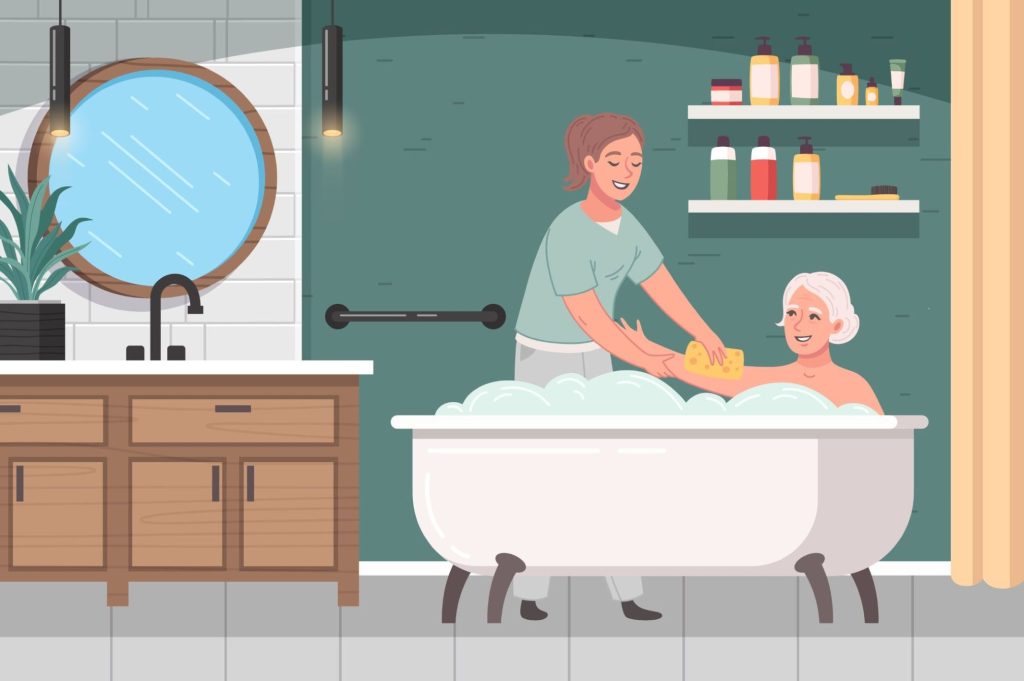
Photo by macrovector
Before Water Touches Skin
Good preparation transforms chaos into something closer to calm. It won’t help all the way, but it will help a whole lot. That’s the mindset you need to adopt when putting silk in a bath and giving your elderly charges a wonderful experience with bathing.
Now, cold air can shock older bodies and tighten their muscles.
- So, close windows, turn off fans, and run warm water for a few minutes to a warm but not hot temperature.
- Next, gather everything that you need within arm’s reach such as two bath towels, washcloth, mild soap and shampoo.
- Make sure you’ve set up a non-slip mat, a shower chair, and a handheld sprayer.
Gaccetta notes, as part of her mother’s rehab, that she “learned how to ‘supervise’ her showers.” You are now an active, if not engaged, part of the whole process: before, during, and after. NEVER leave an older person unattended in the shower or bathtub. A lot can happen if you do.fter as part of her mother’s rehab, that she “learned how to ‘supervise’ her showers.” You are now an active, if not engaged, part of the whole process: before, during, and after. NEVER leave an older person unattended in the shower or bathtub. A lot can happen if you do.
During the bath:
- Constantly check the water temperature because elderly skin can burn easily. Aim for lukewarm, not hot water.
- Finally, when all of this is done, help your loved ones undress, slowly and carefully, while letting them do as much as they can for themselves (this helps them maintain their dignity).
Now, you’re ready to do this.
Making Bathing a Labor of Love
When you’re handling wet silk, you would never yank or twist it. That would be unbecoming and a waste. Treat your loved one the same way (heck, they’re more important than silk–SHOULD be more important).
- Start the whole process by letting them sit on the shower chair with their feet splayed flat on a rubber mat.
- Use the handheld sprayer to wet their feet first, then legs, then arms.
NEVER spray the face directly. Gaccetta’s mother hated water on her head, and many elders feel the same.
- The proper way to start this process is from the head. Use a washcloth to gently clean the face and eyes. For the body, use a soft cloth with mild soap, lifting the arms slowly.
- Wash under the breasts and in the folds of their body that can trap sweat that may lead to rashes.
Gaccetta had to deal with a painful rash on her mother’s body for 18 months. “Her skin was fire engine red,” she recalls. Regular and gentle washing prevents that misery and offers calming relief.
- Rinse thoroughly, careful not to leave soap residue anywhere, which may itch and burn fragile skin if left to its own devices.
- After rinsing, pat them dry, but never rub them down because you might tear thin skin.
This entire routine should, ideally, take no more than 15 minutes. Longer baths simply exhaust older bodies more quickly.
Locking in Comfort and Safety After Bathing
Bathing does not end when the water stops pouring. Drying is just as important as washing.
Use a soft towel and pat every fold of skin dry. Moisture left behind can easily be the source of fungal infections and rashes.
Gaccetta learned the hard way when her mother’s rash spread all over “from under her breasts to patches in her crotch.” It was only after a simple generic jock itch cream was applied daily that it was finally solved.
After drying, apply lotion to dry areas (i.e., the joints) such as elbows, heels, and knees. Elderly skin cracks easily, and those cracks invite germs and dry skin can also be painful.
Then, dress your loved one in clean, loose cotton clothes. Gaccetta switched her mother to cotton underwear after that terrible rash. Cotton breathes while man-made fabrics trap sweat and odor.
Finally, offer a small drink of water. Ironically enough, bathing dehydrates the body.
After getting them settled safely in a chair or even back in bed, clean the bathroom, remove the mats to dry, and rinse the shower chair, shower or bathtub.
Photo by gpointstudio
Want more real-world advice from someone who lived this journey for nearly a decade? Get Eleanor Gaccetta’s One Caregiver’s Journey, which is available now.