


Photo by azerbaijan_stockers
Eleanor Gaccetta is no stranger to seafood–just take a look at the shrimp and seafood recipes from Generation of Good Food. And what she’s most intimate with is Italian seafood cuisine. It’s a broad tradition, celebrating the bounty of Italy’s vast coastline. Of course, Italian seafood isn’t just a single style.
It’s a vast collection of regional cooking methods shaped by the diverse cultural stylings of Italy’s coast and a thousand years of preservation, innovation, and adaptation.
The core of this cuisine lies in using fresh, local ingredients and a philosophy of simplicity, allowing the natural flavor of the sea to be the main focus of the dish.
A Philosophy and A Core Audience
The central idea of Italian cooking is minimal and direct, with the goal not being to obscure and generalize the flavors of the ingredients but to highlight them in a singular symphony of tastes.
The Diversity of Italian Cooking
While there is an overarching philosophy with Italian cuisine, the more you zoom in, the greater variety there is than what meets the eye. For the purposes of this article, we’ll broadly divide it into three:
Northern Italy
In regions like Liguria, the cuisine features lighter, more delicate preparations. Small, oily fish like anchovies are popular and often fried or marinated. The emphasis from this region is on simple, clean flavors.
Central Italy
The traditions here, from Tuscany to Rome, blend approaches. The cuisine from this area uses a mix of grilled and pan-seared seafood. Shellfish, such as mussels and clams, are quite common in pasta dishes.
Southern Italy
The warmer waters of the south provide a wide variety of fish and shellfish. The cuisine is bolder, with dishes often incorporating tomatoes, chili peppers, and capers. Naples, for instance, is known for its seafood pasta and fried seafood platters. Sicily is famous for dishes that combine seafood with sweet and savory elements like raisins and pine nuts.
Some Shrimp and Seafood Recipes
Here are some other classic Italian dishes and how to cook them:
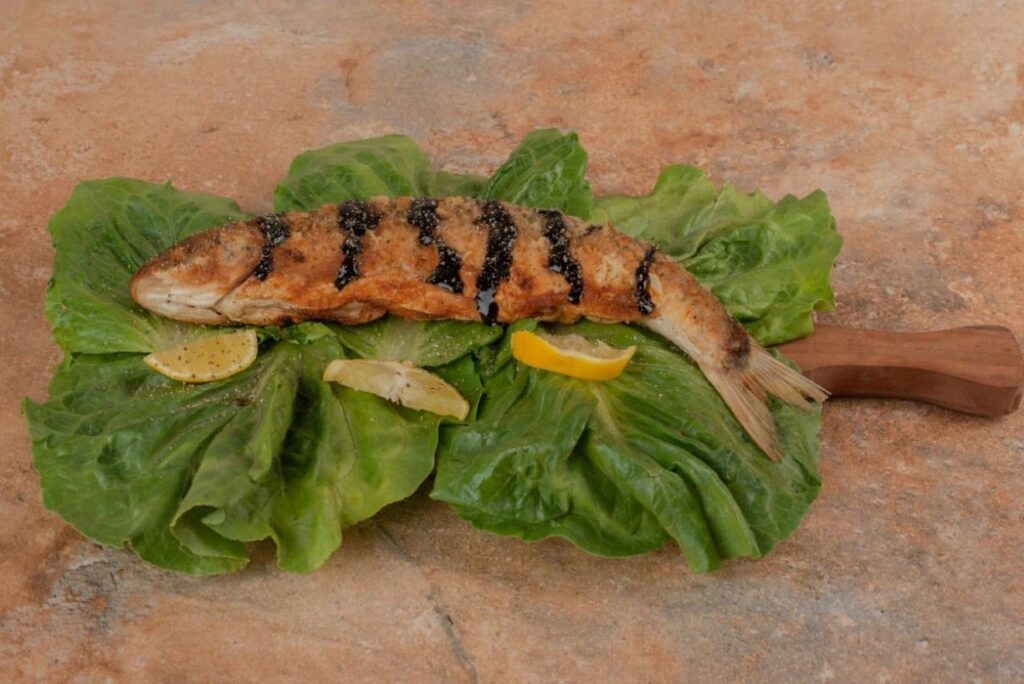
Lemon-Stuffed Grilled Branzino
This simple preparation from coastal areas highlights the freshness of the fish. A whole branzino (European sea bass) is stuffed with lemon slices and herbs like parsley or rosemary before being grilled. The fish cooks until the skin is crisp and the flesh is tender, absorbing the citrus and herbal flavors. It’s often served with just a drizzle of olive oil.
Ingredients:
- 4 whole branzino (1 pound each)
- salt and pepper
- 4 sprigs fresh thyme
- 4 bay leaves
- 1 lemon, thinly sliced
- extra-virgin olive oil
Steps:
- Preheat your grill or grill pan.
- Season the inside of each fish with salt and pepper.
- Stuff each fish with a thyme sprig, a bay leaf, and two lemon slices.
- Rub the outside of the fish with olive oil and season with salt and pepper.
- Grill the fish for about 7 minutes per side, turning once, until the skin is crispy and the fish is cooked through.
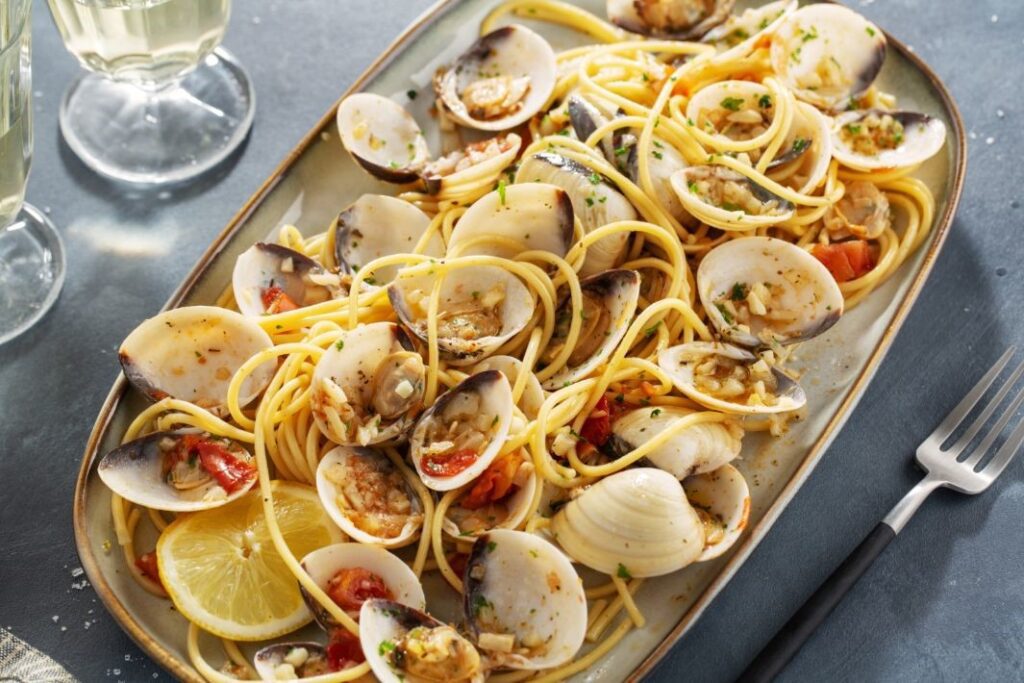
Spaghetti with Clams
A classic dish from Naples, this dish is a testament to the simplicity of Italian cooking. It is a combination of spaghetti noodles with steamed clams cooked in a sauce made from white wine, garlic, and red pepper.
Ingredients:
- Spaghetti
- Kosher salt
- Extra-virgin olive oil
- Garlic cloves
- Crushed red pepper
- Littleneck clams
- Water
- Finely chopped parsley
- Freshly ground black pepper
- Dry white wine
Directions:
- Boil salted water and cook spaghetti until “al dente.”
- In a large skillet, heat olive oil, then add minced garlic and crushed red pepper and cook until the garlic is lightly browned.
- Add the clams, white wine and water to the skillet, cover, and simmer for 5-8 minutes until the clams open. Discard any unopened clams.
- Add the cooked spaghetti and chopped parsley to the skillet and season with pepper.
- Toss everything together over high heat for about a minute to let the pasta absorb the juices.
- Serve immediately.
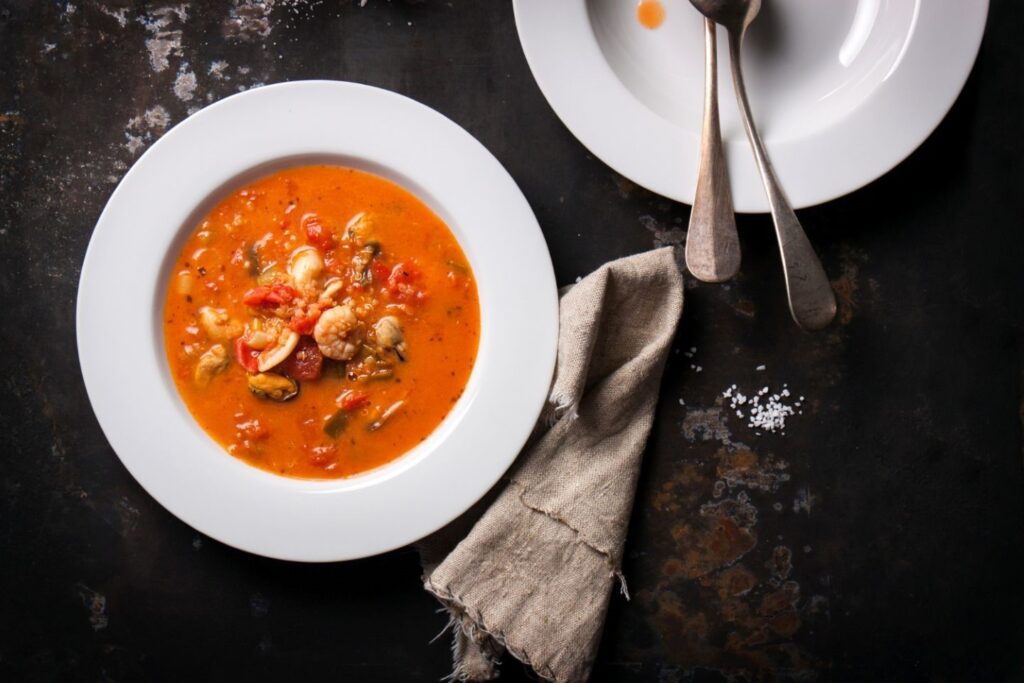
Venetian Shrimp with Polenta
A dish from the Veneto region, this contrasts the delicate flavor of shrimp with the creamy texture of polenta–a dish made from cooked cornmeal. The shrimp are quickly cooked with garlic and white wine and served over a bed of soft polenta, creating a satisfying combination of textures and flavors.
Ingredients
- Polenta: Water, stone-ground cornmeal, salt, butter, mascarpone cheese and a bay leaf.
- Shrimp: Olive oil, garlic, crushed red pepper, dry white wine, chicken stock, large shrimp, lemon zest, salt, butter, and fresh flat-leaf parsley.
Directions:
Make the Polenta:
- Whisk water, cornmeal, salt, butter, mascarpone cheese and bay leaf in a pot.
- Bring to a boil, then reduce the heat and simmer for about 40 minutes, stirring occasionally, until thickened.
- Remove from the heat, and cover to keep warm.
Make the Shrimp:
- In a large skillet, cook olive oil, garlic, and crushed red pepper over low heat for 3 minutes.
- Add white wine and simmer for 5 minutes until reduced.
- Add chicken stock and simmer for 3 minutes.
- Add shrimp, lemon zest, and salt, and cook for 4 minutes until the shrimp are slightly opaque.
- Stir in butter and half the parsley.
- Cover and steam for 2 minutes to finish cooking the shrimp.
Serve:
- Ladle the polenta into bowls, top with the shrimp and sauce, and garnish with the remaining parsley.
- Serve immediately.
Good Food for Generations
These traditions are part of coastal family cooking in Italy.
Seafood holds a very significant place in Italian culture. This is quite evident in traditions like the Feast of the Seven Fishes (La Vigilia) from Southern Italy. This Christmas Eve celebration is a multi-course meal featuring a variety of seafood dishes, symbolizing family and abundance. The number seven is special. The feast shows how many ways you can cook seafood. Dishes can include fried calamari, baked cod, or seafood pasta. This tradition shows how seafood is part of special times, turning a meal into a big event.
This is simply one of the many traditions that highlight how seafood is more than just food. It’s a part of shared cultural identity and a way to honor the sea’s generosity. Recipes are passed down from one generation to the next. Cooking seafood is a way to share culture and food with family.
From a fun shrimp boil to a fancy Italian dinner, shrimp and seafood recipes are good for any occasion. Whether you bake a fish, join a family feast, or make a holiday platter, the meal will be great. Seafood is more than just food. It connects us to nature and tradition.
Check out Generations of Good Food by Eleanor Gaccetta and learn more about shrimp and seafood recipes.
