Photo by Tima Miroshnichenko
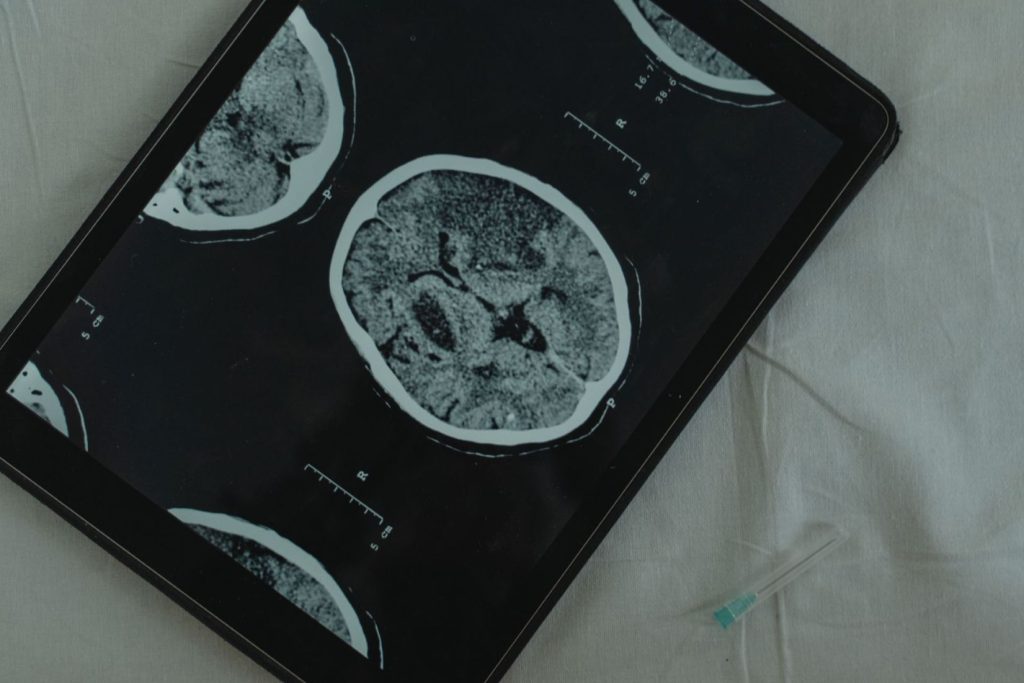
Searching for early signs of dementia in brain imaging is a central part of modern medicine, helping to offer a window into brain health long before clear symptoms appear. These scans are much more than simple photographs; they are powerful tools for figuring out the signs that the brain is struggling.
When these images come out, Doctors can see signs of shrinking in specific areas, which can be a key early warning signal. Some research even suggests that thinning brain tissue can predict dementia up to a decade before symptoms can even start.
This is a hopeful sign because it means there could be more time to take action and plan for the future.

Photo by gpointstudio
THE BASICS OF BRAIN IMAGING
Specialized scans like MRI and PET help doctors see the brain’s physical structure and how it works. For instance, a PET scan can show how a particular brain uses sugar for energy, and when certain areas use less, which can be a major clue.
This type of “functional” imaging is often more sensitive than just looking at the brain’s structure alone.
Furthermore, new types of PET scans can even detect abnormal proteins, like amyloid plaques, which are strongly linked to Alzheimer’s disease. Being able to see these proteins is a huge step forward in making a precise early diagnosis.
This capability allows clinicians to move beyond guessing and begin to understand the specific disease process occurring in the brain.
How Shrinkage Tells a Story
For a long time, doctors have known that dementia leads to a loss of brain cells, which shows up as shrinkage, or atrophy, on a scan. In Alzheimer’s disease, this shrinkage often starts in a specific area called the hippocampus, which is the part of the brain that is deeply involved in forming new memories. When an MRI shows this pattern of atrophy, it provides powerful evidence for the doctor.
However, it’s not always a simple picture.
Some types of dementia, like Dementia with Lewy bodies, might have less shrinkage in the hippocampus compared to Alzheimer’s, helping to tell them apart.
The process of interpreting patterns in brain shrinkage is a crucial skill for radiologists.
While spotting major atrophy is useful, the real power of brain imaging may lie in detecting subtler clues. There is new research that shows that even in the very early stages, before someone is diagnosed with dementia, their brain might show signs of “aging” faster than normal.
Scientists call this the “brain-predicted age difference,” in which a scan shows a brain that appears older than the person’s actual age.
This concept is part of mapping brain health over time, offering another way to measure risk.
Functional Scans and Brain Activity
Beyond just looking at the shape of the brain, other imaging tests can watch the brain in action. FDG-PET scans, for example, measure how much glucose (sugar) different parts of the brain use. This is important because a healthy, active brain uses a lot of energy. When certain regions show a drop in this metabolic activity, it is a strong sign of a problem. This test is highly sensitive and is very effective in telling Alzheimer’s disease apart from other types of dementia.
Observing these neurological shifts in brain activity provides another layer of information.
The capacity to see changes in brain activity can be especially helpful for diagnosing conditions like Frontotemporal dementia, which often affects behavior and personality earlier than memory. Because this type of dementia can be hard to distinguish from psychiatric conditions, a PET scan showing specific patterns of low activity in the frontal and temporal lobes can be a crucial piece of the puzzle.
The information gleaned from these scans is not just about identifying a problem; it is also about understanding its nature, which is essential for planning care.
The ultimate goal is to combine all this information from different scans to get a complete picture for a precise early diagnosis.
What Doctors Look For and Why
Doctors are not just looking at one thing on a brain scan; they are building a case by considering plenty of things. A standard MRI is often the first step because it is very good at ruling out other causes of memory problems, such as a brain tumor or a stroke. It can also show evidence of small strokes or damage to the brain’s white matter, which is common in vascular dementia. This process of exclusion is just as important as finding positive signs of a neurodegenerative disease.
While an MRI might show some of these “soft signs” of aging, it is not always definitive on its own.
The real strength of modern brain imaging comes from combining these different techniques to identify patterns. The ATN (Amyloid, Tau, and Neurodegeneration) framework is one way to do this. Using different types of PET scans, doctors can see if a person has amyloid plaques (A), tau tangles (T), and evidence of nerve cell loss (N). Finding a pattern that fits this framework makes the diagnosis much more certain.
This process of interpreting patterns from all available data is what makes figuring out the signs of early dementia a sophisticated and scientific process, offering a path to early and accurate identification.
Photo by meo
The Promise of Early Detection
The ability to detect changes in the brain early is not just an academic exercise. As these techniques are made more accessible and widespread, they will have a real and practical impact on people’s lives. An early diagnosis allows individuals and their families to plan for the future, make lifestyle changes, and seek out clinical trials for new treatments.
This kind of early insight empowers families to make informed decisions and seek support, providing a clearer path forward, even in the face of a challenging diagnosis.
For many, the journey of caregiving can feel overwhelming. Gaining a clear understanding of the condition as early as possible is a powerful first step. Learning about what is happening allows families to build a supportive and effective care network.
Through knowledge and planning, families can navigate this complex path with greater confidence and hope. This is what the journey of caregiving is all about.
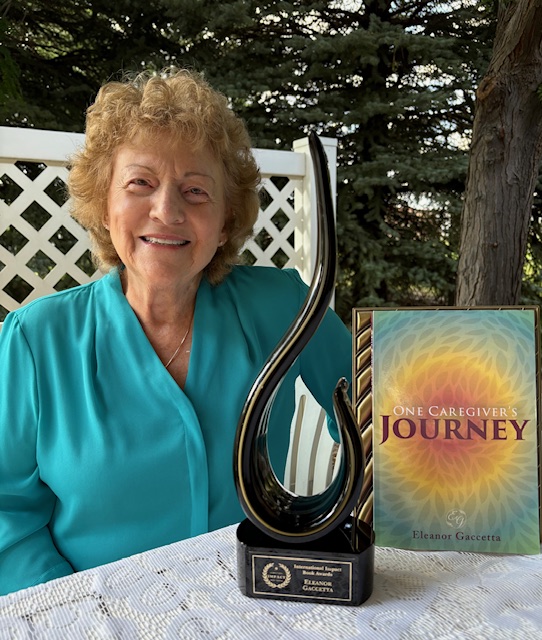
This is where One Caregiver’s Journey by Eleanor Gaccetta can be an essential companion. This book offers a real-world perspective to guide you through the challenges and victories of caring for a loved one. To learn more and purchase this valuable book, visit the official sales page today.