Photo by Age Cymru on Unsplash
Standard adult daycare programs offer crucial relief for family members caring for aging loved ones at home. If you’re managing the round-the-clock demands of caregiving, you know how exhausting it can become. These structured programs give you the breathing room you need while ensuring your loved one receives professional care and social engagement during the day.
Caregiving responsibilities weigh heavily on families, especially when caring for someone with cognitive decline or mobility challenges. Understanding dementia home safety design tips helps you protect your loved one at home, but it’s only part of the solution. Standard adult daycare programs provide a comprehensive approach to aging care that complements your efforts at home and reduces your burden significantly.
What These Programs Offer
Adult daycare programs combine supervision, activities, and professional support in one secure setting. Your loved one spends structured days in a caring environment while you handle work, appointments, or simply rest. These programs typically run during business hours, making them flexible for families with varying schedules.
The benefits extend beyond basic supervision. Your loved one receives nutritious meals, therapeutic activities, and social interaction with peers facing similar challenges. Participants engage in exercise classes, arts and crafts, memory games, and outings that keep their minds and bodies active. This engagement reduces behavioral problems and improves mood for many attendees.
Caregiver Respite Services and Stress Relief
Caregiver respite services offered through standard adult daycare programs give you dedicated time away from caregiving duties. Even a few hours daily can transform your mental health and quality of life. This time allows you to work, run errands, exercise, or simply sleep without worry.
The impact on caregiver stress relief is profound. Research shows that family caregivers experience depression, anxiety, and physical health problems at higher rates than the general population. When your loved one attends standard adult daycare programs, you gain control of your schedule and emotional well-being.
Building Social Connections
Many caregivers feel isolated by their responsibilities. Standard adult daycare programs help your loved one build connections with others experiencing similar life stages. These social bonds provide mental stimulation and reduce feelings of loneliness that can accelerate cognitive decline.
Your loved one benefits from trained staff who understand aging and dementia support programs. Staff members know how to communicate effectively, manage difficult behaviors, and keep participants safe. This expertise gives you peace of mind knowing your loved one receives professional care from people trained specifically for this work.
Financial and Practical Benefits
Adult daycare programs cost significantly less than residential care facilities. For many families, this makes comprehensive daytime supervision affordable and sustainable. Some programs accept insurance or Medicaid, making them more accessible to families with limited resources.
The practical advantages matter too. Adult daycare programs eliminate the stress of finding and managing multiple caregivers. You don’t worry about gaps in coverage or whether someone will show up. Your loved one benefits from consistent staff members who develop relationships with participants.
Maintaining Your Primary Role

Photo by Markus Winkler on Unsplash |
You remain the primary caregiver when your loved one attends adult daycare programs. This arrangement gives you control over medical decisions, meal planning, and evening care routines. Instead of managing constant supervision, you focus on quality time during evenings and weekends.
Many programs provide detailed reports about your loved one’s day, eating habits, mood, and participation in activities. This feedback helps you understand your loved one’s needs better and adjust home care accordingly. Staff members become partners in your caregiving journey rather than replacements.
How to Get Started
Research programs in your area by contacting your local Aging and Disability Resource Center. Visit programs during operating hours to observe the environment, meet staff, and assess whether the setting feels right for your loved one.
Ask about staff training, staff-to-participant ratios, activity schedules, and how programs handle medical needs. Request references from current families. Many programs offer trial days so your loved one can adjust gradually.
For more information about caregiver support and resources, visit the Caregiver Action Network at https://www.caregiveraction.org. You can also access detailed guidance through the National Alliance for Caregiving at https://www.caregiver.org.
Adult Daycare Programs: Why This Support Matters
Without adult daycare programs, many caregivers face complete burnout. The constant responsibility of watching someone 24 hours a day creates physical and emotional exhaustion that makes quality caregiving impossible. These programs aren’t luxuries. They’re essential tools for sustainable, loving care.
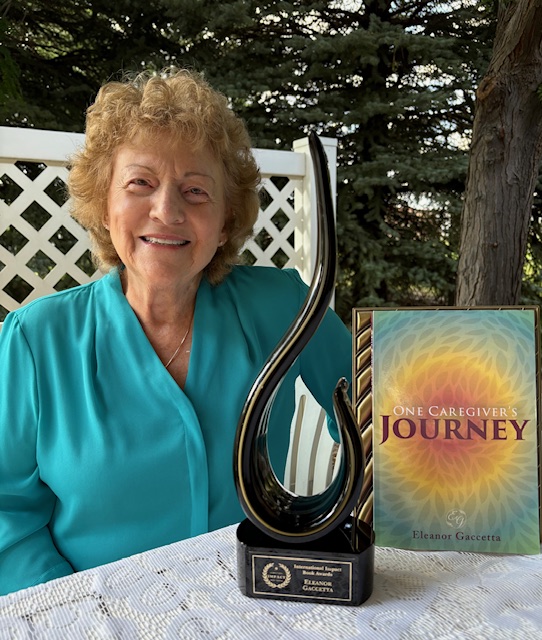
Your loved one deserves engaged caregiving, and you deserve rest and personal time. If you’re navigating caregiving and searching for ways to sustain yourself through this demanding role, consider reading One Caregiver’s Journey by Eleanor Gaccetta. This personal memoir shares the author’s experiences providing 24/7 care to her mother for 9 and a half years until her mother’s death at age 102. The book offers practical suggestions and emotional insight that resonate with caregivers at every stage. As you read, you’ll realize the book is more than just a memoir. Rather, It’s a blueprint for navigating the complex journey of caregiving and the many life transitions it brings.
Are you just starting or deep in your caregiving journey, One Caregiver’s Journey provides practical wisdom grounded in real experience. Grab your copy today and discover how one woman’s journey can light the way for yours.