Photo by Jsme MILA
When caregivers reach the burnout stage, their entire world shifts.
The role that once felt meaningful becomes overwhelming. Your energy depletes. Your patience thins. The person you care for still needs you, but you’re running on empty.
This is the caregiver burnout stage. It creeps up quietly, disguising itself as a bad week or a rough month. But when caregivers reach the burnout stage, it’s not temporary exhaustion anymore. It’s a signal that something critical needs to change.
You might recognize the warning signs. Your body aches constantly. Sleep escapes you. You snap at people you love. Food loses its taste. Thing is, these aren’t personal failings. They’re your system telling you that when caregivers reach the burnout stage, your body and mind are running on fumes.
The silence you keep makes it worse.
Many caregivers suffer alone, believing they should simply push through. They think asking for help means they’re weak or failing at their role. That’s where the real damage happens.
Here’s the truth: when caregivers reach the burnout stage, ignoring it costs more than acknowledging it. Your health matters. Your mental well-being matters. The quality of care you provide depends on it.
Understanding Caregiver Mental Fatigue
Caregiver mental fatiguegoes beyond feeling tired. It’s the erosion of your emotional reserves. You’re making decisions constantly. You’re monitoring health conditions. You’re handling medical appointments, medications, finances, and household tasks. Your brain never stops working.
This relentless mental load drains you faster than physical work ever could. When caregivers reach the burnout stage, their thinking becomes fuzzy. Concentration fails. Memory lapses happen. Decision fatigue sets in, making even simple choices feel impossible.
The weight compounds when you can’t take genuine breaks. A day off means hiring someone to watch your loved one or asking family to step in. Both options create stress and guilt. So many caregivers stop trying and just keep going, pushing past when caregivers reach the burnout stage without addressing the root cause.
What Changes When Burnout Hits
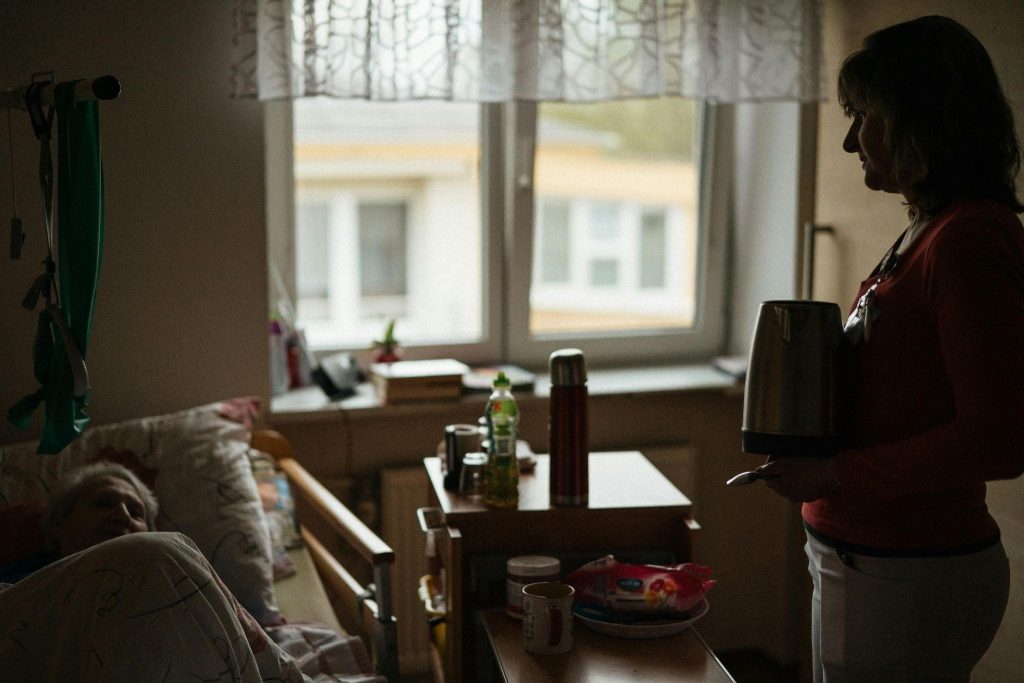
When caregivers reach the burnout stage, manageable tasks feel suffocating. You grow impatient with your loved one, feel resentment, and shame keeps you silent. Physical symptoms emerge: weakened immunity, rising blood pressure, chronic pain, weight changes, and anxiety or depression. Relationships deteriorate as you withdraw from friends and family notices the shift but can’t help. Your partner feels neglected, and your stress affects your children.
The isolation deepens when caregivers reach the burnout stage, and often your loved one doesn’t understand the change, responding with increased demands and creating a painful cycle.
Caregiver Support Strategies That Work
When caregivers reach the burnout stage, recovery requires action. You can’t think your way out of this alone.
- Start by naming it. Tell someone you trust that you’re overwhelmed. Say the words out loud. This breaks the silence and makes the problem real in a way that allows solutions to emerge.
- Seek professional help. A therapist specializing in caregiver stress understands what you’re going through. They won’t judge you. They’ll help you untangle the guilt and build coping mechanisms.
- Connect with other caregivers. Join a support group, online or in person. When you sit with people experiencing the same thing, you realize you’re not failing. You’re human. You’re experiencing something genuinely hard.
- Delegate ruthlessly. What tasks can you hand off? Hire help for cleaning or yard work. Ask family members to take specific responsibilities. If money is tight, investigate community resources and nonprofit organizations that assist caregivers.
- Set boundaries with your loved one when possible. If they’re cognitive, explain that you need breaks. If they’re not, arrange care coverage anyway. Your needs matter.
- Create micro breaks throughout your day. Ten minutes of quiet time. A walk around the block. Five minutes listening to music that makes you feel alive. These tiny pockets of peace prevent the pressure from building to critical levels.
Caregiving Recovery Tips for the Long Haul
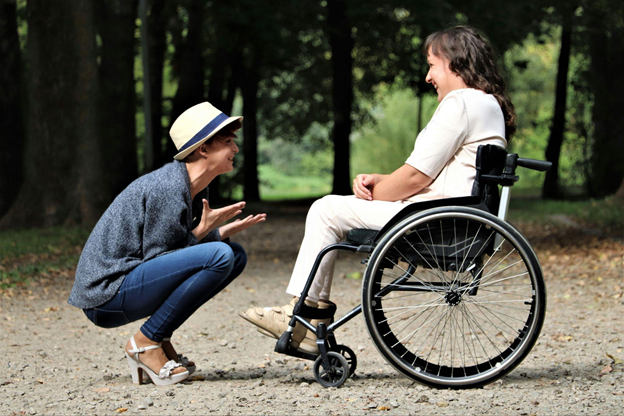
Photo by Judita Mikalkevičė
When caregivers reach the burnout stage, recovery takes time. Your body and mind have carried too much for too long, and healing rarely happens overnight. Be patient with yourself. Start with small things that help you feel steady again. Take a walk, stretch, or dance in your kitchen while dinner cooks. Eat food that gives you real energy instead of surviving on sugar and quick snacks. Sleep matters more than most people realize because exhaustion makes every hard feeling heavier.
Create simple routines that help you feel grounded before the day pulls you in every direction. When caregivers reach the burnout stage, joy can feel selfish, but it is not. It is part of staying healthy in a world that asks exhausted people to keep going like nothing is wrong. Human design flaw. Spectacularly inefficient.
When Caregivers Reach the Burnout Stage: Moving Forward
When caregivers reach the burnout stage, recovery starts with one decision: your health matters.
This is essential. You cannot pour from an empty cup. This is physics, and not some cliché concept. And when caregivers reach the burnout stage, your cup is not just empty. It’s cracked. Begin today, make one call, join one support group, and tell one person the truth about how you’re really doing.
These small acts create momentum toward healing.
For deeper insights into navigating caregiving challenges, the National Alliance on Mental Illnessoffers resources. Additionally, the Caregiver Action Network provides comprehensive support at https://caregiveraction.org/.
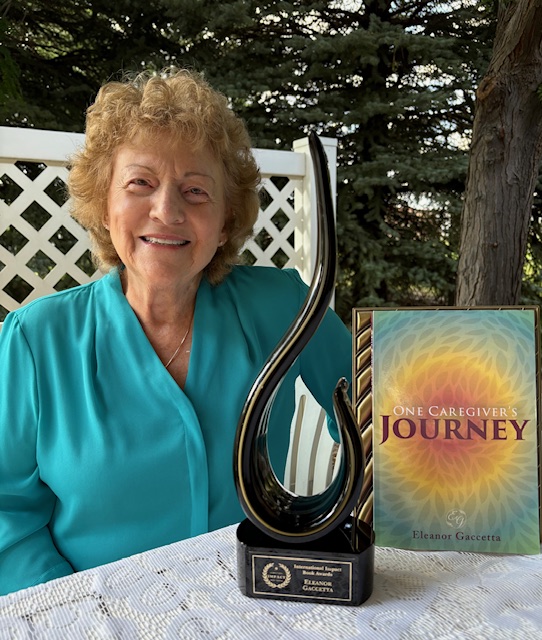
If you’re seeking guidance that combines real stories with practical wisdom, “One Caregiver’s Journey” by Eleanor Gaccetta offers exactly what you need right now. This personal memoir shares nine and a half years of honest caregiving experiences. Eleanor writes about the stages caregivers face, the challenges that arise, and the strategies that actually work.
Whether you’re just beginning your caregiving role or deep in the trenches of burnout, this book provides the blueprint for navigating this demanding path. Grab your copy today!