Image Source: Magnific
Taking on a caregiving role for a loved one is often described as an act of immense love—the ultimate devotion. However, when reality dawns on the individual, this commitment comes with an intense and unpredictable emotional journey.
The caregiver’semotional stages often mirror the classic levels of grief but are uniquely compounded by the unrelenting daily demands of care, the gradual decline of the person being cared for, and the caregiver’s own sense of sacrifice. And so, understanding these phases serves as a crucial step toward self-awareness, better decision-making, and preventing burnout.
The Initial Shock and Confusion
A caregiving journey frequently begins with a major life event, such as a medical diagnosis or an accident. In this initial stage, many caregivers find themselves in a state of shock and denial. This response is a natural psychological defense mechanism meant to buffer the immediate impact of painful news. For instance, a caregiver might downplay the significance of symptoms or rationalize them as temporary setbacks.
During this early period, the individual is often trying to process a newly assumed identity. This phase of confusion is when the caregiver grapples with the uncertainty of their new role and the instability it brings to their own life trajectory. On many occasions, caregiver stress phases begin to manifest, frequently leading to anxiety and a feeling of being unmoored from their previous routines.
The Transition from Conflict to Consideration
As the reality of caregiving settles in, the transition brings feelings of conflict and anger. Caregivers may direct their frustration at healthcare professionals, at family members who seem unsupportive, or even at themselves. This anger frequently stems from a sense of helplessness; they might play the “if only” game, dwelling on what could have been done differently to prevent the situation.
This period of internal or external conflict evolves into a phase of consideration. During consideration, the caregiver begins to seriously evaluate their circumstances and the inevitable trade-offs that come with their new duties.
This is a critical juncture where the caregiving emotional adjustment process becomes a conscious effort, requiring the caregiver to acknowledge that their life has fundamentally changed and that difficult decisions—such as scaling back work or social engagements—are on the horizon. The emotional weight of this stage can be heavy as they realize that their future will look drastically different from what they had anticipated.
Without adequate support, the persistent stress and conflict can deepen into a more severe phase of burnout and isolation. The caregiver may begin to withdraw from friends and family, feeling that no one else can understand their unique struggles. They might feel trapped and emotionally withdrawn, even from those who offer help. This isolation is a hallmark of the second stage of burnout, where the caregiver loses their sense of purpose and feels unappreciated.
At its most intense, this can lead to a state of despair and depression. Caregivers may experience disrupted sleep, changes in appetite, and a significant decline in their own physical health. When individuals feel this hopeless, it is a sign that the caregiver burnout progression has reached a critical point, and professional intervention and support are urgently needed.
Acceptance and Finding New Meaning
While the journey is arduous, many caregivers eventually reach a phase of acceptance. This does not mean they are happy about the situation; rather, they come to terms with their reality. They learn that life goes on, even though it is significantly different. Acceptance is a powerful stage where the caregiver acknowledges the loss of their previous life but also recognizes their own capacity for resilience.
A vital part of this acceptance is the ability to find new meaning in the experience. Despite the immense challenges, caregivers often report positive aspects of their role, such as personal growth, a deeper sense of purpose, and a strengthened bond with the person they are caring for.
The caregiving coping stages reach a peak of effectiveness here, as the caregiver is better equipped to handle the daily stress without it being all-consuming. They adopt strategies that focus on what they can control, finding joy in small moments—a brief smile from the person they care for, a quiet moment of peace, or the successful navigation of a difficult day.
The Psychological Impact and the Path to Healing
The cumulative effect of these experiences constitutes a significant caregiver psychological impact. Individuals in this role are at a higher risk for chronic stress, anxiety, and depression, often prioritizing their loved ones’ needs to the detriment of their own physical and mental health.
This highlights the critical importance of self-care, which, although it may feel selfish, is essential for the caregiver’s survival. Experts emphasize that seeking help and allowing oneself to feel multiple, often conflicting emotions—such as love and resentment, or compassion and anger—is not a sign of failure but a profound sign of one’s humanity.
All emotions are valid signals from the body and mind, asking for attention and care. The caregiver’s emotional journey is a testament to the complex nature of human love and the heavy burden of responsibility. By acknowledging these stages and the signs of burnout, caregivers can better advocate for their own well-being and provide the best possible care for their loved ones without losing a significant part of themselves in the process. As the journey ends, many face the final stage of grief and must then navigate the process of redefining their identity beyond the caregiver role.
Appreciating Your Caregiving Journey
There are no takebacks, no second chances, and no extra time when it comes to caregiving. Sometimes, the best day can become the last day. And the difficult days become the most significant growth experienced by the caregiver and care recipient.
The complexity of the situation, the emotional weight—it can be a burden. But caregivers don’t have to walk through it alone. There are multiple ways to keep caregivers grounded.
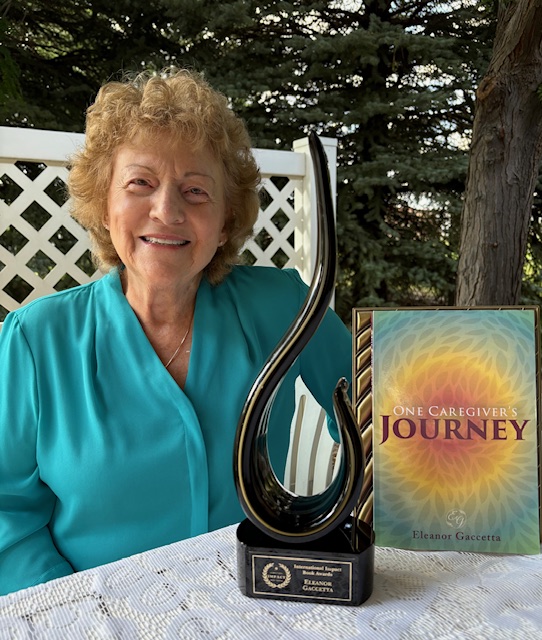
If you’re looking for a book to broaden your knowledge about caregiving, One Caregiver’s Journey by Eleanor Gaccetta is an excellent memoir and guide that helps caregivers navigate various aspects of caring for someone. Grab a copy of One Caregiver’s Journey right now!