Photo by Jsme MILA
Becoming a caregiver for someone, especially when that someone is a relative, is a role that relatively few people truly feel prepared for.
The journey can be, at once, filled with moments of joy, exhaustion, and everything in between. Many people step into this role without warning, learning through trial and error while managing a tremendous amount of pressure.
This is precisely why seeking out practical caregiving books for new caregivers can make all the difference. These are resources that offer guidance and a roadmap for what lies ahead.
Being ready for this role means more than just setting up a hospital bed or learning medical terminology, requiring a deep, personal readiness that calls for going the extra mile in how you prepare your mind, your home, and your heart.
Preparing Yourself Before the Journey Begins
Before diving into the daily routine of caregiving, it is crucial to prepare yourself for the lifestyle change that is coming. Caregiving often starts quietly and then grows quickly, turning from the occasional help given into a round-the-clock responsibility. This shift can be jarring for many.
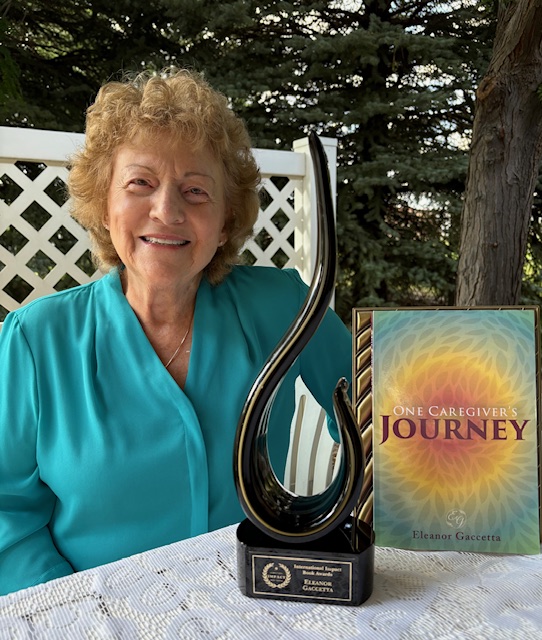
Having an honest talk with yourself about what you can handle is important. Eleanor Gaccetta, in her book One Caregiver’s Journey, shares her experience of having to leave a forty-year career when her mother needed her. Her story shows that going the extra mile often means making personal sacrifices and changing career plans to be present for a loved one.
This level of commitment is not for everyone, and it’s okay to admit that.
A caregiver’s ability to survive the journey depends on their own well-being.

Photo by mdjaff
Beginning One Caregiver’s Journey
Eleanor Gaccetta’s memoir is a powerful example of what it truly means to go above and beyond for a parent. Her book is not a clinical guide but a personal diary detailing the nine and a half years she spent as the sole caregiver for her mother, who lived to be 102.
Her story is replete with valuable advice.
In particular, Gaccetta’s journey shows the reality of losing social connections and dealing with the emotional toll of watching a parent decline. She describes days filled with repetitive questions, accidents, and the sheer exhaustion of being a 24/7 lifeline. Between these, she also highlights the importance of finding balance and peace, especially in the small moments. Her anecdotes about singing along with her mother or dealing with mischievous rabbits on the patio illustrate the necessity of humor and adapting your mindset to the long haul of caregiving.
By reading her experiences, new caregivers gain a realistic sense of what to expect and can begin to understand that the difficulties they face are not a sign of personal failure but a normal part of the process.
Building a Foundation with The AARP Caregiver Answer Book
For those who want a broad, reliable overview of caregiving, The AARP Caregiver Answer Book serves as an excellent starting point. Written in an easy-to-use Q&A format, this book is designed to answer the most common questions that arise, helping new caregivers assess their own situations and determine what they are willing and able to provide.
The AARP Caregiver Answer Book covers essential topics such as dealing with healthcare systems, managing difficult family dynamics, and navigating finances. It is very thorough in that regard. The book also gives practical solutions for everyday tasks, including bathroom assistance and medication management, which many new caregivers find intimidating.
By presenting this information in a straightforward way, The AARP Caregiver Answer Book helps relieve some of the anxiety that comes with not knowing where to begin.
Be empowered to make informed decisions with more confidence.
Managing the Overwhelm with The Caregiver’s Encyclopedia
When the pressure of caregiving mounts, it can feel impossible to keep all the plates spinning. The Caregiver’s Encyclopedia: A Compassionate Guide to Caring for Older Adults offers a comprehensive look at the medical and logistical side of care.
The Caregiver’s Encyclopedia acts as a reference guide for the many physical and medical challenges that arise, from understanding a diagnosis to managing a hospital stay. The knowledge you gain from this book can be crucial for taking that extra step to ensure your loved one gets the best possible care.
By having a trusted resource to turn to, you can feel less overwhelmed by the technical aspects of care. The Caregiver’s Encyclopedia helps you understand what is happening with your loved one’s health and how to be a better advocate.
This type of knowledge is a form of self-care in itself, as it reduces uncertainty and helps you feel more in control.
Gaining Business Savvy with Care Boss
Often, caregivers find themselves unexpectedly managing a complex situation that resembles a small business. This involves coordinating schedules, managing budgets, and navigating the logistics of insurance and medical care. Jennifer A. O’Brien’s book, Care Boss, is essential reading for those needing help with this side of the job.
Care Boss provides strategies for the non-medical skills that are vital for caregiving success, such as organization, negotiating the healthcare system, and managing finances. It is about being a “boss” to the situation, rather than being controlled by it. This approach means exceeding expectations by getting a handle on all the moving parts.
When you have a clear understanding of the finances and services available, you can focus more on the personal connection with your loved one.
Sustaining Yourself with Zen Caregiving
Caregiving is mentally and emotionally draining, and burnout is a serious risk. This is where Zen Caregiving: How to Care for Yourself While Caring for Others becomes incredibly valuable. The book is grounded in the idea that you cannot pour from an empty cup, teaching caregivers how to set healthy boundaries and let go of the guilt that often comes with taking time for themselves.
This might involve something as simple as taking a ten-minute walk or asking a neighbor to sit with your loved one while you run an errand. Caregivers often feel guilty for wanting a break, but Zen Caregiving helps reframe self-care as a necessity.
By taking care of their own mental health, caregivers can be more present and patient with their loved ones.
This practice is truly beyond what is needed for someone who might think they must sacrifice everything, ensuring the caregiver’s well-being is protected, so the care they give is of a higher quality.

Photo by Mikhail Nilov
Going the Extra Mile
Preparing for the caregiving journey is about more than just buying the right equipment; it’s about a mindset shift that involves going the extra mile for yourself as well as your loved one.
These guides provide different kinds of support: from the compassionate, real-world stories in One Caregiver’s Journey and the practical Q&A in The AARP Caregiver Answer Book, to the logistical mastery of The Caregiver’s Encyclopedia and Care Boss, to the essential self-preservation advice in Zen Caregiving.
By using these resources, you equip yourself not just with knowledge, but with the resilience to face the hard days and the wisdom to appreciate the good ones.
Ready to start your journey with a trusted guide? Purchase your copy of Eleanor Gaccetta’s One Caregiver’s Journey and learn how to navigate the path ahead with humor, love, and strength.