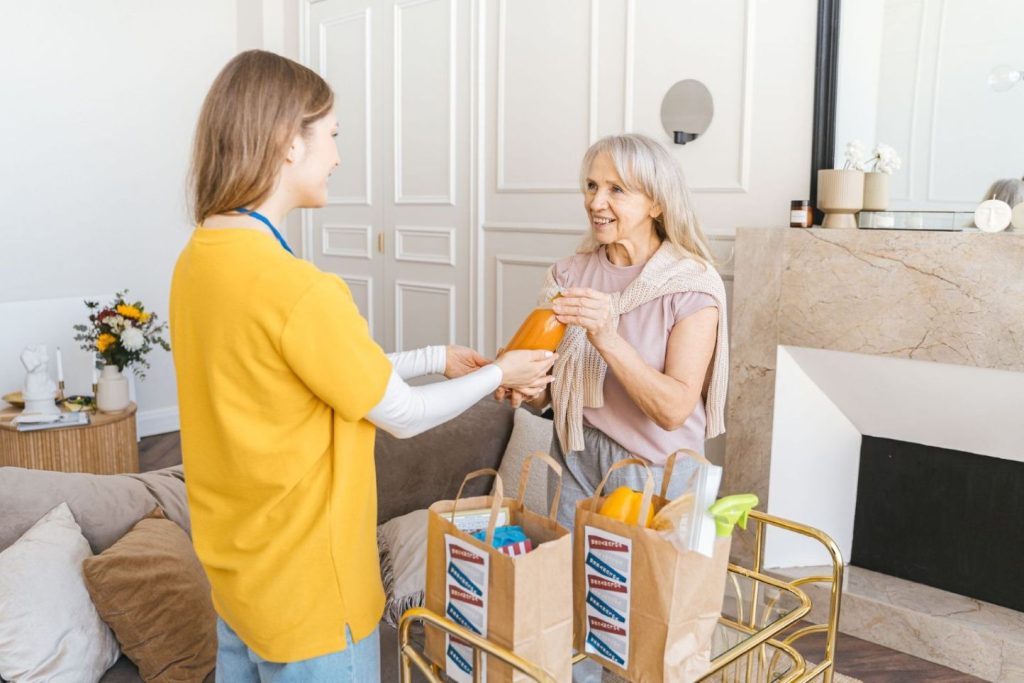
Photo by AI25.Studio Studio
The daily routine of a caregiver is most often a marathon and seldom a sprint. Thus, from morning showers to late-night comfort checks, your clothes have to be more than just fabric: they’re going to have to be your uniform.
Choosing the right caregiver clothing essentials is important for surviving the day with your sanity and your spirit intact. As such, your clothing needs to be a shield, a tool, and a source of comfort all at once.
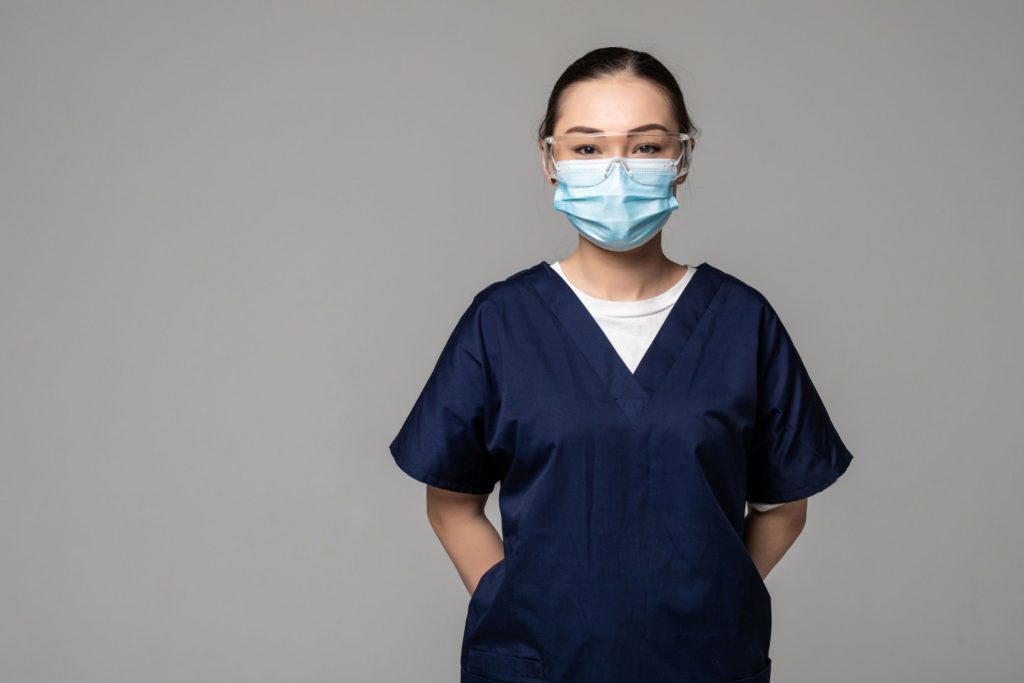
Photo by diana.grytsku
Choose Materials That Work As Hard As You Do
The first layer of your armor is the fabric against your skin.
Look for materials that are built to endure the constant motion and frequent washing that define a caregiver’s life.
- High-quality natural materials (like cotton, bamboo, and viscose) are excellent choices because they are soft, breathable, and help regulate body temperature. This is crucial when you have to move around a lot or are managing a warm environment.
- Fabrics with a bit of stretch (such as those containing elastane) are also a wise investment. They move with you rather than against you, making it easier to bend, reach, and lift.
- Synthetic fabrics (like nylon or polyester) might seem like a good idea, but they can trap heat and moisture, leading to discomfort and skin irritation.
Choose durable clothes that are “easy-care” and non-iron to save you precious time and energy. The extra time you save on ironing can be spent resting or recharging. Rugged garments made from high-quality materials will keep their shape and color even after dozens of washes, making them a wise long-term investment. Some adaptive clothing even uses color-coded internal trims—lime for left, red for right—to help with dressing the right way around, a feature born from research and collaboration with occupational therapists.
Mastering the Layers for a Changing Environment
The temperature in a home can fluctuate wildly, especially when you are moving between rooms or stepping outside (even more so now with changing climate patterns).
Thus, layering is your best defense against these changes.
Begin with a simple, moisture-wicking base layer to keep you dry. Over that, add a comfortable mid-layer like a long-sleeved shirt or a light sweater. This can be easily removed if you get too warm. For the outer layer, choose a soft cardigan or a zip-up hoodie. These styles are far easier to manage than pullovers, which can be a hassle when you are in a hurry.
This system lets you create durable outfits that can handle the physical nature of caregiving. For instance, when helping someone with mobility, a caregiver might get warm from the exertion and need to shed a layer quickly without interrupting the task. If you are going outside, a longer parka is a good option as it provides extra warmth, but make sure it has a single, smooth-working zipper that won’t get caught in the fabric. Pair this with a warm hat, as a significant amount of body heat escapes through the scalp.
Pockets Are a Caregiver’s Best Friend
A caregiver’s hands are rarely free, making practical clothing with pockets one of the most important caregiver clothing essentials. A well-placed pocket is a lifesaver for carrying small but necessary items.
Having a safe spot for your phone, a pen for noting down the doctor’s instructions, or a spare face mask can be a lifesaver. Pockets in your pants or a zip-up vest mean you do not have to run to a different room every time you need a common tool. This keeps you focused and efficient, allowing you to respond to needs without delay.
The 24/7 nature of caregiving means that every second counts and there is not enough space in between to take it easy. Without even noticing, small inefficiencies can quickly accumulate, quietly adding to your already burdened shoulders and leaving you feeling drained.
By keeping essential tools close at hand (e.g., inside your pocket), you reduce unnecessary steps and conserve your energy for what truly matters: providing compassionate care.
Choosing Footwear for Mobility and Safety
Your feet are your foundation, and they take the brunt of your work.
This makes choosing the right footwear essential. As a caregiver, you’ll be on your feet for extended periods, so comfort should be non-negotiable. Shoes with excellent arch support and cushioning are vital to prevent foot, knee, and back pain. Look for shoes with non-skid rubber soles to give you traction on both wet and dry surfaces, helping prevent slips and falls when you are moving quickly.
Footwear should also be comfortable and offer excellent support, making it suitable for strain. Non-slip socks are an alternative, but wearing shoes with a supportive fastening like laces or Velcro straps is always advisable to keep the foot firmly in place.
Garments like trousers or dressing gowns should not trail on the ground, as this creates a tripping hazard.
When considering footwear for your loved one, avoid high heels, leather soles, and open-backed slippers, which provide little support and increase fall risk.
Good footwear is a key part of fall prevention for everyone.
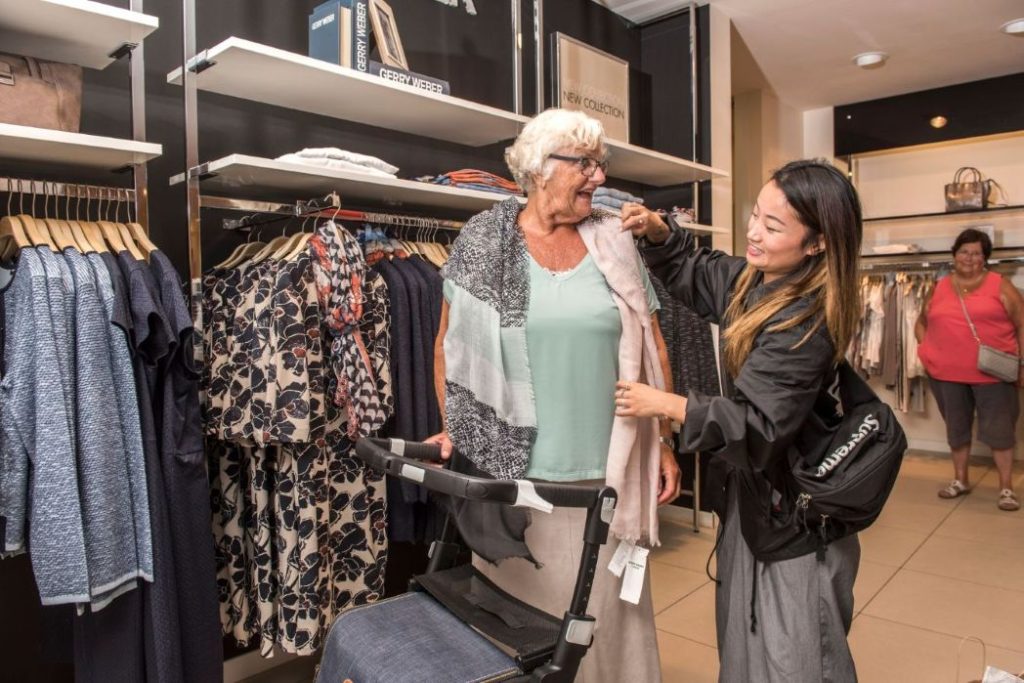
Photo by Rollz International
When to Use Gowns and Gloves
In healthcare settings, protective clothing like disposable gowns and gloves is standard for preventing the spread of infection. While your home may not be a hospital, there are times when these items are needed.
If you are dealing with incontinence, open wounds, or any situation with potential exposure to body fluids, wearing a gown and gloves can protect your own clothing and skin.
This is a crucial part of Standard Precautions as outlined by the CDC.
In nursing homes, Enhanced Barrier Precautions use gowns and gloves to prevent the spread of multidrug-resistant organisms, especially in residents with wounds or medical devices. For a home caregiver, a simple reusable apron can provide excellent protection for your clothes and can be easily washed.
The goal should always be to protect yourself and your patient while maintaining a safe environment.
A reusable gown can be safely laundered and reused, making it a practical choice for home care. This is one of those essential clothing items that act as a barrier, giving you peace of mind and allowing you to focus on the person in your care.
Eleanor Gaccetta’s One Caregiver’s Journey offers a profound and personal look at the challenges and triumphs of long-term caregiving.