Photo by SHVETS production
How caregivers should respond when a dementia patient talks to themselves is a question many families quietly struggle with.
One moment, your loved one seems calm; the next, they’re holding a conversation with someone who isn’t there. It can feel confusing, even unsettling. But this behavior is more common than many people realize, especially in conditions like dementia and Alzheimer’s disease. Understanding what’s happening—and reacting with patience—can make daily caregiving far less stressful for everyone involved.
Here’s the thing: learning how caregivers respond to dementia behaviors often begins with understanding that talking to oneself isn’t always a problem that needs to be stopped. Sometimes it’s simply the brain trying to make sense of a world that no longer feels predictable.
When Talking to Themselves Is the Brain’s Way of Coping
People with dementia often experience memory gaps, sensory confusion, or vivid recollections from the past. When they speak out loud to themselves, they may be:
- Replaying old memories
- Processing anxiety or frustration
- Imagining conversations with familiar people
- Responding to hallucinations or misinterpretations
Think of it like the mind filling in missing pieces of a puzzle. The brain searches for patterns it once understood.
In practical caregiving work, recognizing this pattern is central to dementia behavior management. Not every unusual behavior needs correction. Sometimes the best response is quiet observation.
First Rule: Stay Calm and Observe
One of the most important lessons in how caregivers should respond is surprisingly simple: pause before reacting.
If the conversation your loved one is having with themselves seems calm or neutral, it may not require intervention at all. Many dementia specialists recommend observing first. Is the person relaxed? Are they smiling? Are they simply narrating a memory?
In these cases, interrupting may cause unnecessary distress.
On the other hand, if the person appears frightened or agitated, that’s a signal to gently step in. Your role becomes less about correcting reality and more about offering reassurance.
Don’t Argue With Their Reality

Caregivers often make the mistake of trying to correct what they believe is inaccurate thinking.
For example:
A parent with dementia might say, “Your father is in the kitchen.”
You know your father passed away years ago.
The instinct is to respond, “No, he isn’t.”
But experienced clinicians emphasize that arguing rarely helps. Instead, validation works better.
A response like this keeps the conversation peaceful:
“You’re thinking about Dad. He meant a lot to you.”
This approach respects emotional truth even when factual memory is distorted. It’s a key part of dementia communication support, which focuses on empathy rather than correction.
Gentle Redirection Can Work Wonders
When talking to themselves becomes distressing or repetitive, redirection often helps. This technique is widely used in Alzheimer’s caregiver strategiesbecause it shifts attention without confrontation.
Try simple transitions such as:
- Offering a snack or drink
- Suggesting a short walk
- Turning on familiar music
- Looking through family photos
The goal is subtle. You’re not forcing a change, but you’re guiding it.
And yes, sometimes the conversation will start again. That’s normal. Learning how caregivers should respond includes accepting that repetition is part of the condition.
Watch for Emotional Clues
Talking to oneself can also signal an unmet need.
Caregivers who learn how caregivers should respond often become skilled observers of small emotional signals.
Ask yourself:
- Does the person seem lonely?
- Are they tired or overstimulated?
- Is the room too noisy or confusing?
A quiet environment can sometimes reduce these behaviors. Soft lighting, familiar routines, and predictable daily rhythms help the brain feel safer.
Honestly, dementia care often resembles detective work. You test possibilities. Some work; others don’t. Over time, patterns appear.
How Caregivers Should Respond When Hallucinations Are Involved
Sometimes talking to oneself reflects visual or auditory hallucinations. This can occur in several forms of dementia, including Alzheimer’s disease and Lewy body dementia.
In these situations, how caregivers should respond becomes especially important.
A helpful approach includes:
- Acknowledging the emotion rather than the hallucination
- Offering calm reassurance
- Checking whether lighting or shadows might be confusing the person
For instance, instead of saying “There’s no one there,” try:
“That sounds upsetting. I’m here with you.”
This small shift protects trust between caregiver and patient.
If hallucinations cause distress or become frequent, it’s wise to consult a healthcare professional. Resources from organizations such as the Alzheimer’s Association offer detailed guidance on managing symptoms and caregiver stress. Their educational materials can be found here: https://www.alz.org.
Reliable information helps caregivers feel less alone.
A Story Many Caregivers Will Recognize
If you’re caring for a loved one with dementia, you may already recognize the emotional ups and downs described here. Books written by caregivers themselves often capture these moments with honesty.
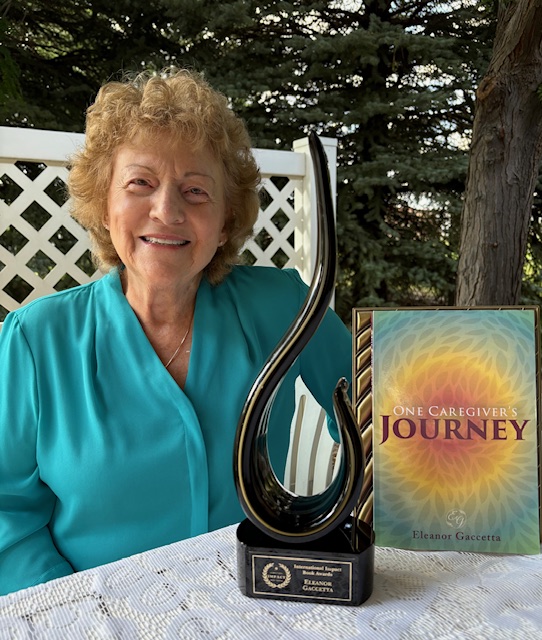
One that resonates strongly with many families is One Caregiver’s Journey by Eleanor Gaccetta. In this heartfelt memoir, the author shares what it was like to care for her mother around the clock for nine and a half years until her mother passed away at age 102.
Through humor, difficult moments, and practical suggestions, Gaccetta offers a realistic portrait of caregiving across the many stages of aging and illness.
For caregivers searching for guidance, reassurance, and a sense of companionship along the way, One Caregiver’s Journeyoffers something rare: a roadmap drawn from lived experience. Many readers finish the book feeling understood—and far less alone in their caregiving role.