
Watching a loved one live with dementia is a challenging journey. Some of the most difficult moments for caregivers involve changes in personal hygiene and behavior. One of the most distressing and misunderstood behaviors is when a person with dementia begins to play with, or smear, their own poop (feces).
If you are facing this, please know this first: You are not alone. This behavior, while upsetting, is not a personal attack on you. It is not something your loved one is doing “on purpose” to be difficult. It is a heartbreaking symptom of a devastating disease.
This article will help you understand why this happens. We will explore the medical and emotional reasons behind it. Most importantly, we will share compassionate and practical strategies to help you manage this behavior while caring for your own well-being.
Understanding Dementia: It’s More Than Just Memory Loss
Dementia is not a single disease. It’s a general term for a decline in mental ability that is severe enough to interfere with daily life. Diseases like Alzheimer’s are the most common causes. Dementia damages and kills brain cells. This damage affects much more than memory.
The brain is like a company’s headquarters. Different departments handle different tasks—memory, judgment, impulse control, and recognizing social rules. As dementia progresses, these “departments” begin to shut down.
- The part that says, “That is waste, and it is unsanitary” may stop working.
- The part that controls impulses, telling us not to touch certain things, can get damaged.
- The part that helps us recognize what something is (like identifying feces) can fail.
As the Alzheimer’s Association explains, these behaviors are a direct result of brain changes. The person is not trying to be messy or cause you stress. They are reacting to a world that has become confusing and frightening. Understanding who is responsible for dementia care can help you navigate this complex role with more clarity and confidence.
Why Do Dementia Patients Play with Poop? The Key Reasons
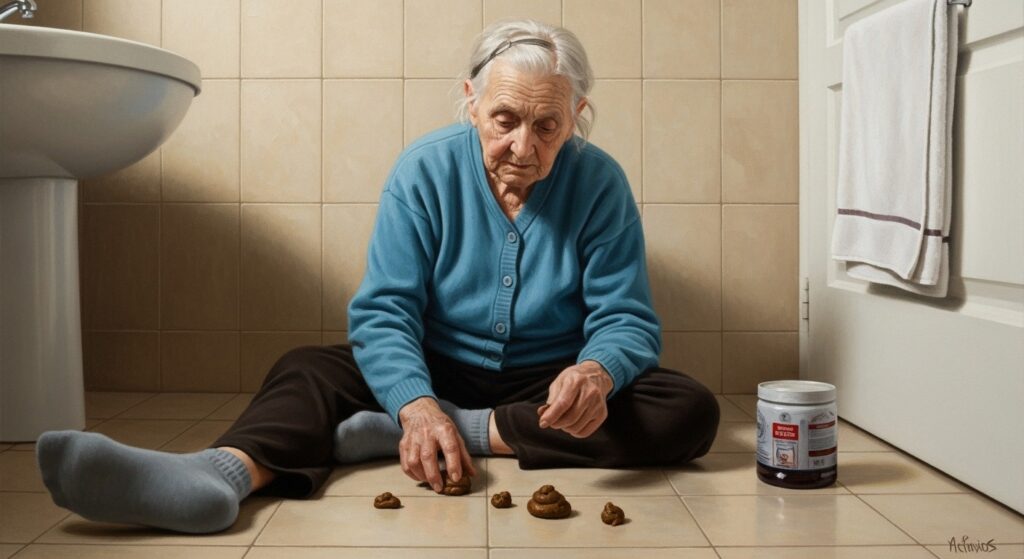
This behavior, clinically known as scatolia or fecal smearing, usually happens for a combination of reasons. Let’s break down the most common causes.
A. Neurological Causes: The Brain is Changing
The most fundamental reasons are rooted in the physical damage to the brain.
- Loss of Impulse Control and Judgment: The frontal lobe of the brain is our “manager.” It helps us make good decisions and control our impulses. When this area is damaged by dementia, the person may see their poop and have an immediate urge to touch or explore it, without the mental “stop sign” that a healthy brain would have.
- Sensory Misinterpretation: Your loved one may no longer recognize what feces is. Their brain cannot process the information correctly. It might feel like clay, mud, or just an interesting texture. They are not seeing it as something dirty or waste; they are exploring a substance without the social understanding we have.
B. Physical Discomfort or Medical Issues
Often, the behavior starts because of a physical problem that the person cannot communicate.
- Constipation: This is a very common trigger. Hard, impacted stool in the rectum can be incredibly uncomfortable or even painful. The person may reach down to try and remove the source of the pain themselves because they can’t tell you they are constipated.
- Diarrhea or Loose Stools: An unexpected bout of diarrhea can be startling and confusing. They may smear simply because they are trying to clean up the mess but don’t know how.
- Infections or Hemorrhoids: A urinary tract infection (UTI) or painful hemorrhoids can cause itching, burning, and general discomfort in the genital area. Smearing can be an attempt to scratch or soothe that irritation.
C. Psychological or Emotional Triggers
Dementia can be a lonely and frightening experience. Behavior is often a form of communication.
- Boredom or Lack of Stimulation: If a person is left alone for long periods with nothing to do, they may seek out their own stimulation. Their body becomes a source of “entertainment.”
- Anxiety and Stress: Feeling anxious, scared, or overwhelmed can trigger this behavior as a self-soothing mechanism, much like a child might rock back and forth.
- A Need for Control or Attention: When so much of life feels out of their control, a person’s bodily functions are one of the few things left they can control. The behavior can also be a powerful, if distressing, way to get a caregiver’s immediate and full attention.
D. Environmental Triggers
The world around them can make the behavior more likely.
- A Confusing Bathroom: A bathroom that is dark, has a confusing layout, or is hard to find can lead to accidents. Once an accident happens, the smearing may follow.
- Soiled Clothing: If the person has an accident and is left in soiled clothes, the discomfort and the presence of the feces can lead to smearing as they try to “fix” the problem.
- Poor Lighting: Shadows in a room or bathroom can be misinterpreted, causing confusion and accidents.
What is Fecal Smearing (Scatolia)?
Scatolia is the medical term for the smearing of feces. While it is seen in other conditions like severe autism or brain injuries, it is a known, though less common, challenge in later-stage dementia. It is crucial to view it as what it is: a symptom of the disease. It is not a deliberate act of defiance or a regression to childishness. Framing it this way is the first step toward responding with compassion instead of frustration.
How Caregivers Can Respond with Compassion and Practicality
Your reaction in the moment can either calm the situation or make it worse. Here’s how to respond effectively.
A. Stay Calm and Avoid Shame
- Take a Breath: Before you act, pause for a moment. Remind yourself: “This is the disease, not my loved one.”
- Use a Gentle Tone: Speak softly and calmly. Say things like, “It’s okay, let’s get you cleaned up.” This approach is part of developing the best qualities and skills needed to be a caregiver, such as patience and empathy.
- Never Scold or Yell: Shaming or punishing them will only increase their fear, anxiety, and confusion. They will not understand what they did wrong, but they will feel your anger, which can make the behavior happen more often.
B. Address the Underlying Causes
Your first step should be a call to the doctor.
- Rule Out Medical Issues: Describe the behavior to the doctor. They will likely check for constipation, UTIs, hemorrhoids, or other infections. Tools like an MRI to detect early signs of dementia are used in diagnosis, but for new behaviors, a general medical check-up is key. Treating these can often stop the behavior completely.
- Review Medications: Some medications can cause constipation or confusion as a side effect.
C. Modify the Environment
Make small changes to prevent the behavior from starting.
- Bathroom Accessibility: Make sure the bathroom is easy to find. Use a bright, contrasting color on the toilet seat and door. Leave a light on at night.
- Simplify Clothing: Replace zippers and buttons with Velcro or elastic waistbands. This makes undressing for the toilet easier and can sometimes prevent them from removing clothes and having an accident in the first place. Back-fastening clothing or onesies can be helpful for some.
- Be Prepared: Keep a cleanup kit handy—gloves, wet wipes, spare clothes, and plastic bags—so you are not scrambling in a stressful moment.
D. Provide Behavioral and Emotional Support
- Create a Toileting Schedule: Take them to the bathroom on a regular schedule (e.g., every 2-3 hours, and after meals). This can prevent accidents.
- Offer Engaging Activities: Keep their hands busy. Provide a “fidget blanket,” putty to squeeze, soft dolls, or simple sorting tasks. This gives them a positive outlet for their need to touch and explore.
- Establish a Routine: A predictable daily routine reduces anxiety. Knowing what comes next can make them feel safer and less likely to act out. Learn more about the power of establishing routines for dementia care to create a calmer environment.
When to Seek Professional Help
You do not have to manage this alone. It’s time to seek more help if:
- The behavior is persistent and you cannot find a cause.
- You suspect a medical issue like severe constipation.
- It is leading to skin infections or other health problems for your loved one.
- You are feeling overwhelmed, depressed, or burned out.
Professionals who can help include:
- A Geriatrician: A doctor specializing in elderly care.
- An Occupational Therapist: They can provide brilliant practical strategies for daily living and environmental modifications.
- A Dementia Care Specialist: They can assess the situation and create a tailored behavior management plan. In some cases, exploring the difference between memory care vs. dementia care can help you decide if a specialized facility is the right next step.
Preventive and Practical Tips for Daily Care
- Promote Bowel Health: Encourage fluids and serve easy meals for dementia patients that are rich in fiber (like prunes, applesauce, and whole grains) to prevent constipation. Talk to their doctor about a stool softener if needed.
- Use Visual Cues: A picture of a toilet on the bathroom door can serve as a clear reminder.
- Positive Reinforcement: When they use the toilet successfully, offer gentle praise like, “Well done! That was great.”
The Emotional Impact on Caregivers: Your Feelings Matter
It is completely normal to feel disgust, frustration, embarrassment, and deep sadness when dealing with this behavior. The mental strain on a caregiver is significant and very real. Your well-being is not a luxury; it is a necessity.
- Acknowledge Your Feelings: It’s okay to feel upset. You are human.
- Take Breaks: Use respite care services, even for a few hours, so you can rest.
- Find Your Support System: Talk to a trusted friend, join a support group for navigating dementia, or see a therapist. Connecting with others who understand is incredibly powerful. This is true even for moments of remote connection, like when you’re learning how to talk to someone with dementia on the phone.

Find Encouragement in the Caregiving Journey
One Caregiver’s Journey
By Eleanor Gaccetta
Genre: Memoir / Family Caregiving
Caring for a loved one can bring moments of joy, exhaustion, and uncertainty. In One Caregiver’s Journey, Eleanor Gaccetta shares heartfelt memories, humor, and practical insights from nine and a half years of caring for her mother. Discover a personal story that reminds caregivers they are not alone.
Find Your Copy on AmazonFrequently Asked Questions (FAQs)
1. Is fecal smearing common in dementia?
While not the most common behavior, it is a well-documented symptom, especially in the middle to later stages of the disease. You are not alone in experiencing this.
2. How can I stop my loved one from smearing poop?
There is no single “fix.” The best approach is to understand the cause. Work with a doctor to rule out medical problems, modify their environment, keep their hands busy with other activities, and maintain a calm, reassuring attitude.
3. Should I be worried if this behavior suddenly starts?
A sudden change in behavior often signals a new medical problem, like a urinary tract infection or severe constipation. You should contact their doctor as soon as possible for a check-up.
4. Can medication help with this behavior?
In some cases, if the behavior is linked to severe anxiety or other psychiatric symptoms, a doctor might prescribe medication. However, medication is usually considered only after non-drug approaches have been tried and should always be monitored closely due to potential side effects in older adults.
5. What are the best products for cleaning and preventing smearing?
- For Cleanup: Disposable gloves, heavy-duty absorbent cloths, and a disinfectant cleaner designed for bathrooms are essential.
- For Prevention: Consider adaptive clothing that is harder to remove (like back-fastening garments), incontinence briefs (adult diapers) that are more difficult to get into, and “fidget” toys to keep hands occupied.