
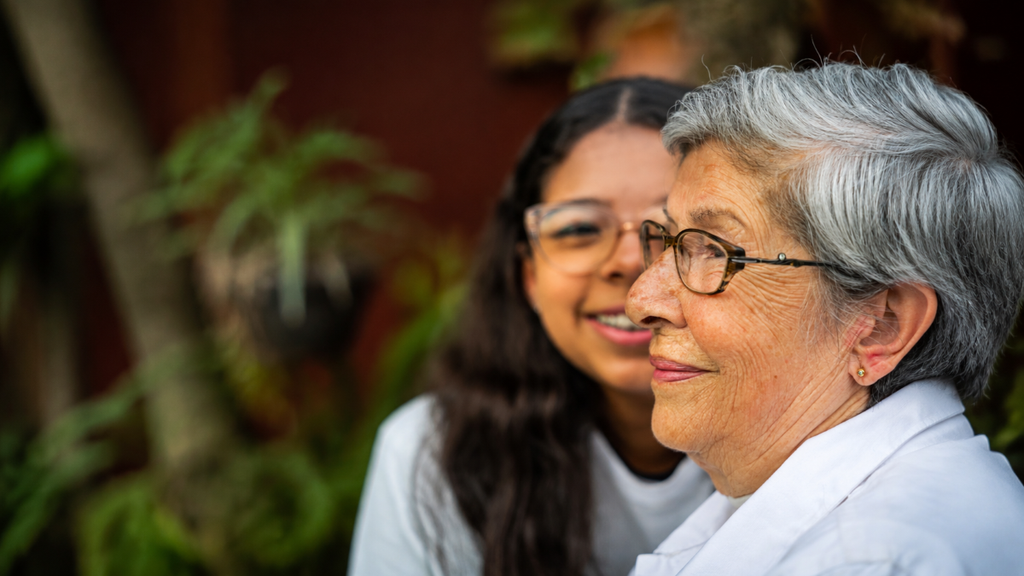
Photo by Caleb Oquendo
Many of you know I have an award-winning caregiving book, One Caregiver’s Journey. I am always interested in the trends and statistics relating to caregiving and caregivers. Recently, two major studies were released that deserve our attention. I want to ask a basic question: Who will take care of you when you are old? COVID caused families to face this question with little to no notice.
When the lockdown was announced in 2020 families rushed to relocate elderly relatives from senior care facilities to their homes. Adult children then faced the daunting challenge of maintaining careers and educating their children remotely while simultaneously learning how to provide care for elder relatives at home. The learning curve was steep. Here are some recent caregiving statistics from AARP and NAC.
In 2026 the average monthly cost for assisted living is $10,000, and $12,000 for nursing home care.
It is not surprising that the majority of the hastily assembled COVID multi-generation families still exist. In 2025 the CDC reported that 1 in 4 Americans (63 million) is a family caregiver providing care to an adult or child with a disability or complex medical condition. That is a 50% increase over the last decade. The average unpaid caregiver is 49 years old, spends 27 hours weekly providing care, and contributes an estimated $1.1 trillion annually in uncompensated services. Twnety-Four percent (24%) of family caregivers provide 40 or more hours of weekly caregiving.

The AARP 2025 Caregiving report and the National Alliance for Caregiving highlight these key changes across the country. Aging population: Most care recipients are older adults; half are age 75+ and most face multiple chronic health conditions. Workplace Disruptions: 6 in 10 family caregivers are employed, and half experience problems at work. If they do not work from home, it is exhausting trying to juggle caregiving from work and maintain careers.
The 18 million hourly wage workers lack supportive benefits like paid leave and respite services. Intensity and Complexity: Over 40% of caregivers perform complex medical tasks like administering injections, managing feeding tubes, or dementia supervision, yet only 22% receive training. Health and Financial Strain: Caregiving takes an enormous toll on physical and emotional wellbeing and 20% of caregivers report their health as poor. One in 4 are taking on debt due to caregiving, not saving money, or using up short-term savings. One in five cannot afford basic needs like food. Paid Caregivers: For the first time, the reports include 11 million caregivers who receive some compensation through Medicaid, VA, or other state programs. These caregivers are more likely to be younger, lower-income, and from diverse backgrounds. Children: More than 2 million children were orphaned due to one or both parents dying from COVID. No information exists on their current status or wellbeing.
Today, 5 million children between the ages of 10 and 17 are responsible for assisting in the daily care of elderly relatives while their parents’ work.
These statistics, regardless of the age of whoever is reading this, are staggering. Six years after the COVID pandemic, issues related to caregiving have become one of the country’s biggest challenges. Taking the initiative to have these difficult family discussions is necessary. Because at some point in our lives we will all face either being a caregiver or needing care. Plan ahead to gather important documents and information for making emotional, financial, and medical decisions. Have those difficult discussions to ensure you receive humane and loving care when you need it.
To know more about caregiving challenges from a personal point of view, you can check out my book, One Caregivers Journey.