


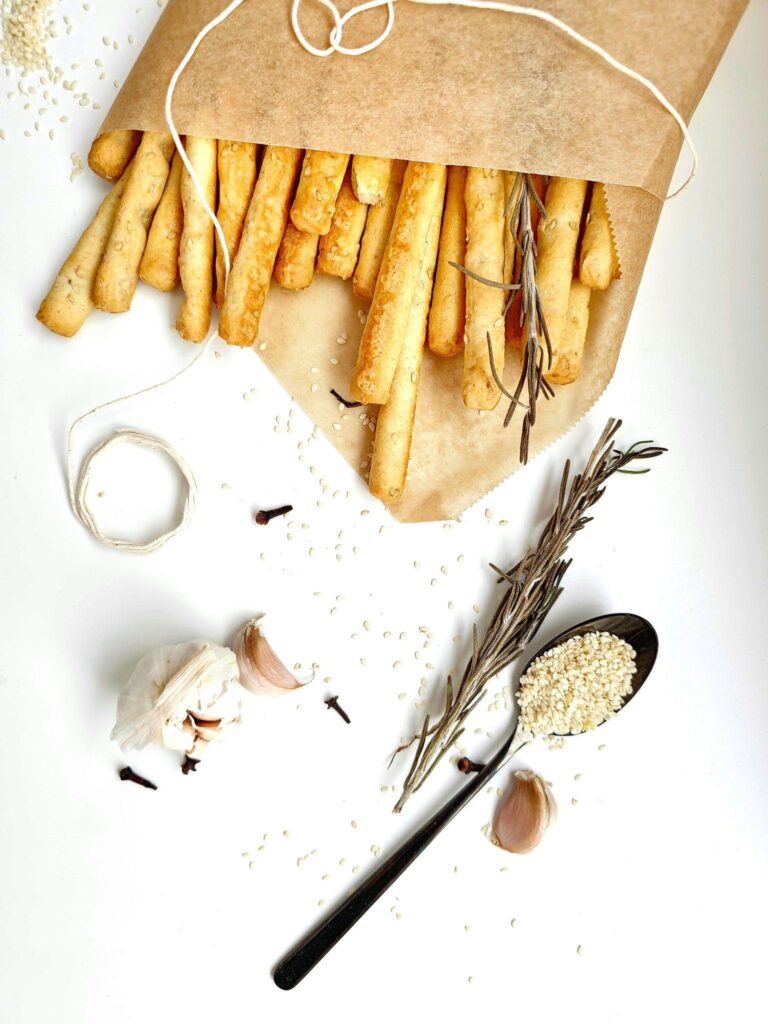
Photo by Olga Petnyunene on Unsplash
Classic bread recipes come alive at your kitchen table. You feel the dough under your hands.
You smell warm, sweet dough rising. You taste rich, soft bread. You find comfort. You learn tradition. You make memories. You explore classic bread recipes that bring family and friends together.
Why These Classic Bread Recipes Matter
Classic bread recipes matter because they anchor us. They link us to the past, our families, and our cultures. We share stories when we bake. We connect through simple ingredients. These recipes tug us to pause. They ask us to knead with care. They teach us tradition.
In these pages, you will read about Easter bread and homemade breadsticks. You will learn steps that feel reliable. You will see how to shape tradition and flavor with your hands. The post opens with classic bread recipes you can trust and return to. It guides you, clearly and calmly.
Easter Bread: A Touch of Celebration
Easter bread brings light. It brings sweetness. It brings a shaped promise of spring.
Ingredients
- 4 cups all-purpose flour
- ½ cup sugar
- 2¼ tsp (1 packet) active dry yeast
- ¾ tsp salt
- ½ cup warm milk (110°F)
- ½ cup warm water (110°F)
- 3 large eggs, at room temp
- 2 tsp vanilla extract
- Zest of 1 orange (optional)
- ¼ cup melted butter, cooled
- 1 egg, beaten with 1 tbsp water for wash
- Sprinkles or colored sugar (optional)
Instructions
- In a medium bowl, stir warm milk, water, sugar, and yeast. Wait 5–10 minutes until foamy.
- In a large bowl, whisk flour and salt.
- Add yeast mix, eggs, vanilla, and orange zest to dry mix.
- Stir until dough forms. Mix in melted butter.
- Turn dough onto floured surface. Knead 8–10 minutes until smooth, elastic.
- Place dough in an oiled bowl. Cover. Let rise in a warm spot for about 1 hour, until doubled.
- Punch down gently. Let rest 10 minutes.
- Divide into sections, braid or shape rounds.
- Place on baking sheet. Let rise 30 minutes.
- Brush with egg wash. Add sprinkles if you like.
- Bake at 350°F for 25–30 minutes. Bread should sound hollow when tapped.
- Cool on wire rack.
Enjoy warm or at room temperature. Easter bread shines with richness and a soft crumb. It suits family gatherings. It links your table to generations of bakers who made this same dough.
Breadsticks: Simple and Fun
Breadsticks offer a crisp, airy bite. You can serve them with soup, salad, or just at a snack table.
Ingredients
- 3 cups all-purpose flour
- 1 packet (2¼ tsp) active dry yeast
- 1 tsp salt
- 1 tbsp sugar
- 1 cup warm water (110°F)
- 2 tbsp olive oil
- Optional: garlic powder, Parmesan, herbs for topping
Instructions
- In a bowl, stir warm water, sugar, and yeast. Wait until foamy.
- In a large bowl, whisk flour and salt.
- Add yeast mix and olive oil to dry ingredients.
- Stir until dough forms.
- Knead 5–7 minutes until dough is smooth.
- Let rest 5 minutes.
- Roll into long logs. Cut into sticks (6-8 inches).
- Place on baking sheet, leaving space between sticks.
- Let rise 20 minutes.
- Preheat oven to 425°F.
- Brush with water or egg wash. Sprinkle with garlic powder, herbs, Parmesan.
- Bake 12–15 minutes until golden.
Serving tip: pair with your favorite sauce or soup. These are quick, fresh, and crowd-pleasing.
This post offers breadstick baking tips that will help. From controlling rise time to using a sharp cutter, you can make each stick crisp and light. Use a light touch when shaping. Let them rest but not over-rise. Bake at high heat for just the right crunch.
How These Classic Bread Recipes Link Tradition and Home
These recipes feel familiar. They use ingredients you already keep on hand. You knead, you wait, you bake, you eat. The process invites patience. It rewards you with comfort.
“Classic bread recipes” such as these reflect a rhythm. They follow a simple path: mix, knead, rise, bake. You follow it and you learn it. You repeat it. You pass it on.
These recipes act like a seed. You start with the basics. You build variations. You can flavor Easter bread with citrus, anise, or nuts. You can top breadsticks with sesame or rosemary. You adapt and still hold tradition.
Tips to Bake with Confidence
- Measure well. Accurate flour measurement keeps dough texture steady.
- Use warm liquids—not hot—so yeast wakes gently.
- Check dough under your finger. It should stretch slightly.
- Knead gradually. Stop when dough feels smooth and elastic.
- Rise in a warm, draft-free place. A turned-off oven with light on works well.
- Watch your oven. Every oven varies. Check early for doneness.
These steps reinforce your trust in these classic bread recipes and build skill.
Why These Recipes Work Well at Your Table
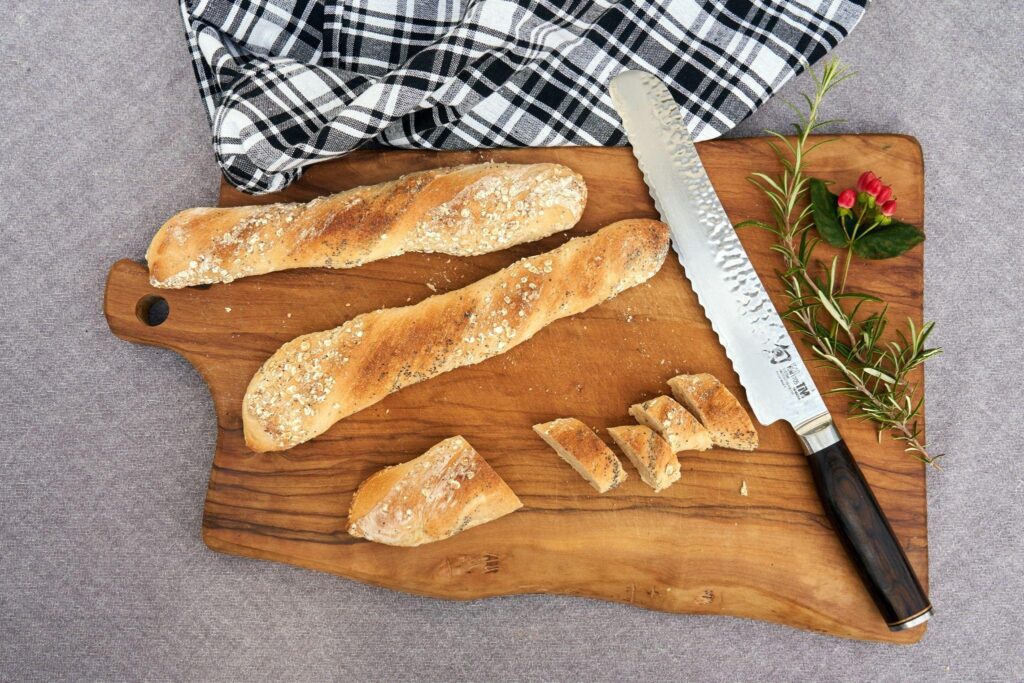
Photo by Wolfgang Hasselmann on Unsplash
Stay clear, calm, confident. No missing steps. No frills. Just results.
Easter bread brings celebration. You can share slices warm, sweet, fragrant. You see smiles, you hear “This tastes like home.”
Homemade breadsticks bring ease. You drop them on the table. Guests reach. You know you made them softly crisp, gently seasoned.
These are reliable recipes. You can bake them again. You can invite them into your routine. They hold the feel of tradition and yet welcome your own touch.
They also tie into the larger family of “homemade bread recipes.” You may explore similar doughs—soft rolls, sweet knots, garlic twists—using the same base techniques. Once you know how to knead a soft dough, you can expand with ease. That versatility makes classic bread recipes a foundation you value.
A Note on Authentic Roots and a Source to Explore Further
If you love simple, authentic recipes passed down through generations, you will enjoy further inspiration in a well-regarded compilation. Many bakers turn to trusted cookbook wisdom to fuel creativity. The Generations of Good Food collection offers that kind of reliable, heartfelt guidance. It features nearly 200 straightforward recipes, from breads to sweets, rooted in Italian family kitchens.
For example, Italian Easter breads carry richness, subtle citrus notes, and soft crumb. Breadsticks—grissini—showcase crispness and flavor. The book brings stories, warmth, and trustworthy recipes to your home.
Stretching This Work Into Your Weekly Baking
You may turn these recipes into weekly staples:
- Sunday brunch: Bake Easter bread in advance, serve warm or toasted.
- Dinner starter: Pull fresh breadsticks from the oven with soup or salad.
- Kids’ activity: Let children shape dough. They will love the texture and smell.
- Twist recipes: Add cheese or herbs to sticks; citrus glaze on Easter loaf.
Master these. Then branch out. You’ve built a base. These classic bread recipes will stay in your recipe box. You’ve earned that trust.
Wrapping Up with Calm Confidence
All bakers start simple. They mix. They knead. They bake. These classics teach you the core. You repeat them and you grow.
You carry forward tradition, gently modernized. You taste joy. You connect. You bake again.
What Now!
If these recipes make you want more, you may enjoy the warmth and variety in Generations of Good Food by Eleanor Gaccetta. This heartfelt cookbook brings nearly 200 simple yet flavorful recipes tied to six generations of Italian family life. You’ll find Easter breads, pastas, sweets, and even breadsticks—and stories that bring every dish to life. Let its pages inspire your baking and your table.
