Understanding the distinction between empathy and sympathy transforms caregiving from a series of difficult tasks into a relationship of genuine healing.
The difference between empathy and sympathy may seem subtle, but its impact on patient outcomes, caregiver burnout, and the quality of care is profound.
Choosing caregiving empathy vs sympathy appropriately can mean the difference between a patient who feels truly seen and one who feels pitied and dismissed.
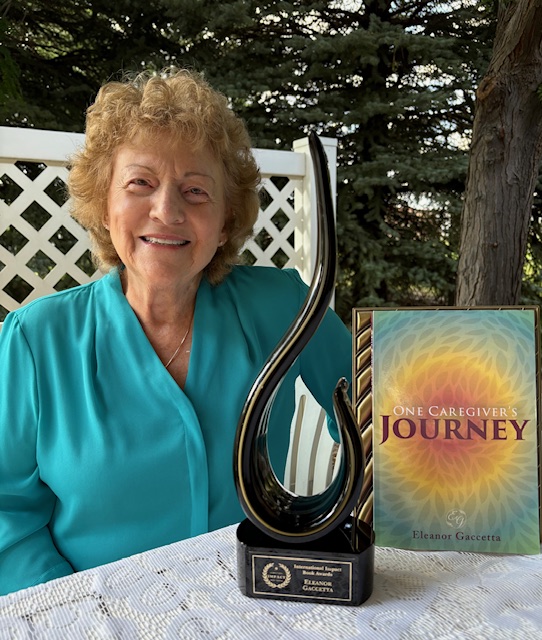
Eleanor Gaccetta’s One Caregiver’s Journey illustrates this principle in action, showing how her deep emotional presence with her mother helped sustain them both through the various challenges in the years leading to her mother’s passing.
This article explores why empathy matters more in caregiving, when sympathy is appropriate, and how caregivers can develop genuine empathetic connections without succumbing to emotional exhaustion.
The Difference Between Empathy and Sympathy
Empathy, in a simple definition, is the ability to understand and share another person’s emotions. It is “feeling with someone”—entering into their emotional experience as if it were one’s own, while maintaining the awareness that it belongs to the other. Furthermore, empathy requires imagination, presence, and the willingness to temporarily set aside one’s own perspective.
On the other hand, sympathy is an acknowledgment of another person’s emotional distress without necessarily building a deep connection of shared feeling. It is “feeling for someone”—recognizing that they are suffering while observing that situation from a distance. Sympathy often manifests as pity, concern, or commiseration without true emotional resonance.
Why Empathy Matters More in Caregiving
Caregiver emotional support delivered empathetically creates a foundation of trust that improves every aspect of care.
1. Builds Trust Between Caregiver and Patient
When a caregiver truly hears a patient’s fear without minimizing or dismissing it, trust deepens. The patient learns that emotional safety is present, making them more likely to report symptoms, ask questions, and follow care plans. Presence can build trust, strengthening relationships.
2. Improves Emotional and Mental Well-Being
Patients who feel understood experience less anxiety and depression. The validation of emotion reduces the physiological stress response, which in turn supports physical healing. A compassionate care approach is an active contributor to better outcomes.
3. Encourages Cooperation and Openness
In many circumstances, patients who feel judged or pitied often withdraw or become defensive. Those who feel understood are more likely to share critical information, follow medication schedules, and accept necessary assistance.
4. Supports Long-Term Healing
Healing is not only physical. The emotional wounds of chronic illness, disability, and aging require attention. Empathy addresses those wounds, supporting the patient’s sense of dignity and self-worth throughout the care journey.
When Sympathy Is Helpful in Caregiving
Sympathy is not useless; it has appropriate applications. A patient understanding caregiving technique recognizes that different situations call for different responses.
Emergency situations may require quick acknowledgment without emotional immersion. A caregiver cannot stop to process feelings while stopping bleeding. A brief “I see you’re hurt; help is coming” is sympathetic but appropriate.
Professional boundaries sometimes require distance. When a caregiver’s own emotional reserves are depleted, sympathy allows acknowledgment without further depletion. Recognizing one’s limits is wisdom.

Find Encouragement in the Caregiving Journey
One Caregiver’s Journey
By Eleanor Gaccetta
Genre: Memoir / Family Caregiving
Caring for a loved one can bring moments of joy, exhaustion, and uncertainty. In One Caregiver’s Journey, Eleanor Gaccetta shares heartfelt memories, humor, and practical insights from nine and a half years of caring for her mother. Discover a personal story that reminds caregivers they are not alone.
Find Your Copy on AmazonReal-Life Caregiving Scenarios (Empathy vs Sympathy in Action)
Scenario 1: Patient in Emotional Distress
An optimistic patient who has just received a difficult diagnosis begins to cry. A sympathetic response might be, “Don’t cry; everything will be okay.” An empathetic response is silence followed by, “This is so hard. I’m here with you.”
Scenario 2: Chronic Illness Fatigue
A patient with a long-term condition expresses exhaustion with ongoing treatment. Sympathy says, “At least you’re alive.” Empathy says, “I can only imagine how exhausting this constant battle is.” Emotional caregiving skills include knowing that validation supports resilience.
Scenario 3: Family Conflict Situations
In some cases, family members argue about care decisions while the patient is present. Sympathy seeks to quickly quiet the conflict, prioritizing peace over processing. Empathy acknowledges the distress: “Everyone here loves you, and the disagreement is about how to show that love. That must feel awful.” This approach validates the patient’s experience without taking sides.
How to Practice Empathy as a Caregiver (Step-by-Step Guide)
Step 1: Active Listening
Active listening means focusing entirely on the speaker without planning a response. And so, it means hearing not only words but the emotion beneath them. Is the care recipient happy or afraid?
Step 2: Validate Emotions
Validation means acknowledgment. Saying “I can see why you would feel that way” honors the patient’s experience without necessarily endorsing their conclusions. Even in their current arrangement or situation, their emotions are important.
Step 3: Avoid Fixing Immediately
The urge to solve problems is strong, but problem-solving can wait. Often, what the patient needs is to be heard. Caregiver trust building happens in the moments before solutions are offered. And so, caregivers should remember that at all times.
Step 4: Be Present Without Judgment
Empathy requires setting aside one’s own judgments about whether the patient’s reaction is appropriate, proportionate, or reasonable. Their experience is real to them. Presence without judgment creates safety.
Balancing Empathy and Boundaries
Emotional Detachment vs Emotional Awareness
Detachment is dangerous as it leads to dehumanization. Awareness—knowing one’s own emotional state while remaining present to another’s—is the goal. A compassionate care approach balances presence with protection of one’s own emotional resources.
Staying Compassionate Without Over-Involvement
Professional caregivers must learn to enter the patient’s emotional world temporarily, then exit. This skill requires practice and self-awareness. The goal is not detachment but flexible connection.
Key Takeaways for Caregivers
- Empathy builds connection; sympathy creates distance between caregiver and care recipient. Choose accordingly.
- Validation does not require agreement. Instead, the caregiver has to acknowledge the patient’s experience.
- Active listening precedes problem-solving. Hear before you fix anything.
- Boundaries protect the capacity for empathy. Set them without feeling guilt.
- Empathy is a skill that can be developed through practice, continuous patience, and study.
Developing Your Empathetic Side
The distinction between empathy and sympathy is lived daily in every caregiver-patient interaction. Caregiving empathy vs sympathy choices shape whether patients feel heard or dismissed, connected or isolated, honored or pitied.
Eleanor Gaccetta’s nine-and-a-half-year journey with her mother demonstrates that empathy—the willingness to enter another’s emotional world without trying to fix it—can sustain both caregiver and recipient through the most difficult transitions.
Sympathy has its place, but empathy is the deeper, more healing gift. The caregiver who masters this distinction brings not only skilled hands but also a connected heart to the work of care. So, take the time to get a copy of One’s Caregiver’s Journey today!