Every day, millions of family caregivers wake up with a knot in their stomach, a racing heart, and the heavy weight of responsibility pressing on their shoulders. The fear of making a mistake, the dread of watching a loved one decline, and the anxiety about an uncertain future are constant companions on this journey.
Understanding how caregivers overcome fear is not just about managing emotions; it is about survival, sustainability, and the preservation of the very capacity to care.
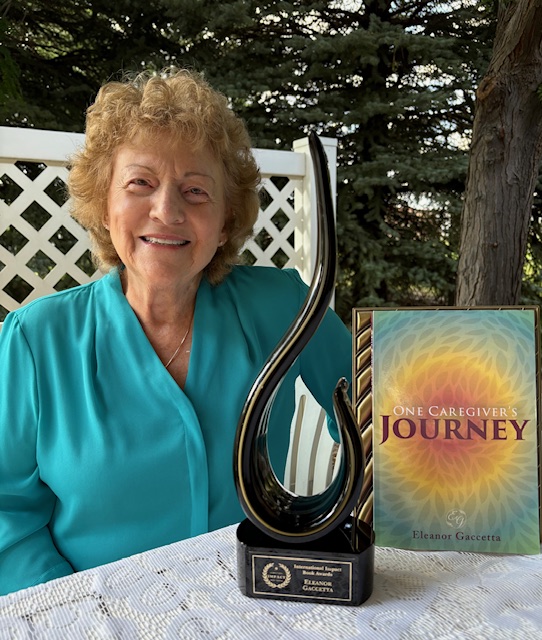
Eleanor Gaccetta’s One Caregiver’s Journey chronicles nine-and-a-half years of caring for her mother. The book offers a powerful testament to the reality of caregiving fear—and the practical strategies that enabled endurance. This guide provides a complete framework for transforming fear from an overwhelming obstacle into a manageable part of the caregiving experience.
Why Fear Is Common in Caregiving
Caregiving fear is a natural response to an extraordinarily demanding role. The emotional weight of observing someone you love struggle, decline, or suffer triggers deep-seated anxieties that even the most resilient individuals cannot ignore.
1. The Emotional Reality of Caring for Someone You Love
The caregiver’s bond with the care recipient is what makes the role both beautiful and terrifying. Love amplifies every worry. This hypervigilance, while understandable, can become paralyzing without proper management. Caregiving anxiety management begins with acknowledging that these fears, while painful, are evidence of deep care, not evidence of incompetence.
2. Fear of Making Mistakes
A simple mistake can lead to catastrophic consequences. This fear is compounded by the reality that caregiving often involves tasks that are difficult to understand or complete.
3. Fear of Losing Control
The caregiving journey is unpredictable. Some days are quiet, while others are chaotic. This unpredictability breeds a fear of losing control over life, schedule, and future.
4. Fear of the Unknown Future
What happens if the caregiver becomes ill? What happens when resources run out? What happens when the loved one’s needs exceed what can be provided at home? These questions haunt even the most dedicated caregivers.
Types of Fear Caregivers Experience
1. Medical and Health-Related Anxiety
The fear of missing a symptom, administering medication incorrectly, or failing to recognize an emergency is constant. For instance, some caregivers wake up late at night just to check their care recipient. This vigilance, while necessary, can become exhausting without strategies to distinguish genuine warning signs from routine variations.
2. Emotional and Psychological Fear
The fear of losing the person behind the illness is particularly acute in dementia care. Watching a loved one forget names, faces, and shared history creates a grief that begins long before death. Caregiver emotional resilience requires finding ways to connect with the person who remains, even when memory fades.
3. Financial and Responsibility Stress
The cost of care—medications, equipment, home modifications, and potential loss of caregiver income—creates real financial fear. Moreover, the economic impact of caregiving is substantial, and the fear of financial ruin is legitimate.
4. Fear of Burnout and Exhaustion
Caregivers fear reaching a point where they simply cannot continue. The exhaustion is not just physical; it is emotional, mental, and spiritual. The fear of burnout is the fear of failing the person who depends on you.

Early Warning Signs You Should Not Ignore
Persistent irritability, difficulty sleeping, changes in appetite, withdrawal from social connections, and feelings of resentment toward the care recipient are all warning signs. Caregiving confidence-building begins with recognizing these signs early, before they escalate into full burnout.
Step-by-Step Framework to Overcome Caregiving Fear
Learning how caregivers overcome fear requires a structured approach that moves beyond general advice to actionable steps.
Step 1: Identify Your Specific Fear
Vague anxiety is harder to address than specific fear. For instance, detailed situations—choking, having a stroke, falling from a chair—that might actually happen, and can be addressed. From there, protocols can be made for each scenario.
Step 2: Separate Facts from Assumptions
Often, caregivers borrow trouble from the future. The “what ifs” multiply faster than actual problems. And so, it’s crucial to distinguish between genuine medical concerns and normal age-related changes. This distinction reduced unnecessary emergency room visits and the anxiety that preceded them.
Step 3: Focus on Things You Can Control
The list of things beyond a caregiver’s control is long: disease progression, medication side effects, and the healthcare system’s inefficiencies. The list of things within control is shorter but powerful: daily routines, medication schedules, communication with doctors, and self-care practices.
Step 4: Build a Support System
No caregiver should go it alone. Caregiving mental support from a small, trusted circle makes years of care possible. It also helps the caregiver release tension and worries.
Step 5: Create a Daily Stability Routine
Predictability reduces fear. When the caregiver knows what to expect, the unknown becomes less threatening. Additionally, it creates stability in an otherwise unpredictable situation.
How to Build Emotional Strength as a Caregiver
1. Developing Resilience Over Time
Resilience is not something a caregiver either has or lacks; it is something built through repeated experiences of facing fear and surviving. Each crisis navigated becomes evidence for the next challenge.
2. Accepting Uncertainty Without Panic
Accepting uncertainty means releasing the illusion of control over outcomes while maintaining control over responses. No one can predict the trajectory of people’s lives. Caregivers have to accept that not all things can be controlled.
3. Reframing Fear into Purpose
The same heightened awareness that creates fear can be reframed as attentiveness. The same vigilance that causes anxiety can be reframed as devotion. This shift in perspective does not eliminate fear but transforms its meaning.
Communication Strategies That Reduce Fear
1. Talking to Doctors with Confidence
No matter the circumstances, preparation reduces fear. And so, it’s important to bring a written list of questions and concerns to medical appointments. Having the list prevented the anxiety of forgetting something important.
2. Communicating with Family Members
Caregivers should give time to talk with other family members. Communicating with siblings can ease burdens and anxieties. Additionally, regular communication ensured that decisions were shared and that no single person bore the full weight of responsibility.
3. Setting Boundaries Without Guilt
Saying no to social invitations or additional family requests is not selfish; it is necessary. Boundaries protect the energy required for caregiving. Caregiving mental support includes having loved ones who respect these boundaries without resentment.
You Can Overcome These Fears
Learning how caregivers overcome fear is not about eliminating the emotion entirely. Fear will accompany the caregiving journey, a shadow cast by the depth of love that makes caregiving meaningful. However, fear should not be leading the story.
The key is not waiting until fear disappears but learning to act in its presence. Every caregiver who takes that step—identifying one fear, implementing one strategy, reaching out to one person—builds the resilience needed for the road ahead. Eleanor Gaccetta’s book, One Caregiver’s Journey, is an excellent guide that helps caregivers navigate their everyday lives. Grab your copy today!