
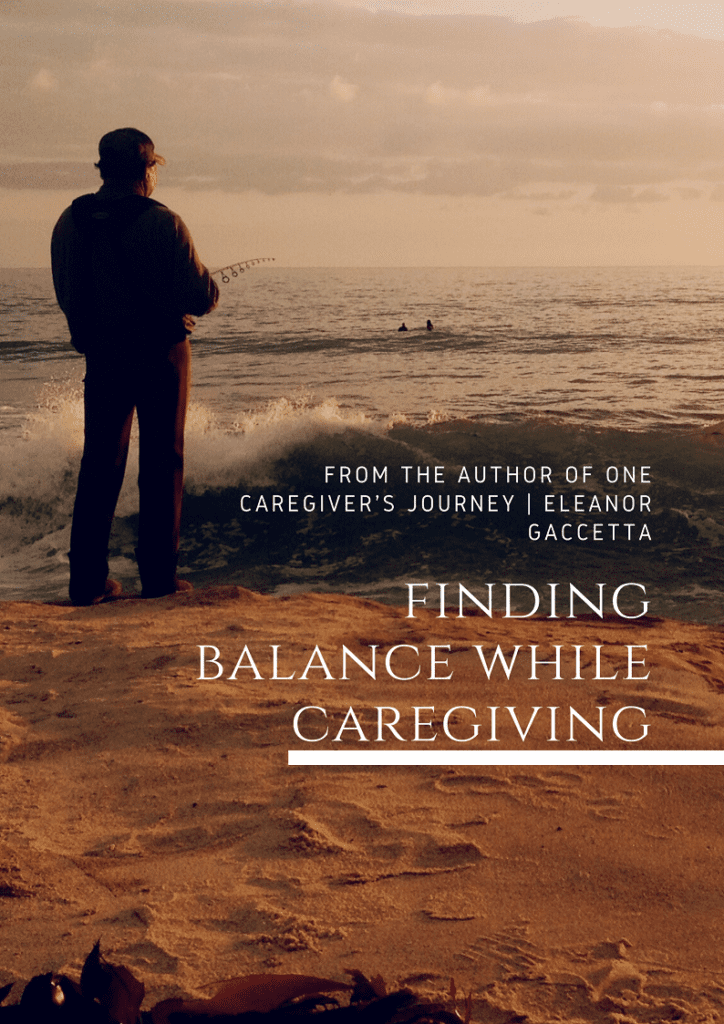
You wake up tired. You go to bed tired. Somewhere in between, you help someone else eat, walk, remember their pills, or get to a doctor’s appointment. You love them. You also feel stretched too thin.
That heavy feeling in your chest? That is caregiver stress. And you are not alone in it.
Balance for caregivers does not mean a perfect schedule or a calm house. It means having small pockets of your own life left at the end of the day. It means sleeping enough. Eating a real meal. Laughing at something other than a commercial.
This article gives you practical coping strategies. No vague advice like “just relax more.” Real steps that work even on your hardest days.
You will learn how to spot burnout early. You will find ways to set boundaries without guilt. You will see why taking care of yourself actually helps the person you support.
Let us start with why this feels so hard.
Why Caregiving Can Feel So Overwhelming
Caregiving starts small for most people. A ride to the pharmacy. Help with groceries. Then it grows. Soon you manage medications, track appointments, handle bills, and provide emotional support. All while doing your own job, raising kids, or keeping a home.
The weight adds up slowly. That makes it dangerous. You do not notice how heavy the load is until you cannot stand up straight.
You see the obvious tasks. Bathing. Dressing. Cooking. But hidden demands drain you faster.
You remember every allergy. Every medication time. Every doctor’s question you need to ask. You track moods, sleep patterns, and appetite changes. You worry during the night. You plan for emergencies that may never happen.
These invisible tasks live in your head 24 hours a day. That mental load tires you more than physical work.
Why guilt, exhaustion, and frustration often happen together
You feel exhausted. Then you feel guilty for being tired. Then you feel frustrated that you feel guilty. This cycle repeats daily.
Here is what happens. You love the person you care for. You also miss your old life. Both feelings are true at the same time. You can love someone and still feel worn out by their needs.
Guilt arrives when you think, “I should want to do this.” Frustration arrives when you think, “I cannot keep doing this.” Exhaustion is the result of both.
The difference between healthy responsibility and burnout
Healthy responsibility means you give care and still have energy for yourself. You sleep well. You eat regularly. You see friends sometimes. You feel tired but not broken.
Burnout means caregiving takes everything. You stop sleeping. You skip meals. You snap at people. You feel nothing when you used to feel love. You think about running away.
Healthy responsibility has limits. Burnout has no limits left. You want to stay in healthy responsibility. That requires knowing when to pull back.
Signs Your Life May Be Out of Balance
Your body tells you first. Then your emotions. Then your relationships. Learn to read the signs early. That stops small problems from becoming big crises.
Physical signs of caregiver stress
Your body shows stress before your mind admits it. Watch for these signs:
- Headaches that come more often
- Stomach problems or nausea
- Muscle tension in your neck and shoulders
- Getting sick more often than usual
- Feeling tired even after sleeping
- Changes in your weight without trying
- Chest pain or a racing heart
Do not ignore these. They are not “just stress.” They are warning lights on your dashboard.
Emotional and mental warning signs
Your feelings change when life gets out of balance. You may notice:
- Feeling irritable over small things
- Crying more easily or feeling numb
- Worrying constantly about things you cannot control
- Forgetting appointments or daily tasks
- Feeling hopeless about the future
- Losing interest in hobbies you used to love
These signs mean your emotional reserves are low. You need to refill them.
Relationship and work-life strain to watch for
Caregiving stress spreads to everyone around you. You might argue more with your partner. You might avoid calls from friends. Your work performance may drop.
Notice when you stop returning texts. Notice when you snap at your kids for small mistakes. Notice when you dread going to work or coming home. These are signs your caregiving load has grown too large.

Find Encouragement in the Caregiving Journey
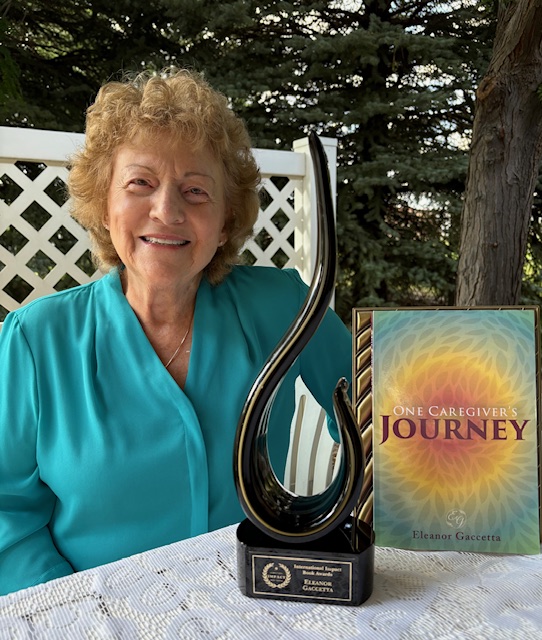
One Caregiver’s Journey
By Eleanor Gaccetta
Genre: Memoir / Family Caregiving
Caring for a loved one can bring moments of joy, exhaustion, and uncertainty. In One Caregiver’s Journey, Eleanor Gaccetta shares heartfelt memories, humor, and practical insights from nine and a half years of caring for her mother. Discover a personal story that reminds caregivers they are not alone.
Find Your Copy on AmazonWhen stress starts affecting the quality of care
This is the hardest sign to see. Your own exhaustion can make you a less effective caregiver. You may forget a medication dose. You may rush through a feeding. You may lose patience during a difficult moment.
Poor care is rarely intentional. It comes from depletion. When you have nothing left to give, the person you love gets less than they deserve. That is not failure. It is a signal to change something.
What Balance Really Means for a Caregiver
Balance does not mean equal parts caregiving and personal time. That almost never happens. Balance means you have enough of yourself left to feel human.
Letting go of the idea of “doing it all”
You cannot do everything. No one can. The house will get dusty. You will miss some emails. Dinner will come from a box sometimes.
Letting go of perfect frees you to do what matters. The person you care for needs you present, not perfect. They need your patience, not a spotless kitchen.
Make a list of what truly matters each day. Do those things. Let the rest wait.
Creating a routine that supports both you and your loved one
A good routine lowers stress for everyone. The person you care for feels safer with predictability. You feel calmer with less decision-making.
Build a simple daily flow. Wake up at the same time. Eat meals on a loose schedule. Plan rest periods for both of you. Handle medications at set times.
Keep the routine flexible. Life with illness or disability changes fast. A rigid schedule breaks. A flexible one bends.
Accepting that balance may look different each week
Some weeks you will have more help. Other weeks you will fly solo. Some weeks the person you care for feels better. Other weeks they need more from you.
Balance adjusts to reality. On hard weeks, balance means sleeping and eating. On easier weeks, balance means seeing a friend or taking a walk.
Stop comparing this week to last week. Compare today to how you feel after resting.
Start With a Realistic Caregiving Plan
A plan stops chaos. You do not need a fancy binder or color-coded chart. You need a clear picture of what needs to happen and who can help.
List daily, weekly, and emergency responsibilities
Write down everything you do. Start with daily tasks like medications, meals, and bathroom help. Add weekly tasks like grocery shopping, laundry, and appointments. Finally, list emergency tasks like handling a fall or a sudden fever.
Seeing everything on paper shows you the real size of your load. You may surprise yourself with how much you carry.
Some tasks require you specifically. Maybe you are the only one who knows their medical history. Maybe you are the only one they trust during baths.
Other tasks can be shared. A neighbor can pick up prescriptions. A teenager can fold laundry. A sibling can handle one appointment a week.
Draw a line between must-do and can-share. Then start sharing.
Build a flexible care schedule that reduces chaos
A schedule sounds rigid. But a good schedule actually creates freedom. You know when care tasks happen. That leaves the rest of your time open.
Block out medication times, meal times, and rest periods. Leave buffer time between activities for delays or bad days. Build in your own breaks before you feel tired.
Track medications, appointments, meals, and rest periods
You do not need to memorize everything. Use tools to track the details. A simple notebook works. A shared calendar on your phone works. A medication app works.
Write down when pills are taken. Note changes in appetite or sleep. Keep a list of questions for the next doctor visit.
Tracking reduces mental load. You stop holding every detail in your head. That frees space for you.
Practical Ways to Cope With Caregiving Stress
Coping does not mean escaping. It means managing the hard moments so they do not destroy your whole day. These strategies work even when you have five minutes.
Set small, achievable goals each day
Big goals overwhelm you. Small goals build momentum. Instead of “clean the whole house,” try “wash three dishes.” Instead of “fix all the caregiving problems,” try “call one resource today.”
Write down three tiny goals each morning. Do them. Stop. That is a successful day.
Focus on what matters most, not everything at once
You cannot solve every problem in one day. Pick one priority. Handle that. Let the rest sit.
Ask yourself each morning: “What is the one thing that makes the biggest difference today?” Maybe it is a medication refill. Maybe it is a shower for your loved one. Maybe it is a nap for you.
Do that one thing. Then see what else fits.
Take short recovery breaks without guilt
A break does not have to be an hour. Five minutes works. Step outside. Breathe deeply. Stretch your arms. Drink cold water.
These micro-breaks reset your nervous system. You return to caregiving with more patience. Guilt has no place here. You are not abandoning anyone. You are refilling so you can stay.
Use simple routines to lower decision fatigue
Decision fatigue happens when you make too many choices. What to eat. What to wear. When to leave. How to respond.
Lower fatigue by making routines. Eat the same breakfast. Wear a simple uniform of comfortable clothes. Handle tasks in the same order each day.
Fewer decisions mean more energy for what matters.
Celebrate progress, not perfection
You gave medications on time. That is a win. You got them to an appointment. That is a win. You ate lunch before 3 p.m. That is a win.
Notice what goes right. Say it out loud. “I did that.” Progress builds when you acknowledge it. Perfectionism builds shame. Choose progress.
Make Time for Your Own Health
Your health is not selfish. It is strategic. A healthy caregiver gives better care. An exhausted caregiver makes mistakes.
Why skipping your own needs creates bigger problems later
You skip a meal today. You feel shaky tomorrow. You miss sleep this week. You get sick next week. You avoid your own doctor visit. A small problem becomes a big one later.
Caregiving is a marathon, not a sprint. You cannot run a marathon without water and rest. Your body has limits. Respect them now or face bigger problems later.
Protecting sleep, hydration, movement, and meals
These four things keep you running. Protect them like your life depends on it. Because it does.
Sleep seven to eight hours when possible. Keep water nearby and drink it. Move your body for ten minutes each day. A short walk counts. Eat real food at regular times.
When you cannot get all four, get as many as you can. One good meal and a glass of water beats nothing.
Keeping your own doctor visits and medications on track
You track medications for your loved one. Track yours too. Put your own appointments on the calendar. Refill your own prescriptions on time.
Many caregivers die before the people they care for. That is a hard truth. Do not let it be you.
Recognizing when your body is asking for rest
Your body speaks quietly at first. A yawn. Heavy eyes. A sore back. Then louder. Dizziness. Chest tightness. Shortness of breath.
Learn to hear the quiet signals. Rest when you first feel tired. Do not wait until you collapse. A ten-minute rest now beats three days of illness later.
Manage the Emotional Side of Caregiving
Caregiving brings big feelings. Love and frustration. Gratitude and resentment. Hope and grief. All at the same time. That is normal.
Coping with guilt when you need time for yourself
Guilt says you are bad for wanting a break. That is a lie. Breaks make you a better caregiver.
When guilt shows up, name it. “I feel guilty for taking ten minutes.” Then remind yourself: “Taking care of myself helps me take care of them. This is not wrong. This is necessary.”
Guilt fades when you act anyway. Take the break. Feel the guilt. Do it again tomorrow. The guilt gets quieter each time.
Handling anger, sadness, and emotional exhaustion
Anger often hides under exhaustion. You are not angry at your loved one. You are angry at the situation. You are angry at losing your old life. You are angry at how hard this is.
Sadness is grief. You are losing parts of someone you love. That hurts. Let yourself cry. Let yourself feel sad without fixing it.
Emotional exhaustion means your feelings feel flat. Nothing seems funny or sad or worth it. That is a sign to rest and ask for help.
Journaling, breathing exercises, and other calming tools
Journaling sounds like homework. But two minutes of writing helps. Write three things you feel. Write one thing that went okay. Close the notebook.
Breathing exercises work anywhere. Breathe in for four counts. Hold for four. Out for four. Repeat five times. Your heart rate slows. Your shoulders drop.
Other tools include listening to music, petting an animal, or looking at old photos. Find what calms you. Use it daily.
Giving yourself permission to feel without shame
You can feel tired and grateful. You can feel frustrated and loving. You can feel sad and hopeful. All of these pairs are true at once.
Stop judging your feelings. Feelings are not right or wrong. They just are. Notice them. Let them pass. Do not add shame on top.
Set Boundaries Without Feeling Selfish
Boundaries protect your energy. They are not walls to keep people out. They are gates that let you control what comes in.
Why boundaries are necessary in caregiving
Without boundaries, caregiving takes everything. You say yes to every request. You answer every call. You stay until you break.
Boundaries let you say, “I can help from 9 to 12, but I need 12 to 2 for myself.” Boundaries let you say, “I cannot drive you tomorrow, but I can call a cab.”
Boundaries keep you in the game long-term. No boundaries lead to burnout and resentment.
How to say no when your plate is already full
Say no clearly and kindly. “I cannot do that right now.” “That does not work for me.” “I need to focus on other things today.”
You do not need a long excuse. You do not need to apologize for having limits. A simple no protects your energy for what matters most.
Practice saying no in a mirror. It feels strange at first. Then it feels freeing.
Setting limits with family members and outside demands
Family members often assume you will handle everything. They may offer opinions without offering help. Set clear limits.
Tell them: “I need help with Tuesday appointments. Can you take one?” Or “I cannot discuss care decisions unless you are helping with care.”
Outside demands like volunteer work or social events can wait. Your caregiving role comes first right now. Other people will understand.
Protecting your time, energy, and mental space
Your time belongs to you. You choose how to spend it. Guard your evenings. Protect your mornings. Keep one hour each day that is just for you.
Your energy is a limited resource. Spend it on what matters. Avoid arguments that go nowhere. Skip conversations that drain you.
Your mental space needs quiet. Turn off news alerts. Limit social media. Give your brain time to do nothing.
Ask for Help and Build a Support System
Most caregivers wait too long to ask for help. They think they should handle everything alone. That is a fast path to burnout.
Why many caregivers wait too long to ask
Pride plays a part. You want to prove you can do this. Fear plays a part. You worry no one will help the right way. Guilt plays a part. You feel like asking is failing.
Asking for help is not weakness. It is wisdom. Smart caregivers build teams. Lone caregivers burn out.
Specific ways family and friends can help
General offers like “let me know what you need” are not helpful. You need specific tasks.
Give people specific jobs. “Can you pick up groceries on Thursday?” “Can you sit with Mom from 2 to 4 so I can nap?” “Can you handle the pharmacy run this week?”
People want to help. They do not know how. Tell them exactly what to do.
How to divide tasks instead of asking for “general help”
Divide care into categories. Medical tasks. Personal care. Household tasks. Errands. Emotional support.
Ask one person to handle errands. Ask another to handle meals. Ask another to provide company for your loved one while you rest.
Dividing tasks makes help manageable. No one feels overwhelmed. Everything gets covered.
Finding support groups and caregiver communities
You need people who understand. Other caregivers get it in ways your friends cannot.
Look for local caregiver support groups through hospitals or senior centers. Find online communities on Facebook or Reddit. Search for groups specific to your loved one’s condition.
In these groups, you can say the hard things. You can admit you are tired. You can ask for ideas. And no one will judge you.
Use Caregiving Resources That Lighten the Load
You do not have to do everything yourself. Many resources exist to help. Most caregivers never use them. Do not make that mistake.
Respite care and when to consider it
Respite care gives you a break. Someone else takes over care for a few hours or a few days. You sleep. You leave the house. You remember who you are.
Consider respite when you feel exhausted for weeks. Consider it when you cannot remember your last break. Consider it when someone offers to help.
Respite can happen at home or in a facility. Ask your local Area Agency on Aging for options.
Home care services and community programs
Home care aides help with bathing, dressing, and light housekeeping. Some come free through Medicaid or veteran benefits. Others cost money but offer sliding scales.
Community programs include meal delivery, transportation services, and friendly visitor programs. Many cities have these for low or no cost.
Call 211 in the United States. They connect you to local resources.
Transportation, meal delivery, and adult day services
Transportation services take your loved one to appointments. You stay home or go to work. This saves hours of driving and waiting.
Meal delivery brings healthy food to your door. Programs like Meals on Wheels serve seniors and disabled adults. Some are free. Most are low-cost.
Adult day services give your loved one a place to go during the day. They socialize. They do activities. You work or rest. Everyone wins.
Digital tools and apps that make caregiving easier
Apps track medications, appointments, and symptoms. Try CareZone, Lotsa Helping Hands, or CaringBridge.
Use shared calendars so family members see schedules. Use grocery delivery apps to skip store trips. Use pharmacy apps to refill prescriptions automatically.
Technology cannot replace you. But it can reduce your workload.
Balance Caregiving With Work, Parenting, and Daily Life
Many caregivers sit in the middle. They care for parents and children at the same time. This is called the sandwich generation. It is exhausting.
Time management tips for sandwich-generation caregivers
Block your time into chunks. Morning for kids. Midday for work. Afternoon for parent care. Evening for rest. This is not perfect. It gives you a structure.
Combine tasks when possible. Help kids with homework while sitting with your parent. Fold laundry while watching TV with your loved one. Make phone calls during quiet moments.
Accept that something will slip. Let it be the thing that matters least.
Talking to employers about flexibility
Many workplaces offer flexible schedules, remote work, or family leave. You have to ask.
Be honest but professional. Say: “I am caring for a family member. Can I shift my hours on Tuesdays?” Or “Can I work from home two days a week?”
Look into the Family and Medical Leave Act (FMLA). It protects your job when you need time off for caregiving.
Managing household demands without burning out
Lower your standards temporarily. A clean house matters less than your sanity. Use paper plates. Buy frozen vegetables. Hire a teenager to mow the lawn.
Ask family members to handle one chore each. A partner does dishes. A child takes out trash. Even small kids can sort laundry.
Outsource what you can afford. A cleaning service once a month saves hours of your time.
Creating a sustainable routine for the whole family
Sit down with everyone in your house. Talk about what each person needs. Make a schedule that works for the group.
Kids need homework help and attention. Partners need time with you. Your loved one needs care. You need rest.
Build a routine that gives everyone something. No one gets everything. Everyone gets enough.
When to Seek Professional Help
Caregiving stress sometimes becomes a medical problem. You need professional help. That is not failure. That is self-care.
Signs you may need counseling or therapy
Therapy helps you process hard feelings. It gives you tools for stress. It offers a private space to say anything.
Consider therapy if you feel sad most days. If you cannot stop worrying. If you feel angry all the time. If you think about hurting yourself.
Many therapists offer online sessions. Some work on sliding scales. Your loved one’s medical team may have recommendations.
When caregiver stress becomes anxiety or depression
Anxiety feels like constant fear. Your heart races. Your mind spins. You cannot relax. You worry about everything.
Depression feels like nothing matters. You feel empty. You stop enjoying things. You sleep too much or too little. You think about death.
These are medical conditions. They need treatment. Talk to a doctor. Medication and therapy help.
Talking to a doctor about burnout symptoms
Tell your doctor you are a caregiver. Describe your symptoms. Headaches. Stomach problems. Extreme fatigue. Mood changes.
Your doctor can check for physical causes. They can recommend treatment. They can connect you to resources.
Do not wait until you crash. A five-minute conversation now saves months of suffering later.
Getting support before a crisis happens
Most caregivers wait for a crisis. A fall. An illness. A breakdown. Then they scramble for help.
Be proactive. Build your support system now. Find resources now. Practice boundaries now.
Crisis prevention is easier than crisis management. Do the work early. You will thank yourself later.
A Simple Daily Reset for Busy Caregivers
You do not need an hour of meditation or a yoga class. You need small practices that fit into broken moments.
A 5-minute morning check-in
Before you get out of bed, check in with yourself. How did you sleep? What do you feel in your body? What do you need today?
Set one intention. “Today I will drink water.” “Today I will take a ten-minute break.” “Today I will ask for help.”
Five minutes sets your direction for the whole day.
One habit that helps during stressful moments
Pick one thing you can do when stress spikes. Breathe deeply three times. Step outside for thirty seconds. Drink a glass of cold water. Say a short phrase like “I can handle this.”
Use this habit every time you feel overwhelmed. It becomes automatic. Your body learns to calm down faster.
An evening routine to release the day
Before you sleep, release the day’s weight. Write down one hard thing that happened. Then write down one okay thing that happened.
Take three slow breaths. Tell yourself: “I did what I could today. Tomorrow is new.”
Let go of what went wrong. You cannot change it now. Rest so you can try again tomorrow.
Small self-care practices that are actually realistic
Realistic self-care fits into your real life. It is not a spa day. It is:
- Brushing your teeth
- Changing your socks
- Eating something besides coffee
- Standing in the sun for one minute
- Listening to one song you like
- Texting a friend one sentence
These take less than five minutes. They keep you running. They count.
How Caring for Yourself Helps the Person You Support
Self-care feels selfish. But it benefits your loved one too. Your health and their health are connected.
Better patience, clearer decisions, and steadier care
When you rest, you have more patience. Small annoyances do not trigger big reactions. You speak more kindly. You listen more carefully.
When you eat and sleep, you think more clearly. You make better decisions about medications, appointments, and emergencies. You spot problems earlier.
Your steadiness calms your loved one. They feel safer when you feel stable.
Why caregiver well-being improves long-term care
Caregiving is not a sprint. It is a marathon that lasts months or years. A burned-out caregiver cannot provide good care for long.
A healthy caregiver stays in the role longer. They make fewer mistakes. They catch problems earlier. They advocate better.
Your well-being is not separate from their care. It is essential to their care.
The connection between self-care and compassionate caregiving
Compassion runs out when you run out. You cannot give what you do not have.
Filling your own tank lets you pour into someone else. Resting your body lets you serve theirs. Calming your mind lets you soothe theirs.
Taking care of yourself is not taking away from them. It is giving to them through you.
Final Thoughts: Balance Is Not Perfection
Balance is not a destination you reach. It is a constant adjustment. Some days you lean toward caregiving. Some days you lean toward yourself. Both are okay.
You will have bad days. You will snap at someone. You will forget something. You will cry in the car. That does not mean you failed. It means you are human.
Progress happens through small changes. One boundary today. One break tomorrow. One honest conversation next week. These add up.
You are doing hard work. You are showing up for someone who needs you. That matters more than a clean house or a perfect schedule.
Take a breath right now. You have read this far. That means you are trying. Keep going.
Taking care of someone means taking care of yourself. That link leads to more strategies for protecting your own health while caring for another person.
Save this article. Share it with another caregiver who needs permission to rest. Then do one small thing for yourself today. You deserve it.
Frequently Asked Questions About Finding Balance While Caregiving
How do caregivers balance caregiving and self-care?
Caregivers balance both by setting small daily goals, taking short breaks without guilt, and asking for specific help from others. Balance does not mean equal time for each role. It means protecting your basic needs like sleep, food, and rest so you can keep giving care long-term.
What are the signs of caregiver burnout?
Signs of burnout include constant exhaustion, getting sick often, feeling irritable or numb, losing interest in hobbies, forgetting important tasks, and thinking about running away. Physical signs include headaches, stomach problems, and muscle tension. Burnout means caregiving has taken more than you have to give.
Why do caregivers feel guilty taking a break?
Caregivers feel guilty because they believe they should always put their loved one first. Many also feel responsible for solving every problem alone. Guilt comes from love, but it is not helpful. Taking breaks actually improves the quality of care you provide.
How can I ask family members for caregiving help?
Ask for specific tasks instead of general help. Say “Can you pick up prescriptions on Tuesday?” or “Can you sit with Dad from 2 to 4?” Assign different tasks to different people. Make a list of what needs to happen each week and let family members choose what they can do.
What should I do when caregiving becomes too much?
Reach out for help immediately. Call a family member, friend, or support group. Contact your local Area Agency on Aging for respite care options. Talk to your doctor about your symptoms. If you feel like hurting yourself or others, call 988 (Suicide and Crisis Lifeline) right away.
Are there free resources available for caregivers?
Yes. The Area Agency on Aging offers free information and referrals. Call 211 in the United States for local resources. Many faith communities offer free respite care. Online support groups cost nothing. Some meal delivery and transportation services are free for eligible families. Always ask about sliding scales and financial assistance.

2 comments
Eleanor Gaccetta
Thank you for taking the time to read it! Just some common sense information for consideration in these difficult times
Eleanor Gaccetta
Thank you for reading my blog. My book has a lot on balance. I provided care for 9 1/2 years to my mother. You only succeed if you care for yourself too in these situations.