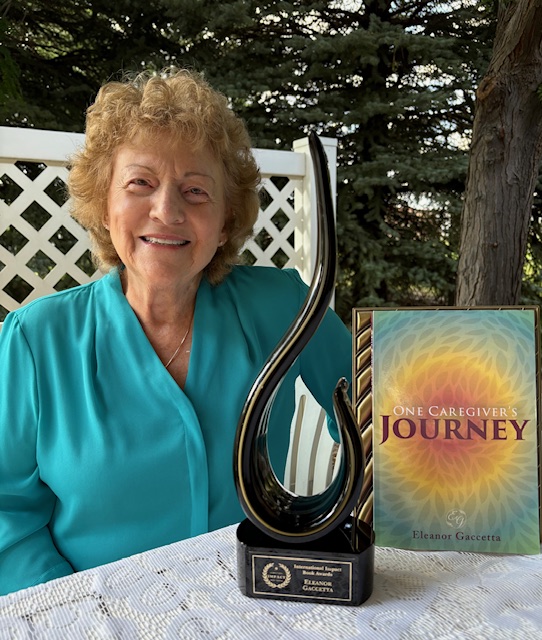
Photo by magnific
A great way to make the process of caregiving less scary is to get some guidance. Looking into books about planning care for aging parents gives you a clear plan for what lies ahead. These guides offer helpful checklists and emotional support to help you turn your fear into practical action.
Honoring gray hairs means paying attention to the small clues and understanding that they’re a normal part of life.
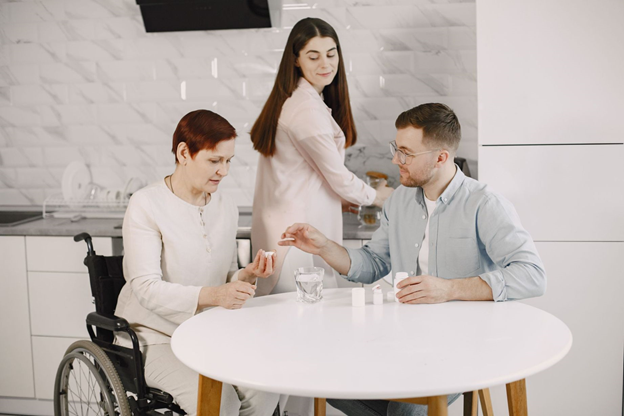
Photo by Gustavo Fring
Start honoring gray hairs with love, patience, and practical care.
Having Awareness of What Comes Next
This kind of awareness is where caring for elderly parents truly begins, and it can feel like you are stepping into the unknown without a map.
Many adult children feel lost at the initial stages. Who wouldn’t, when it often feels so sudden and so overwhelming. Thus, figuring out where to start can be overwhelming because the tasks seem to be endless: there are doctor visits to arrange, legal papers to sign, and daily routines to manage.
Yet, the best way to begin is simple. Start by spending a day just watching and taking notes.
Adopting a forward-thinking approach ensures you provide comfort to aging parents from the very start, which is far better than waiting for an emergency to force your hand.
It’s also very important to have hard conversations early on, even though they’re difficult to start. You need to talk to your parents about their wishes for the future before a medical crisis happens.
This shows them deep respect for their choices, while the presence of aging parents remains a gift in your daily life. As Eleanor Gaccetta writes in One Caregiver’s Journey, these conversations are “worth having and will ultimately make your life easier,” even though “picking the right time can be tricky and difficult.”
Building a Team and a Workable Plan
Trying to carry the entire weight of caregiving on your own is a common mistake, but it is a recipe for burnout. Honoring gray hairs the right way means you have to build a village of support to help you.
This group should start with your own family.
Set up a meeting with your brothers, sisters, and any close relatives to talk about who will do what. This prevents confusion and hurt feelings later and ensures that everyone understands what is expected of them.
Here is how you can start building a strong support system:
- Assign Clear Jobs: Figure out who will handle the money and the bills, who will take your parent to the doctor, and who will just sit and keep them company during the week.
- Talk to Experts: Find an elder law attorney to set up important documents, such as powers of attorney. Also, ask a geriatric care manager to take a professional look at your parent’s needs.
- Use Community Help: Look for your local Area Agency on Aging. They often offer low-cost services, such as meal delivery and respite care, to give you a break.
This structure is the best way to provide care to those who cared for you.
Sharing the load makes the heavy work feel lighter while also letting each person help in a way that fits their life.
Creating a solid plan also means making the home itself a safer place. This starts with a careful walk through the house to spot dangers.
- Pick up loose rugs that could cause a fall.
- Put grab bars in the shower and next to the toilet.
- Make sure the hallways have good, bright light.
These small fixes can greatly lower the chance of a bad fall. They also let your loved one stay independent in their own home for a longer time. Doing this work is a daily way of cherishing aging loved ones, because it shows you are always thinking about their comfort and safety.
Gaccetta describes how she transformed her mother’s home after a hip fracture, adding “grab bars in the bathroom and shower” and a “raised toilet seat” to allow her mother to do more for herself.

Photo by magnific
Start honoring gray hairs with love, patience, and practical care.
Handling the Daily Work and the Heavy Emotions
The physical work of caregiving is hard, but the emotional weight is often what wears people down the most. Adult children must find a way to balance their own lives, jobs, and families with their parents’ growing needs. Finding this balance is not always easy, and it requires a person to set clear limits about what they can and cannot do.
It is more than okay to ask other people for a hand. Whether that help comes from a sibling, a kind neighbor, or a paid caregiver, accepting relief is a sign of wisdom, not a sign that you have failed. Taking a break to rest is vital for your own health because if you get sick or burn out, you will not be able to help anyone. Remember that your own well-being is the engine powering the care you give your parent.
Adapting to Inevitable Changes
Also, it is very important to learn about the changes that come with old age. Illnesses like dementia can change a person’s behavior and memory in deep ways. Reading up on these conditions from trusted sources, like the Alzheimer’s Association, will give you the knowledge you need. This understanding helps you adjust your hopes and daily approach, making you less frustrated and more patient on bad days.
Gaccetta notes that her mother’s repetitive questions could be “difficult to remain calm” about. Still, she learned that “as time passes, caregivers become much more tolerant of repetitive days and much less frustrated.”
Enjoying the Little Hours
Finally, you have to make a point to enjoy the small, good moments. A shared laugh, a remembered family story, or a quiet, peaceful afternoon are the times that truly count. Honoring gray hairs is not just about managing a slow decline. It is about caring for elderly parents while making new memories you will hold on to forever. It is about providing comfort to aging parents and finding joy in the time you still have left together. This way of thinking turns a daily struggle into a deep, meaningful act of love.
Order Eleanor Gaccetta’s book, One Caregiver’s Journey, right now.