Photo by Hanna Pad
How many family caregivers are there worldwide? It’s a deceptively simple question. Behind it lies one of the largest invisible workforces on Earth.
Millions of people quietly provide daily care for aging parents, disabled relatives, or chronically ill loved ones. They rarely appear in official labor statistics.
Yet without them, health systems would struggle to function.
Here’s another way to frame it: how many family caregivers exist worldwide today? Estimates vary because definitions differ across countries. Still, global research suggests there are at least 186 million informal or family caregivers worldwide, and the real figure is likely far higher when countries without reliable data are included.
Those numbers tell a striking story. Family caregiving isn’t a niche activity. It’s a massive global social role.
The Workforce Behind Healthcare
When researchers ask how many family caregivers are there, they’re trying to measure a group that often operates outside formal systems. Family caregivers typically provide unpaid help, such as:
- Managing medications
- Preparing meals
- Assisting with mobility or bathing
- Coordinating medical appointments
- Offering emotional support
Most of this care happens inside homes, not hospitals. And because it’s unpaid, it rarely appears in economic reports.
The number of family caregivers worldwide is, therefore, difficult to measure precisely. But global studies consistently show that informal caregivers provide the majority of long-term care for older adults. In many regions, families deliver up to 80 percent of long-term care support.
That statistic alone hints at the scale of the caregiving ecosystem.
Let’s Talk About Caregiving Demographics
Another layer of the conversation involves caregiving demographics. Who actually becomes a caregiver?
Research across multiple countries reveals a few consistent patterns:
- Women provide most unpaid care. Some estimates suggest women account for around 60–80% of informal caregivers globally.
- Many caregivers fall into the “sandwich generation,” caring for both children and aging parents.
- A growing share of caregivers also hold full-time jobs.
So when people ask how many family caregivers are there, they’re also asking about a social pattern deeply tied to gender roles, aging populations, and family structures.
And those patterns are shifting.
Family Caregiving Trends Are Changing
If you look closely at family caregiving trends, the numbers keep climbing.
Several forces are driving this increase:
- First, populations are aging. People live longer than ever, which means more years when someone might need help with daily tasks.
- Second, healthcare has changed. Many treatments that once required hospital stays now happen at home. That shifts responsibility to families.
- Third, smaller families mean fewer relatives available to share the caregiving load.
Put all that together, and the question of how many family caregivers are there becomes more urgent every year. The demand for care keeps rising, while the supply of potential caregivers shrinks.
The Economic Value No One Talks About
Here’s something that rarely gets discussed outside policy circles.
If unpaid caregiving were counted as a formal industry, it would be enormous.
Global studies estimate that unpaid caregiving contributes roughly 5 percent of the world’s GDP in economic value.
Think about that for a moment.
Families quietly provide care that governments and health systems would otherwise have to fund. Without them, long-term care costs would skyrocket.
That’s why experts continue asking how many family caregivers are there. Understanding the size of this workforce helps policymakers design better support systems, from caregiver stipends to workplace protections.
Why the Numbers Are Probably Higher

The estimate of 186 million caregivers may sound large. Yet, many researchers believe the real number is far bigger.
Here’s why.
Many caregivers don’t identify themselves with the label “caregiver.” They simply say they’re helping a spouse, parent, or child.
Others provide occasional care that never appears in surveys.
So when analysts ask how many family caregivers are there, they’re often counting only the people providing substantial daily assistance. The informal help happening quietly in homes around the world? That’s harder to track.
How Many Family Caregivers Are There Worldwide? What These Numbers Mean:
Statistics often feel distant. Cold, even. But caregiving? That’s something entirely different.
Every number hides a story. A daughter patiently guiding her father through those first careful steps after surgery. A husband double-checking pill bottles, making sure his partner takes the right medication at the right time. A son answering work emails while quietly arranging his mother’s next doctor’s appointment.
So when someone wonders how many family caregivers exist, the question isn’t really about numbers at all. It’s about families. It’s about how many households are quietly carrying this responsibility every single day.
And the truth? The number is staggering—millions.
Caregiving is rarely something people prepare for. It tends to appear slowly, almost unnoticed at first. Then, before you realize it, it reshapes routines, priorities, even relationships in ways that no statistic could ever fully explain.
A Story That Brings the Numbers to Life
Numbers explain the scale of caregiving. Stories reveal the reality.
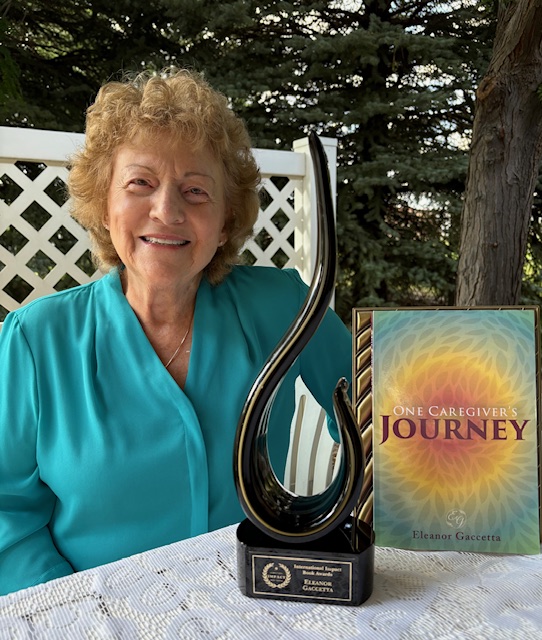
One powerful example is the memoir One Caregiver’s Journeyby Eleanor Gaccetta. The book recounts her experience providing 24/7 care for her mother for more than nine years, until her mother passed away at age 102.
The story is deeply personal, but it reflects what countless caregivers experience. Long days. Emotional highs and lows. Unexpected lessons about patience and endurance.
If you’re currently caring for a loved one—or expect to someday—this memoir offers practical insight and heartfelt reassurance. It shows that caregiving is not just a duty; it’s a journey filled with challenges, meaning, and moments of connection that stay with you long after the role ends.
Final Thoughts!
So, how many family caregivers are there worldwide?
The most honest answer: hundreds of millions—and the number keeps growing.
They’re the backbone of global healthcare, providing care and compassion no system could easily replace. Understanding how many family caregivers are there helps highlight their value, but recognition alone isn’t enough.
Behind every statistic is someone showing up, day after day, for a person they love.