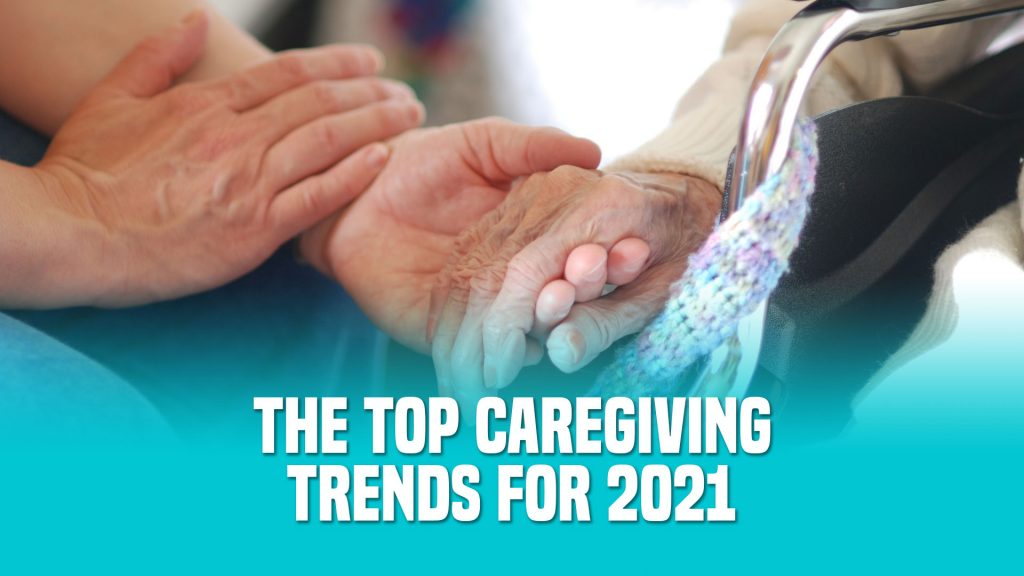
One of the most common traits of human behavior is taking care of the elderly. In most cultures it has been integral throughout human civilization. In many cultures, taking care of elderly loved ones is essential; elders have been regarded as wise, not only important members of the family unit but also to society as a whole. Therefore, it is expected that they will be taken care of. 24/7 caregiver by Gaccetta will help you discover the world of caregiving. It provides suggestions and information that can be utilized by all caregivers, making it the MUST read for those aspiring ones.
How Caregiving Trends Have Changed
Over many decades caregiving trends have changes. This is due largely in part to globalization, changing family dynamics and more convenient methods for providing care to our loved ones. In a pandemic it became apparent that there has been a need to find alternative solutions to caregiving.
The changes in the world dynamics have also changed how caregiving is delivered by communities as well as the family. The health care system has evolved to include more options for elder care primarily due to the fact that people are living longer. More younger family members are becoming caregivers and more home settings are multi-generational. Studies reflect over 44 million people in the US provide care to an elder parent, spouse or other loved one. The elder care industry is evolving as the dynamics of caregiving have caused younger people to focus on how to be a caregiver while simultaneously raising a family.
Key Trends in the Caregiving Industry
Below are some of the trends of the caregiving industry:
Medical Advancement Is in Store
Statistics have shown that people are living longer due largely to the improvements to our quality of life. Thus, the number of people who will need some level of caregiving is also increasing and advancements in technology and medical assistance should make our lives easier and more comfortable. Many seniors are becoming adept at using computers or other high-tech applications and equipment allowing them to remain independent. Families have many available options to find the right components that will assist their elder family members remain safe, stable, and independent.
Caregivers in Need to Perform Complex Medical Tasks
Generally, caregivers assist with day-to-day tasks, like helping an elderly relative bathe, dress, prepare meals and provide transportation to appointments. Today, however, caregivers are also asked to perform medical tasks such as monitoring medications, blood sugar, giving insulin, changing catheters, dressing wounds, and using medical technology such as iPads or devices worn by the patient to transmit information to doctors. Some caregivers suffer stress and anxiety to perform medical duties and the result is that some relatives are choosing not to be caregivers. In Eleanor Gaccetta’s book, One Caregiver’s Journey, she discusses the fact that caregiving is not for everyone.
Growth of Online Home Services
Elderly people are generally not that familiar with the latest technology platforms that may include medical devices and mobile applications that are simple and user-friendly. As mentioned above there have been applications made to support seniors in their day-to-day lives, making it easier for them to remain independent in their home. These apps will make it easier during the global pandemic for them to feel like they are still connected with the outside world. Thus, allowing them the ability to obtain whatever they need without any risk from the virus. Giving the elderly the opportunity to have independence is something that caregivers should make a priority, and by their using available technology their independence is preserved.
The Changing Landscape of Caregiving
The landscape is changing for caregivers and those receiving care. Providing care in a high-tech world can be challenging and complicated. We should be cognizant of the needs of our elder relatives which includes physical as well as emotional and mental support. We live in a world where assistance is a phone-call away or can be found with a Google-search. Fortunately, technology provides access to everything you ever desire in just a few clicks. Families have opportunities to take advantage of trends and changes in the senior care industry. If your loved one needs help, it is not hard to locate a suitable solution.
Frequently Asked Questions About Caregiving Trends
What are the main caregiving trends discussed in the article?
The article discusses medical advancements, caregivers performing more complex medical tasks, and the growth of online home services for elderly people.
How is technology changing caregiving?
Technology is providing caregivers and elderly family members with access to medical devices, mobile applications, communication tools, and online services that can make caregiving more convenient.
Why are more younger family members becoming caregivers?
More younger family members are becoming caregivers because people are living longer, family dynamics are changing, and more households are becoming multi-generational.
What medical tasks may caregivers need to perform?
Caregivers may be asked to monitor medications and blood sugar, give insulin, change catheters, dress wounds, and use medical devices that transmit information to doctors.
How can online home services help elderly people?
Online home services can help elderly people obtain products, services, assistance, and information without having to leave their homes.
Why is maintaining independence important for elderly loved ones?
Maintaining independence can help elderly loved ones continue participating in their daily routines while preserving their dignity and connection with the outside world.
What should families consider when choosing caregiving solutions?
Families should consider the physical, emotional, mental, and medical needs of their elderly loved ones when selecting technology, services, or other forms of caregiving support.