Caring for an older adult or an adult with special needs is a loving job, but it can also be very tiring. You want them to be happy, safe, and engaged while you are at work or taking a break. This is where adult daycare activities at a center can help. A common worry for families is: “Will my loved one just sit there all day? Will they be bored?”
The answer is a strong no. A good adult daycare center is a lively place full of fun and meaningful adult daycare activities designed to bring joy, purpose, and connection. This article will explore the many adult daycare activities that make adult daycare so valuable. We will answer your questions and show you how these adult daycare activities support health and happiness.
Why Are Activities So Important?
Adult daycare activities are not just a way to pass the time. They are a powerful tool for health. Engaging in regular, fun adult daycare activities can:
- Boost Mood and Reduce Anxiety: Fun adult daycare activities release “feel-good” chemicals in the brain.
- Slow Cognitive Decline: Puzzles, music, and games keep the mind sharp.
- Improve Physical Health: Gentle movement helps with strength, balance, and flexibility.
- Prevent Social Isolation: Sharing adult daycare activities builds friendship and fights loneliness.
- Provide a Sense of Purpose: Creating something or helping others makes us feel useful.
A study by the National Alliance for Caregiving found that social isolation significantly increases health risks for older adults. Engaging group adult daycare activities directly combat this.
A Look at Popular Adult Daycare Activities
Daycare centers mix different types of adult daycare activities to care for the whole person: mind, body, and spirit.
1. Creative and Artistic Activities
These adult daycare activities allow for self-expression without needing words.
- Painting and Drawing: Using watercolors, acrylics, or just colored pencils. It’s about the joy of creating, not being a perfect artist.
- Simple Crafts: Seasonal crafts like decorating pumpkins in fall or making wreaths in winter. It brings a sense of tradition and celebration.
- Music and Sing-Alongs: Listening to classic tunes from the 50s, 60s, and 70s can spark memories and joy. Many centers have live music or simple instruments like shakers and drums.
- Reminiscence Therapy: This is a fancy term for sharing stories. Staff might use old photos, popular products from the past, or familiar smells to get conversations started.
Resource: The National Institute on Aging has great information on how creative activities support cognitive health.
2. Mental and Cognitive Games
These adult daycare activities are like exercise for the brain! They help improve memory and focus.
- Puzzles: Large-piece jigsaw puzzles done as a group are a popular choice.
- Bingo: A forever favorite! It’s easy to play and helps with listening and matching skills.
- Trivia Games: Questions about old movies, music stars, or history from their youth.
- Card Games: Simple games like Go Fish or War are fun and engaging.
- Reading Groups: A staff member might read a short story or poem aloud for everyone to enjoy.

Find Encouragement in the Caregiving Journey
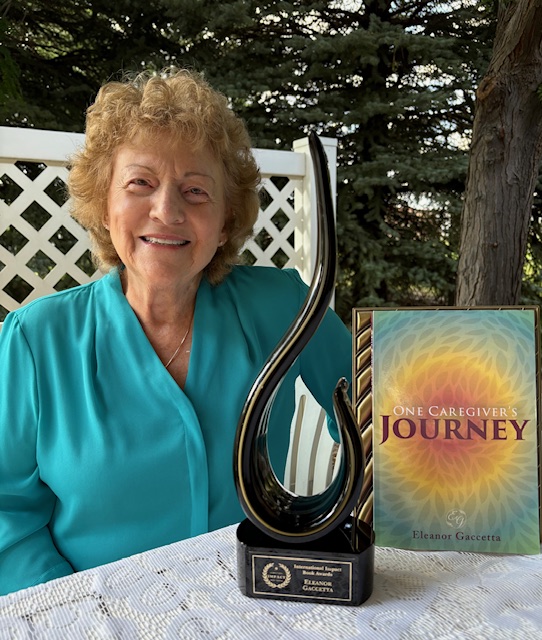
One Caregiver’s Journey
By Eleanor Gaccetta
Genre: Memoir / Family Caregiving
Caring for a loved one can bring moments of joy, exhaustion, and uncertainty. In One Caregiver’s Journey, Eleanor Gaccetta shares heartfelt memories, humor, and practical insights from nine and a half years of caring for her mother. Discover a personal story that reminds caregivers they are not alone.
Find Your Copy on AmazonExternal Link: A Place for Mom offers a list of cognitive activities tailored for seniors.
3. Gentle Physical Movement
Staying active is key to maintaining strength and balance. These adult daycare activities are designed for all ability levels.
- Chair Yoga: All the benefits of yoga—stretching, breathing, relaxing—while sitting safely in a chair.
- Tai Chi: This is a slow, flowing form of exercise that is great for balance and calmness.
- Simple Dancing: Moving to music while holding onto a chair for support.
- Light Ball Games: Tossing a soft, large ball back and forth to improve coordination.
- Walking Clubs: A short, gentle walk around the garden or neighborhood.
Youtube Resource: Chair Yoga for Seniors & Beginners is a fantastic channel with free, easy-to-follow videos.
4. Social and Life-Enriching Activities
These adult daycare activities make every day meaningful.
- Gardening: Planting seeds, watering plants, or arranging flowers in a vase. This connects people to nature.
- Cooking and Baking: Simple tasks like mixing batter, snapping green beans, or decorating cookies. The best part is eating the results together!
- Pet Therapy: Many centers have visits from friendly, trained therapy animals. Petting a dog or cat can lower blood pressure and bring immense comfort.
- Intergenerational Programs: Some centers partner with local schools or scout troops. Kids come to read, play games, or do art with the seniors. Everyone benefits from this connection.
- Volunteer Projects: Even small acts feel good. This could be assembling care kits for soldiers, knitting simple blankets for preemie babies, or sorting food donations.
Pet Partners explains the benefits of animal-assisted therapy.
5. Essential and Therapeutic Activities
These adult daycare activities support daily life skills and health.
- Discussion Groups: Talking about current events, the weather, or a “topic of the day.”
- Life Skills Practice: Folding laundry, setting the table, or sorting silverware can feel familiar and rewarding.
- Manicures and Hand Massages: A little pampering boosts self-esteem and provides gentle, caring touch.
How Do Centers Choose the Right Activities?
A great center doesn’t have a “one-size-fits-all” plan. They focus on what each person likes, needs, and can do.
- Personal History: They will ask you what your loved one enjoyed in their life. Did they garden? Cook? Dance? Listen to jazz? They will use those clues to plan adult daycare activities they will love.
- Ability Level: Adult daycare activities are adapted so everyone can join in and feel successful. For example, some may paint with a brush, while others might use their fingers.
- Choice: People are usually given a choice between two or three adult daycare activities. This gives them a sense of control and independence.
The Alzheimer’s Association provides excellent guidance on selecting activities for those with dementia.
FAQs: Your Questions Answered
Q: My father has dementia and gets confused easily. Can he still participate in adult daycare activities?
A: Absolutely. Staff are trained to guide and help him. Adult daycare activities for people with memory loss often focus on the senses (smell, touch, sound) and familiar routines from their past, which can be very calming.
Q: What if my loved one is shy and doesn’t like groups?
A: Good centers understand this. They often offer quieter options, like listening to music with headphones, looking at books, or doing a one-on-one puzzle with a staff member. The goal is engagement, not forcing someone into a big crowd.
Q: Are these adult daycare activities just for fun, or do they have real health benefits?
A: They are definitely for fun, but the health benefits are very real. Studies have shown that engaging social and mental adult daycare activities can slow the progression of memory loss, improve physical mobility, and reduce the need for certain medications by managing anxiety and depression naturally.
Q: How can I be sure a daycare center has a good activities program?
A: When you visit a center, ask to see their monthly activity calendar. A good calendar will have a wide variety of adult daycare activities throughout the day. Also, ask how they tailor adult daycare activities to individual interests. Don’t be afraid to sit in and watch an activity session to see the joy for yourself.
Q: Can I suggest an activity idea?
A: Please do! Centers love when families get involved. Your knowledge of your loved one’s hobbies and passions is invaluable. Suggesting a favorite game or type of music helps the staff personalize their care.
Eldercare Locator, a public service of the U.S. Administration on Aging, can help you find local adult day care centers to evaluate.
Helpful Resources and Links
- National Adult Day Services Association (NADSA): – The leading resource for finding quality adult day centers and learning about the industry.
- AARP Caregiving – A comprehensive hub for advice, support, and information for family caregivers.
- CDC: Healthy Brain Initiative: – Information on how activities promote cognitive health.
- Music & Memory: – A non-profit that brings personalized music playlists to seniors, a powerful activity for those with dementia.
- Generations United: – An organization dedicated to improving the lives of all generations, with resources on intergenerational programs.
YouTube Activity Ideas:
- Senior Fitness with Meredith: Excellent seated exercise videos.
Conclusion: More Than Just “Daycare”
Adult daycare is not just a place for supervision. It is a place for connection, purpose, and joy. The right adult daycare activities can turn a day from lonely and boring into one filled with laughter, friendship, and achievement. When you are looking for a center for your loved one, look closely at their activity program. It is the heart of what they do. A vibrant, well-thought-out schedule of adult daycare activities is a clear sign of a center that offers expert, compassionate, and trustworthy care. It shows they see your loved one for who they are: a person with a lifetime of experiences, ready to enjoy today.
Key Statistics to Know
- According to a report by the CDC, programs that include physical activity, like those offered at adult day centers, can help reduce the risk of falls—a leading cause of injury for older adults.
- The Alzheimer’s Association emphasizes that structured activities are a cornerstone of quality dementia care, helping to reduce agitation and improve overall mood.
- A study published in the American Journal of Alzheimer’s Disease & Other Dementias found that participants in adult day care centers showed significantly lower levels of stress and improved mood compared to those receiving care at home without such engagement.
Disclaimer: This article is for informational purposes only and is not a substitute for professional medical or caregiving advice. Always consult with healthcare providers and visit potential adult daycare centers to find the best fit for your loved one’s specific needs.