A Virtual Global Summit Featuring Innovations in Caregiving Research, Practice, and Policy.
Why is it that little has changed how one researches and evaluates health care despite all the health policy reforms, clinical practice innovations, increasing intersectoral interdependencies, and new medical and information technologies? These changes call out for new ways of being appraised and studied. And research approaches to clinical practice innovation cry out for being reinvented too. The 2022 World Carers Conversation, convened on Thursday, 19 May 2022, will showcase cutting-edge caregiving research, practice, and policy that will impact the world. This event will be hosted by the National Alliance for Caregiving and is made possible through the support of EuroCarers.
What’s in Store?
The 2022 World Carers Conversation hosted by the National Alliance for Caregiving (NAC) will present pre-recorded and live sessions on various topics relevant to caregiving and family-centered care for an audience of caregivers and allied researchers, clinicians, private and public health systems leaders, community organizers, advocates, and policymakers. The one-day event will focus on the following three topic areas:
- Promoting Mental and Emotional Health and Well-being
- Integrating Caregivers into the Healthcare Team
- Advancing Economic Security
NAC believes that a variety of perspectives enhances innovation. Hence, their goal is to offer a diverse selection of sessions that represent caregiving competence and innovation from across the globe. They encourage participation from people of all races, ethnicities, nationalities, genders, ages, abilities, religions, and sexual identities. Further, the NAC team is currently teleworking, with their virtual offices, which are open from 9 am-5 pm, Monday through Friday.
Moreover, guests will get the chance to learn about and engage with their current framework in the innovations in Caregiving Research, Practice, and Policy.
Putting Carers in the Global Agenda
All people are carers, one way or another. Routine caring is innate since people raise children, tend to sick relatives, look after aging parents, and form bonds of love and friendship that hold caring as implicit. However, the available carers belong to the crucial population of more specialized carers. They commit their lives to help others navigate disability, chronic illness, or age. And even though such carers exist everywhere, rarely are their contributions recognized and their own needs met.
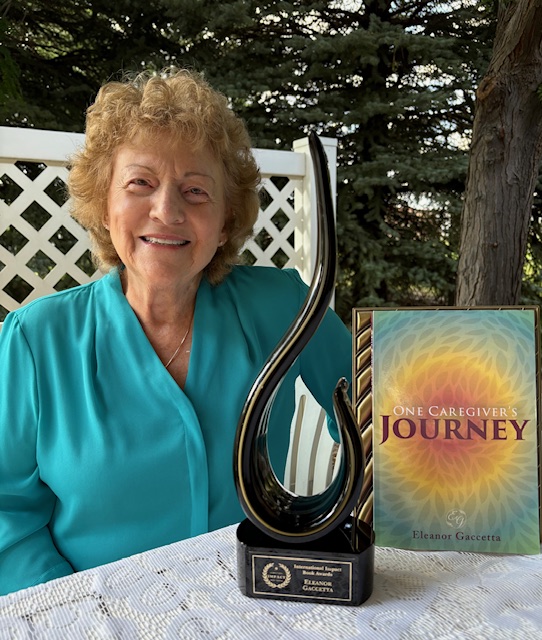
When the general public talks about carers, they talk about those informal, unpaid carers, typically family members but not always, who commit a significant portion of their lives to look after another’s additional needs. This devotion can come at a high cost. Carers’ health and well-being may suffer; they may skip school, forgo paid work outside, lose contact with their community, fall into debt, and become isolated. They form an invisible population. The caregiver book by Eleanor Gaccetta entitled “One Caregiver’s Journey” shares the author’s experiences about providing 24/7 care to her mother for nine and a half years until her mother’s death at age 102. The book offers suggestions and information that all caregivers can utilize. It is a snapshot into the reality of the stages, changes, and many challenges caregivers face over time. It is a caregiver’s blueprint.
As stated above, it is clear that carers are indispensable and inherent in health and social care systems’ organization, provision, and sustainability. Due to demographic aging and the increasing prevalence of frailty and chronic conditions, they will become even more critical given the changing health and care needs.
Caring for a loved one can be a source of substantial personal satisfaction, but it does create its own set of setbacks or challenges. These can include mental and physical health problems, isolation, difficulty balancing paid work with care responsibilities, and perhaps even financial worries as social provisions are cut back. Advances in medicine also mean that carers have to deliver more and more current levels of care with minimal support and very little training.
Who Cares?
Remember, caring is universal. One or the other day, all humans will either become a carer or be cared for by somebody else. There is no one-size-fits-all description. Whether you are poverty-stricken or wealthy, it does not discriminate; whether you are a president or prime minister, you too will be a carer; it does not differentiate between scientist and singer. It affects each one of the human population.
FAQ: Understanding the Global Landscape of Caregiving
1. What was the 2022 World Carers Conversation?
The 2022 World Carers Conversation was a virtual global summit convened on Thursday, 19 May 2022. Hosted by the National Alliance for Caregiving (NAC) and supported by EuroCarers, the one-day event aimed to showcase cutting-edge innovations in caregiving research, practice, and policy that impact the world.
2. What were the main topics discussed at the summit?
The event focused on three critical topic areas:
- Promoting Mental and Emotional Health and Well-being
- Integrating Caregivers into the Healthcare Team
- Advancing Economic Security
These themes highlight the multifaceted challenges and necessary supports for caregivers globally.
3. Who are considered “carers” in this global conversation?
The article clarifies that while everyone cares for others in some way, the term “carers” in this context refers specifically to informal, unpaid carers. These are typically family members (though not always) who commit a significant portion of their lives to looking after someone with additional needs due to disability, chronic illness, or age. They are often an “invisible population.”
4. What are the main challenges faced by unpaid carers?
The article outlines several significant setbacks that carers often face, including:
- Suffering from their own mental and physical health problems.
- Experiencing social isolation.
- Difficulty balancing paid work with care responsibilities.
- Facing financial worries, especially as social provisions are cut back.
- Having to deliver complex care with minimal training and support.
5. Why are carers so important to healthcare systems?
Carers are described as indispensable and inherent to the organization, provision, and sustainability of health and social care systems. Their importance is growing due to demographic aging and the increasing prevalence of frailty and chronic conditions, which create greater care needs.
6. Is caregiving only relevant to certain people?
No, the article emphasizes that caring is universal. It states that every human will eventually either become a carer or be cared for by someone else. It does not discriminate based on poverty, wealth, status, or profession—it affects everyone in the human population.
7. Where can I find a personal, in-depth perspective on the caregiving journey?
For a personal account, the article recommends the caregiver book One Caregiver’s Journey by Eleanor Gaccetta. The book shares the author’s 9.5-year experience providing 24/7 care to her mother until age 102. It is described as a “caregiver’s blueprint” that offers realistic suggestions, information, and a snapshot of the stages and challenges caregivers face over time.
8. Who organized this global conversation and how can I learn more?
The event was hosted by the National Alliance for Caregiving (NAC) . Their team was teleworking with virtual offices open Monday through Friday. The article suggests their goal is to offer diverse sessions and encourage participation from people of all backgrounds. For more information on their framework and future events, you would need to visit the NAC’s official channels directly.