Caring for someone with dementia is a journey of love, patience, and connection. One of the most powerful tools you have is meaningful activity. Engaging a loved one with dementia isn’t about filling time; it’s about bringing joy, reducing anxiety, and helping them feel valued and connected.
This guide offers over 101 simple, enjoyable activities. They are designed to encourage creativity, awaken the senses, and provide a sense of purpose. Remember, the goal is not to complete a task perfectly, but to share a positive experience.
The Power of Purposeful Activities in Dementia Care
Why are activities so important? For a person with dementia, the world can become confusing. Activities provide a comforting anchor. They can:
- Reduce anxiety and agitation: A focused activity can be calming.
- Improve mood: Fun and success release “feel-good” chemicals in the brain.
- Promote a sense of identity: Familiar tasks help a person remember who they are.
- Strengthen your connection: Sharing an activity is a way to communicate without words.
- Maintain skills: Gentle physical and mental activities help preserve abilities longer.
The key is to focus on the process, not the outcome. If your loved one folds one towel and you fold the rest, that’s a success! You shared a moment of purpose together.
101+ Engaging Activities for Dementia Patients
Creative Activities: Arts, Crafts, and Self-Expression
Creative projects are wonderful because there are no wrong answers. They allow for self-expression when words are hard to find.
- Finger painting with non-toxic washable paint.
- Coloring in large-print, simple adult coloring books.
- Rolling play-dough or modeling clay.
- Stringing large beads onto a shoelace.
- Sorting a box of buttons by color or size.
- Tearing colorful magazine pages for a collage.
- Drawing with chalk on a sidewalk or small chalkboard.
- Stamping with ink pads and simple shapes.
- Wrapping a small box with gift wrap.
- Making a simple greeting card for a family member.
- Painting a flowerpot.
- Weaving ribbon through a basket.
- Gluing popsicle sticks into simple shapes.
- Decorating a picture frame with stickers.
- Assembling a pre-cut puzzle from foam or wood.
- Brushing water onto a special water-reveal painting book.
- Organizing a box of ribbons or fabric swatches.
- Flipping through a colorful art book.
- Doodling on a dry-erase board.
- Making a sensory bottle with glitter, water, and glue.
Music and Sensory Activities: Simple Sound, Scent, and Touch Ideas
Music and our senses are deeply tied to memory and emotion. These activities can be incredibly soothing and joyful.
- Listening to music from their teenage and young adult years (the 1950s-1970s are often powerful).
- Singing along to familiar hymns or folk songs.
- Tapping a rhythm with a tambourine or drum.
- Dancing slowly together, or simply swaying to music while seated.
- Smelling different spices from the kitchen (cinnamon, vanilla, cloves).
- Feeling different textures: velvet, sandpaper, a soft blanket, a smooth stone.
- Looking at a family photo album together.
- Listening to the sounds of nature (a rainstick, ocean waves).
- Smelling fresh flowers or herbs from a garden.
- Holding and stroking a soft stuffed animal or a therapy doll.
- Sifting hands through a bin of uncooked rice or beans.
- Watching a lava lamp or bubble tube.
- Listening to an audiobook of a classic story.
- Rubbing a favorite-scented lotion on their hands.
- Brushing their hair gently.
- Rocking in a rocking chair.
- Watching old, classic movie musicals (The Sound of Music, Singin’ in the Rain).
- Sniffing a scented sachet or potpourri.
- Holding a warm (not hot) water bottle or wheat bag.
- Listening to wind chimes.
Memory and Cognitive Activities: Gentle Brain Exercises
Keep the brain active with simple, pressure-free games and reminiscence.
- Looking at old family photos and naming people (offer help gently).
- Reading a short poem aloud.
- Answering simple questions from a ” reminiscence” card deck.
- Sorting a deck of playing cards by color or suit.
- Working on a very simple, large-piece puzzle (12-24 pieces).
- Reading a paragraph from a newspaper or a favorite book.
- Naming objects in the room.
- Reciting the alphabet or counting together.
- Talking about their first job or car.
- Matching pairs with a memory card game (use 4-6 pairs to start).
- Watching a documentary about animals or nature.
- Doing a “find the object” search in a “I Spy” book.
- Discussing what they did today.
- Flipping through a large-print calendar and talking about the seasons.
- Asking about their favorite childhood meal.
- Placing coins into a piggy bank.
- Reading a familiar prayer or saying a mantra together.
- Identifying different types of fruit by touch alone.
- Telling a simple, well-known story like Goldilocks and letting them fill in the blanks.
- Playing “Name That Tune” with a few seconds of a familiar song.
Physical Activities: Easy Movements for Health and Mobility
Gentle movement is vital for physical health, sleep, and mood.
- Going for a short walk around the block or in the garden.
- Seated marching while holding onto a chair.
- Stretching arms up to the sky and out to the sides.
- Gentle seated yoga or Tai Chi (many videos are available online).
- Rolling a soft ball back and forth to each other.
- “Bowling” with plastic bottles and a soft ball.
- Lifting light weights (water bottles or soup cans work well).
- Swinging on a porch swing.
- Walking heel-to-toe in a straight line (with support).
- Playing catch with a balloon.
- Dancing to one song.
- Wiping down a table.
- Sweeping the floor with a broom.
- Raking leaves in the yard (even for a few minutes).
- Watering plants with a small watering can.
- Carrying a small bag of groceries to the kitchen.
- Folding laundry (towels and socks are easiest).
- Kneading bread dough.
- Washing plastic dishes in a basin of soapy water.
- Polishing silverware or shoes.

Find Encouragement in the Caregiving Journey
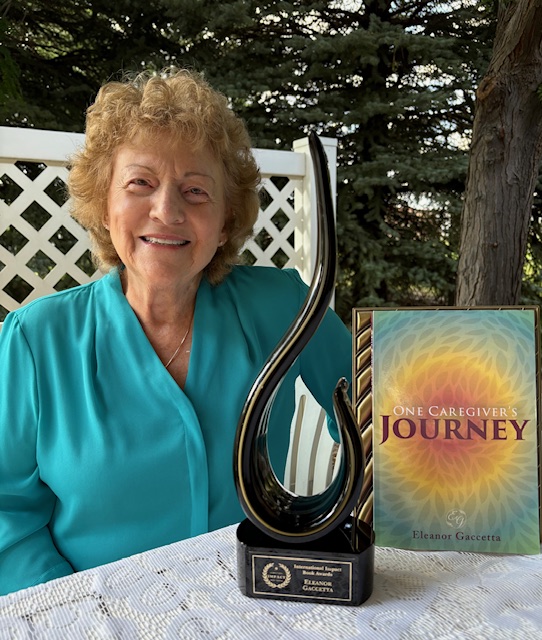
One Caregiver’s Journey
By Eleanor Gaccetta
Genre: Memoir / Family Caregiving
Caring for a loved one can bring moments of joy, exhaustion, and uncertainty. In One Caregiver’s Journey, Eleanor Gaccetta shares heartfelt memories, humor, and practical insights from nine and a half years of caring for her mother. Discover a personal story that reminds caregivers they are not alone.
Find Your Copy on AmazonSocial Activities: Building Belonging and Communication
Connection is a basic human need. These activities help combat loneliness.
- Having a cup of tea or coffee together.
- Visiting with a friendly, calm therapy pet.
- Video calling a grandchild or friend.
- Attending a senior center or adult day program activity.
- Sitting on a park bench and saying “hello” to passersby.
- Playing a simple board game like “Candy Land” or “Don’t Break the Ice.”
- Sharing a piece of cake or dessert.
- Looking at a magazine together and talking about the pictures.
- Blowing bubbles together.
- People-watching at a mall or café.
- Attending a religious service.
- Going out for an ice cream cone.
- Watching children play at a playground.
- Telling jokes or sharing funny stories.
- Simply holding hands and sitting in comfortable silence.
- Looking at a map of their hometown and talking about it.
- Flipping through a yearbook.
- Having a one-on-one conversation with no distractions.
- Waving to neighbors from the window.
- Sharing a warm hug.
Household Activities: Encouraging Familiarity and Independence
Familiar chores can provide a deep sense of purpose and normalcy.
- Folding a basket of towels or washcloths.
- Setting the table.
- Dusting furniture with a feather duster.
- Sorting socks.
- Washing vegetables for dinner.
- Stirring a bowl of cake mix or salad.
- Organizing a kitchen drawer.
- Pairing and rolling socks.
- Unloading the silverware from the dishwasher.
- Making the bed together.
- Sorting recycling.
- Shelling peas or peeling hard-boiled eggs.
- Polishing a table with a spray and cloth.
- Arranging fake flowers in a vase.
- Carrying their own plate to the sink.
Outdoor Activities: Nature-Based Ideas for Uplifting Mood
Nature has a powerful calming and uplifting effect on everyone.
- Sitting in the sunshine for 15 minutes.
- Gardening in a raised bed or with potted plants.
- Feeding the birds.
- Watching the clouds and pointing out shapes.
- Going for a drive in the country.
- Visiting a botanical garden.
- Walking through a park with a paved path.
- Sitting by a fountain or pond.
- Picking up pretty leaves or pinecones.
- Smelling the rain on the pavement.
- Swinging on a porch swing.
- Having a picnic in the backyard.
- Watering the lawn with a hose (supervised).
- Watching a sunset or sunrise.
- Visiting a farm to see the animals.
- Walking on a beach and feeling the sand.
- Visiting a quiet zoo or aquarium.
We’re Here to Help
Finding the right activities is just one part of the caregiving journey. It’s also important to know you’re not alone. If you’re feeling overwhelmed, it may be a sign to seek more support. Learn about the signs that it might be time for assisted living.
Explore Onelife Communities Across the Country
(This section would be customized for your specific community, offering a transition from the article to your services.)
Frequently Asked Questions
What are the best simple activities for someone with Alzheimer’s or dementia?
The best activities are simple, familiar, and focused on the senses. Folding laundry, listening to music, looking at old photos, sorting objects, or going for a short walk are all excellent choices. The key is to keep it stress-free and enjoyable.
How do I choose activities for different stages of dementia?
- Early Stage: Focus on activities they’ve always loved, like gardening, complex puzzles, or book clubs. They can still follow multi-step instructions.
- Middle Stage: Simplify activities. Use one-step directions. Sensory activities (music, texture boards) and simple chores (folding) work well. They may need more guidance.
- Late Stage: Focus on sensory input. Play their favorite music, hold their hand, give a hand massage, use a soft brush on their skin, or read to them in a calm voice. The goal is comfort and connection.
What calming activities help with sundowning or agitation?
Sundowning (increased confusion and agitation in the late afternoon) can be eased with calming activities. Try soft music, a hand massage, rocking in a chair, looking at a calm photo book, or brushing their hair. Reducing noise and clutter is also very helpful. For more insights, you can read about why dementia patients sometimes talk to themselves, which can be a form of self-soothing.
Are there outdoor activities that are safe?
Yes! Safety is about supervision and a secure environment. A fenced yard is ideal. Activities like gardening in a raised bed, sitting on a patio, walking on a smooth path, or simply feeling the breeze are safe and beneficial. Always ensure they are wearing comfortable, safe footwear; learn more about the best shoes for dementia patients.
What group activities are good for dementia patients?
Group activities should be simple and not overly stimulating. Good options include:
- Sing-alongs
- Gentle chair exercise classes
- Reminiscence groups talking about a specific topic (like “first cars”)
- Simple bingo games
- Art classes with one simple project
Connecting with others who understand is vital; consider finding support groups for navigating dementia.
How long should activities last for someone with dementia?
Keep activities short, from 10 to 30 minutes. Watch for signs of frustration, fatigue, or agitation. It’s better to end an activity on a high note, when they are still enjoying it, than to push them until they become upset.
How can I adapt activities for vision, hearing, or mobility challenges?
- Vision: Use high-contrast colors (black/white, red/yellow), large print, and good lighting. Describe what you are doing.
- Hearing: Get their attention before speaking, face them, lower the pitch of your voice, and reduce background noise.
- Mobility: Do seated versions of activities. Use a table at a comfortable height. Ensure all materials are within easy reach.
Can grandchildren participate in these activities?
Absolutely! Activities with grandchildren can be joyful. Good options include:
- Looking at a family photo album together (the grandchild can ask questions).
- Stringing beads.
- Blowing bubbles.
- Reading a simple children’s book.
- Singing nursery rhymes.
- Dancing to a fun song.
- Sharing a snack.
Supervise closely and keep the visits short and sweet.
Conclusion
Remember, the most important “activity” you can offer is your loving presence. This list of 101+ ideas is a starting point to inspire connection and joy. Some days will be better than others, and that’s okay. The goal is to create moments of happiness and reduce stress for both you and your loved one. Be patient, be flexible, and celebrate the small successes. The journey of caregiving is challenging, but you don’t have to walk it alone. Understanding who is responsible for dementia care can help you build a support system. If you are caring for a spouse at home, you may find our guide on how to become a caregiver for a disabled spouse at home particularly helpful.
Call to Action:
We hope this guide inspires you with new ways to connect. What activity will you try first? Share your favorite ideas or success stories in the comments below. And if you need more support, don’t hesitate to reach out—we’re here to help you every step of the way.