


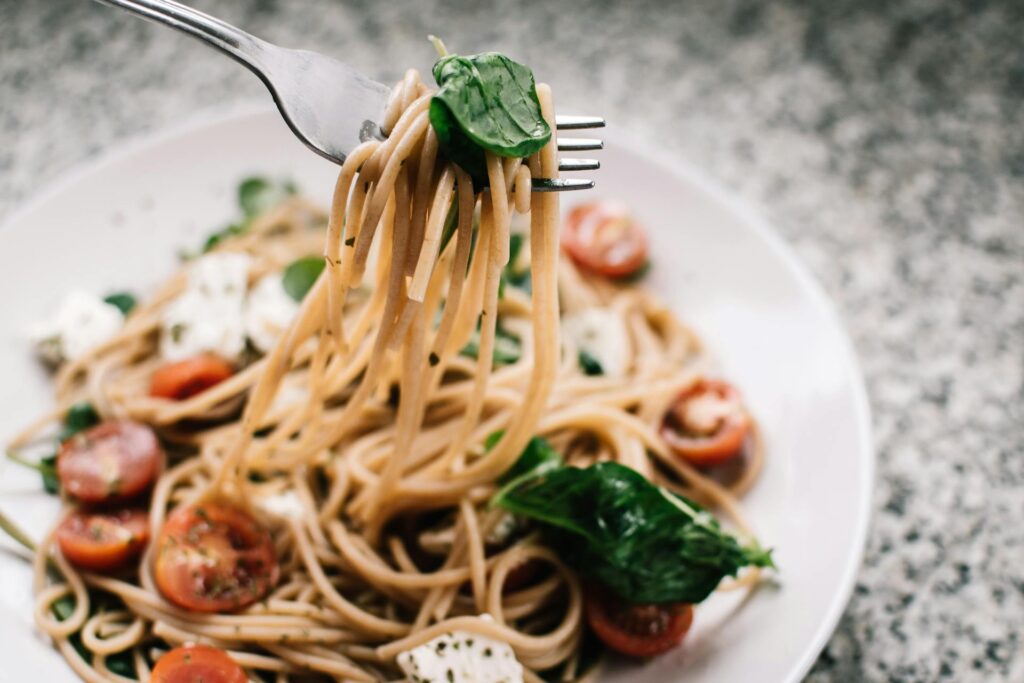
Photo by Lisa from Pexels
A More Refined Taste: Why Old Recipes Simply Taste Better
Have you ever bitten into a cookie from your grandmother’s old, stained recipe card and felt a wave of warmth and happiness? Or maybe you’ve tried a “vintage” recipe from a community cookbook and thought, “Why does this taste so much richer and more real than what I buy today?”
You’re not imagining it. There’s a real reason why old recipes often have a more refined and satisfying taste. It’s not just about nostalgia. It’s about the ingredients, the time, and the love that went into them.
Let’s explore the delicious reasons why food from the past often tastes better.
1. The Ingredients Were Just… Different
The biggest reason for the taste difference lies in what went into the food.
- Real Butter and Lard: Old recipes relied on natural fats like butter and lard. These fats carry flavor in a way that modern substitutes like margarine or highly processed vegetable oils can’t. They create a richer, more complex taste and a flakier, more tender texture in pastries and pies.
- From-Scratch Everything: Before boxed cake mixes and canned soups, cooks made everything from scratch. A cake used real eggs, fresh milk, and butter. A casserole used a “white sauce” made with butter, flour, and milk, not a can of condensed soup. This meant the cook controlled every single ingredient, resulting in a purer, cleaner flavor.
- Seasonal and Local Produce: People used to cook with what was in season and grown nearby. A tomato picked from the garden and used that day has a sweetness and juiciness that a tomato shipped thousands of miles and stored for weeks simply can’t match. This freshness directly translates to more powerful flavors.
Statistic to Consider: A study from the University of Texas found that the nutrient content in fruits and vegetables has declined significantly over the past 50-70 years, likely due to farming practices focused on size and speed over soil quality. Many believe this has also led to a decline in flavor.
2. They Were Made with Time and Patience
Good food takes time, and old recipes were not afraid of that.
- Slow Cooking Methods: Stews simmered for hours. Bread dough was left to rise slowly. This slow process allows flavors to deepen and meld together beautifully. It also develops complex textures that quick, rushed methods can’t achieve.
- The Power of Fermentation and Aging: Many traditional foods, like sauerkraut, pickles, and sourdough bread, used fermentation. This natural process not only preserves food but also creates tangy, deep, and unique flavors that are hard to replicate with shortcuts.
- No Microwaves: Meals were reheated on a stovetop or in an oven, which helps retain texture and flavor. Microwaves, while convenient, can often make food soggy and heat it unevenly, dulling the taste.
3. They Were Designed to Feed and Satisfy
Life was often more physically demanding. People worked on farms or in factories and needed food that provided lasting energy.
- Focus on Fullness: Recipes were created to be hearty and filling. They used substantial ingredients like potatoes, whole milk, and meats to keep people full and energized for longer periods. This focus on satisfaction naturally led to richer, more robust flavors.
- Less Focus on “Health” Trends: While people ate wholesomely, they weren’t constantly removing fat or sugar to meet a diet trend. Fat and sugar are primary carriers of flavor. When you reduce them significantly, you often have to add artificial flavors, thickeners, and sweeteners to make up for the lost taste, resulting in a less “real” flavor.
4. A Pinch of This, a Handful of That: The Art of Cooking
Many old recipes are less like scientific formulas and more like friendly guides.
- “Cook until it looks right”: Instructions like this force the cook to use their senses—sight, smell, and touch. This engagement creates a deeper connection to the food and often leads to a better result because you’re paying attention.
- Built-in Flexibility: Because they used what was available, these recipes are often very adaptable. This encourages creativity and confidence in the kitchen, which almost always makes the cooking experience—and the final product—more enjoyable.
5. The Secret Ingredient: Connection
Finally, we can’t ignore the heart of the matter.
- Food as Love: For generations, food was a primary way to show care for your family. A meal was an event, a time for connection. That emotional connection gets baked right into the food. When you eat your great-grandmother’s pie recipe, you’re tasting a piece of your family’s history and the love she put into it.
- The Stories They Hold: That cookie recipe isn’t just a cookie; it’s the one your mom made after a hard day at school. That stew is the one your dad always made on a cold Sunday. These positive memories and emotions literally make the food taste better to us.
How You Can Bring That “Old Recipe” Magic into Your Kitchen
You don’t need a time machine to enjoy this refined taste. Here are a few simple tips:
- Cook from Scratch More Often: Start with one or two meals a week. Make your own pasta sauce or bake a simple loaf of bread.
- Invest in Quality Ingredients: Splurge on real butter, good olive oil, and local eggs. Visit a farmer’s market for your fruits and vegetables when you can.
- Be Patient: Don’t rush the process. Let your soup simmer a little longer. Allow your bread to have a full, slow rise.
- Find and Treasure Old Recipes: Ask your relatives for their recipe cards. Look for community cookbooks from churches or charities from the 1950s-1970s at yard sales or used bookstores.
- Use Your Senses: Taste as you cook. Look at the food. Smell it. This will make you a better cook and your food will taste better for it.
Frequently Asked Questions (FAQs)
Q: Aren’t old recipes less healthy because they use so much butter and fat?
A: It’s a common concern, but it’s a balance. Old recipes used natural, whole-food ingredients. While they may be higher in calories, they are often free from the artificial preservatives, high-fructose corn syrup, and processed chemicals found in many modern foods. Eating wholesome, from-scratch food in moderation is a healthy approach.
Q: Why do my old family recipes sometimes not turn out right when I make them?
A: This is a classic problem! There are a few reasons:
- Ingredient Changes: Modern flour has more protein, and butter can have a different fat and water content.
- Vague Instructions: “A moderate oven” or “a glass of milk” can be unclear. A “moderate oven” is about 350°F (175°C), and a “glass” was likely an 8-ounce cup.
- Technique: They might assume you know how to “fold” or “cream” ingredients properly. Don’t be afraid to look up techniques online!
Q: Is it just my nostalgia making me think they taste better?
A: Nostalgia is a powerful part of the experience, but it’s not the whole story. The genuine differences in ingredients and cooking methods create a objectively different—and often superior—flavor and texture profile. The nostalgia just makes the experience that much sweeter.
Q: Where is the best place to find these old recipes?
A: Start with your own family! Then, check out:
- Community Cookbooks: Often called “fundraiser cookbooks” from local churches, schools, or Junior Leagues.
- Online Archives: Sites like The Vintage Recipe Project or even YouTube channels dedicated to historical cooking.
- Thrift Stores and Yard Sales: You can find real gems in old, spiral-bound cookbooks.
Conclusion
The refined taste of old recipes isn’t a mystery. It’s the beautiful result of real ingredients, patient cooking, and a generous dash of love and connection. In our fast-paced world, these recipes remind us to slow down, savor the process, and enjoy the deep, satisfying flavors that come from cooking with care. So, dig out that old recipe box—you might just find more than a meal inside. You might find a taste of the past that feels perfectly right for today.
