
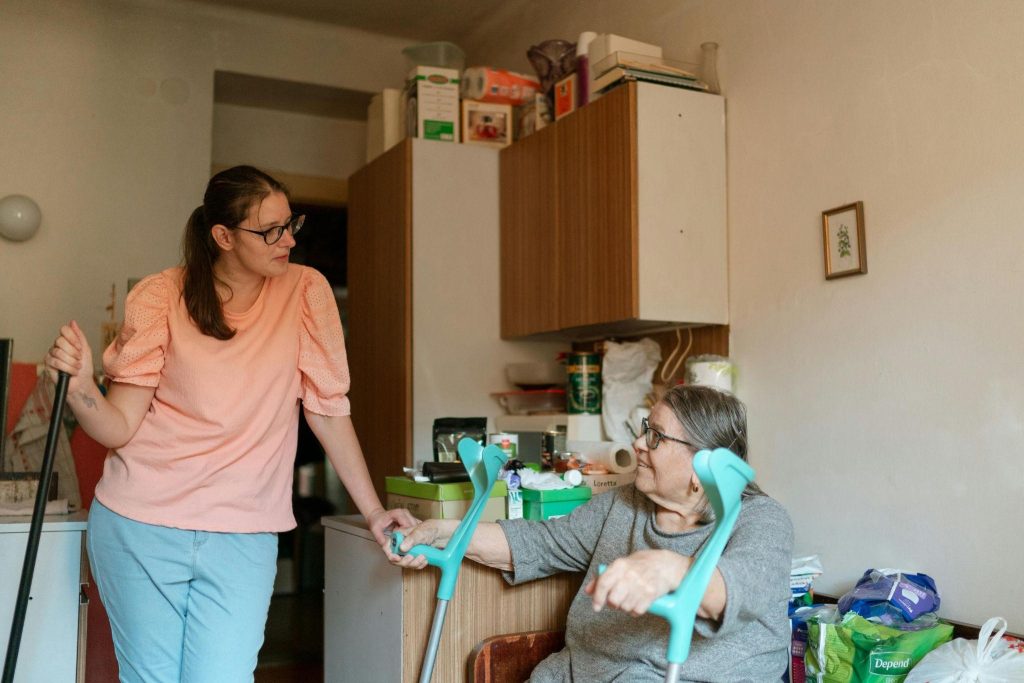
Photo by Jsme MILA | A caregiver leans on a cane, talking to an elderly woman with crutches, conveying why caregiving is hard.
Knowing why caregiving is hard starts with the fact that most people have no clue what caregivers go through every day. You think patience and love will be enough. They won’t be.
Caregiving is not always easy, and you don’t get it until you’re already doing it.
The caregiving challenges realitythrows at you are nothing like the greeting cards suggest. Reality smacks you in the face, and you understand why caregiving is hard in ways you never saw coming.
Everyone acts like caregiving is noble and beautiful. Nobody mentions the 3 am bathroom runs or the anger building up. People avoid talking about why caregiving is hard because saying it feels like admitting you’re failing.
The Physical Toll Catches You Off Guard
Your body gives out fast. You stop sleeping. Your health goes downhill because you skip your own doctor appointments and forget to eat. You’re wired at night even when you get a chance to lie down.
Most caregivers hit a wall of exhaustion that sleep can’t fix because the worry never stops. This is why caregiving is hard on your whole body, from tension headaches to catching every bug.
The Emotional Weight You Carry Alone
The emotional stuff is worse than the physical exhaustion. One minute you feel love and the next you’re furious, sometimes in the same hour. You feel guilty for wanting a break and angry at the person you’re caring for. Your mental health takes a hit because you’re dealing with impossible feelings with no way out. You can’t just walk away when frustrated. You can’t ask for space. This job becomes who you are.
Financial Strain Compounds Everything Else
You run out of money fast. Most caregivers cut back at work or quit entirely. Your savings disappear quicker than income arrives. Medical equipment costs a fortune. Medications cost a fortune. Money problems pile on top of everything else, crushing you. You worry about your own retirement while paying for someone else’s healthcare. This is why caregiving is hard on your bank account in ways you never thought about.
Your Relationships Pay the Price
Your friendships fall apart. Friends stop calling because you can’t go anywhere. Your marriage gets tense because one of you is always stressed. Your kids feel ignored. You end up alone because there’s no time for a normal social life. You turn into someone your friends don’t recognize because caregiving has taken over who you used to be.
Caregiving burnout risks skyrocket when you have nobody to talk to and nobody who gets what you’re going through.
The Never-Ending Decisions with Real Consequences
The decisions don’t stop. You make choices that matter. Do you move your parent to a facility or keep them home? Do you try aggressive treatment or let them be comfortable? Do you trust what they want or make the call yourself?
These aren’t questions with right answers. You carry the weight of whatever you decide because it affects someone you love.
Guilt That Never Lets Go
Guilt sticks with you.
You feel guilty for being angry, for not doing enough, for wanting your old life back. Logic doesn’t touch guilt because it runs on feelings, not reason. This is why caregiving is hard, partly because guilt won’t leave you alone, creeping in on every decision and every moment you try to rest.
Why Caregiving Is Hard: Nobody Prepares You for What’s Coming
Nobody warns you. There’s no caregiving class. You don’t learn how to handle tough conversations or deal with someone acting out. You’re thrown in and expected to figure it out. Resources exist, but you don’t have the energy to find them.
Support groups help, but asking for help feels like giving up.
The Invisibility of Your Sacrifice
Nobody sees what caregiving really costs you. People see the person you’re caring for, but not your exhaustion. They notice the patient but not the caregiver fading in the background. People judge caregiving by what you do, not what it takes out of you. You almost never get thanked. This is why caregiving is hard, partly because your work is invisible and people don’t see what you’re sacrificing.
Moving Forward Requires Real Support
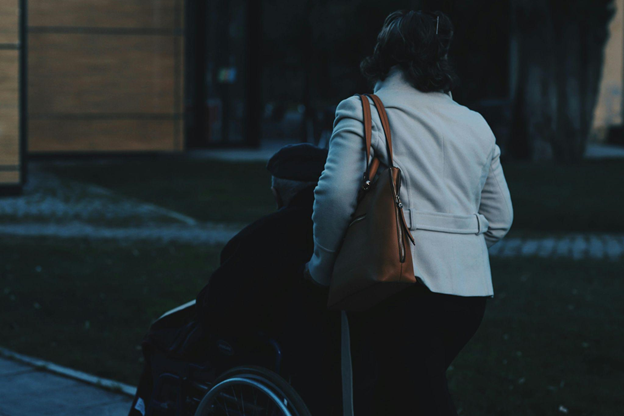
Photo by Joelma Costa
Stop acting as if you should just handle this. Stop pretending. You need real help, real resources, and real permission to struggle. Your frustration makes sense. Your exhaustion is real. Your anger is okay. Taking a break doesn’t make you selfish.
Getting help doesn’t mean you’re not good enough.
Resources That Actually Help
If you’re looking for real help, check out the Family Caregiver Alliance (https://caregiver.org/). They get what you’re dealing with and offer support. The American Caregiver Association (https://americancaregiverassociation.org/) has education built for people in your spot. Both understand why caregiving is hard because they work with thousands of caregivers fighting the same fight.
Find Guidance in Someone Who Truly Understands
If you’re dealing with caregiving right now, your experience is real, and your struggles matter.
One book that gets it is “One Caregiver’s Journey” by Eleanor Gaccetta. This is a real memoir from someone who did 24/7 care for her mother for almost ten years. Gaccetta doesn’t sugarcoat it. She tells you what it felt like, what she struggled with, and what helped. The book feels like sitting with someone who’s been exactly where you are and actually understands. She gives you real advice woven through her whole story. You’ll recognize yourself and feel less alone. This is a caregiving book, providing a real map for what you’re dealing with right now.
Pick up a copy and let someone who’s lived this walk you through it.

