Photo by KamranAydinov
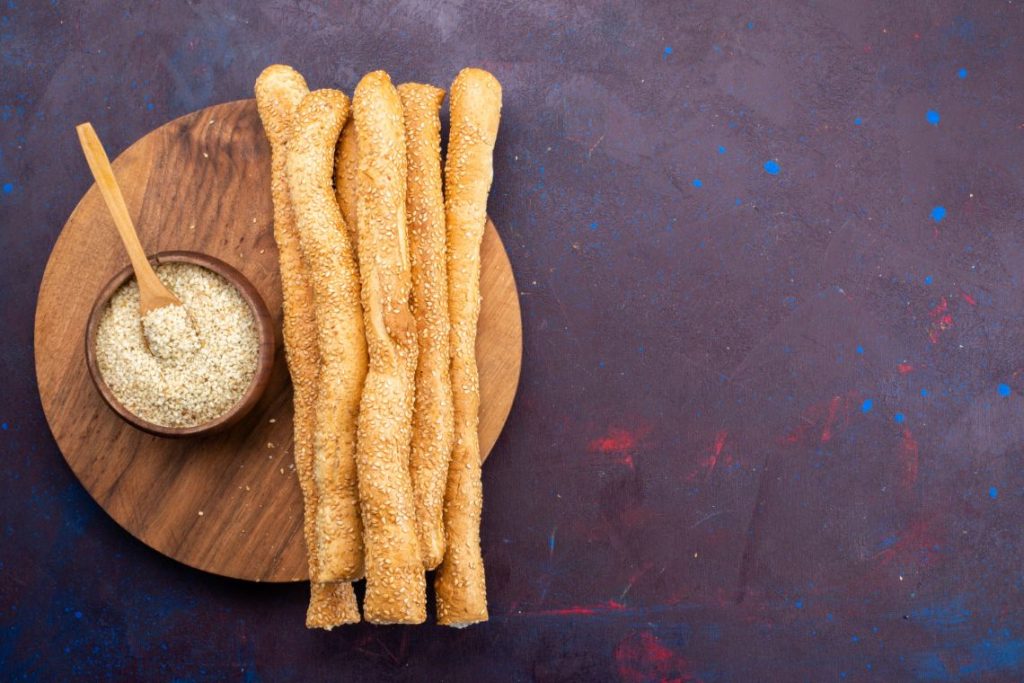
There is something magical about pulling a tray of golden, twisted sticks from the oven.
A homemade breadsticks recipe does not need fancy tools or professional training. Baking breadsticks at home can fill the kitchen with a warm, yeasty aroma that store-bought bags cannot match.
We’ll be sharing a simple way to make them, a short history of their origin, and tasty ideas for serving them.
With this, you will also learn how to turn basic ingredients into soft, chewy, or crispy treats. Whether you prefer garlic butter breadsticks or soft cheesy breadsticks, the process remains forgiving and fun. Let us start with the easiest method for beginners.
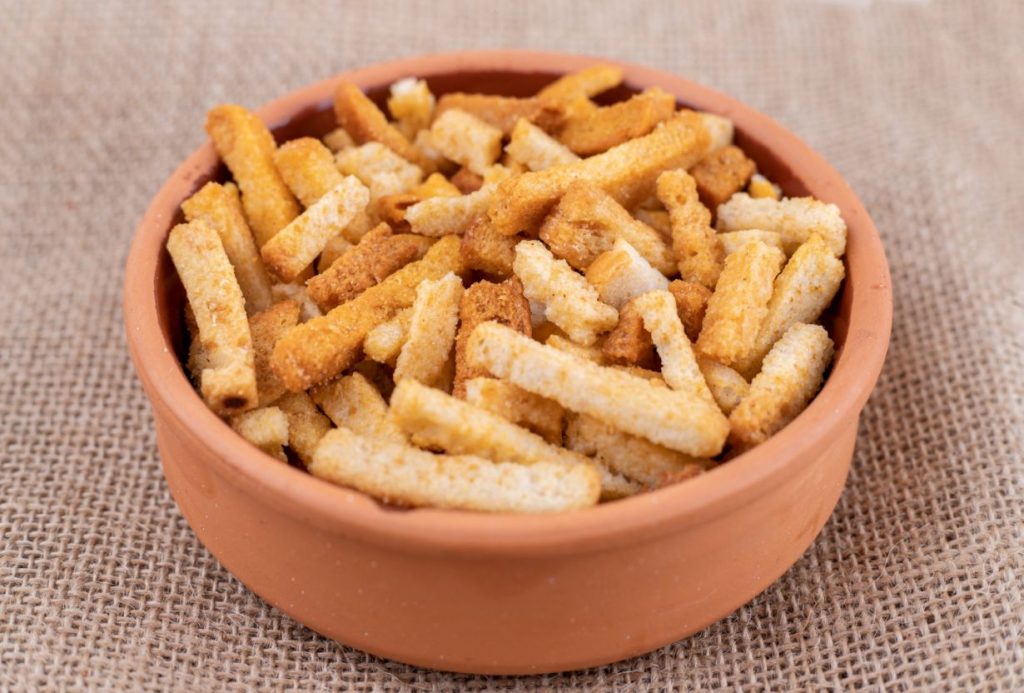
Photo by azerbaijan_stockers
The Simple Joy of Baking Breadsticks at Home
Many people fear yeast dough, but breadstick dough from scratch requires only patience: you simply need all-purpose flour, warm water, active dry yeast, sugar, salt, olive oil, and a little melted butter for brushing.
- Many people fear yeast dough, but breadstick dough from scratch requires only patience: you simply need all-purpose flour, warm water, active dry yeast, sugar, salt, olive oil, and a little melted butter for brushing.
- Start by mixing one packet of yeast with one cup of warm water and one teaspoon of sugar.
- Wait five minutes until it gets foamy.
- Then add two and a half cups of flour and one teaspoon of salt.
- Stir with a wooden spoon until all the ingredients come together and dough forms.
- Turn it onto a lightly floured counter and knead for eight minutes until the dough feels smooth and springs back when poked.
- Place the dough in an oiled bowl, cover it with a damp cloth, and let it rise for one hour.
- After that, punch it down and roll it into a rectangle about half an inch thick.
- Cut strips one inch wide, twisting each gently, and lay them on a parchment-lined baking sheet.
- Brush with melted butter, then sprinkle with coarse salt or garlic powder.
- Let them rise another twenty minutes.
- Bake at 400°F for twelve to fifteen minutes until golden brown.
That is your easy breadstick recipe mastered.
A Crunchy History of How Breadsticks Came to Be
Breadsticks did not start as a fancy restaurant side dish. They actually began in Italy during the seventeenth century, when a monk in Turin, Antonio of Saxony, suffered from stomach problems. To remedy this problem, he created long, hard, dry breadsticks called grissini because soft bread made him ill.
These early breadsticks were thin, brittle, and kept for weeks without spoiling. Their dryness was a feature, not a flaw.
Soon, local bakers realized that grissini pleased many customers with the texture of the bread, helping clean teeth and soothing sore gums.
By the eighteenth century, breadsticks spread from Turin to other Italian regions. The Savoy royal family loved them so much that they made grissini a court staple, with each royal meal including a silver basket of these crunchy rods.
Italian immigrants brought breadsticks to America in the late 1800s.
Restaurants in New York and Philadelphia served them in tall glasses as free appetizers. Over time, Americans added butter, garlic, and cheese.
The hard grissini style remains popular, but the soft, pillowy version became a household favorite.
Baking breadsticks at home connects you to this long, humble tradition.
What to Do with Your Fresh Breadsticks
Fresh homemade breadsticks disappear quickly, but you can try to save a few for creative uses.
Serving garlic butter breadsticks alongside a bowl of tomato soup or spaghetti and meatballs makes for excellent dippers for hummus, spinach dip, or warm marinara sauce.
Leftover breadsticks can become crunchy croutons by cutting them into small cubes, tossing with olive oil and herbs, then toasting in the oven at 300°F for ten minutes.
For breakfast, slicing soft, cheesy breadsticks in half lengthwise, toasting them, and spreading them with cream cheese and smoked salmon is wonderful.
Another idea: turn day-old breadsticks into bread pudding by tearing them into pieces, soaking them in sweetened egg and milk, then baking with raisins and cinnamon.
Breadsticks also freeze well. Wrap cooled breadsticks tightly in foil and store in a freezer bag for up to three months. Reheat in the oven at 350°F for five minutes. Do not microwave them, or they will turn rubbery.
Children love dipping breadstick dough into cheese sauce before baking. You can also shape the dough into letters or pretzel knots.
One final idea for your homemade breadsticks recipe: Host a breadstick party where everyone tops their own with sesame seeds, poppy seeds, or dried oregano.
Baking breadsticks becomes a family activity, not just a recipe.
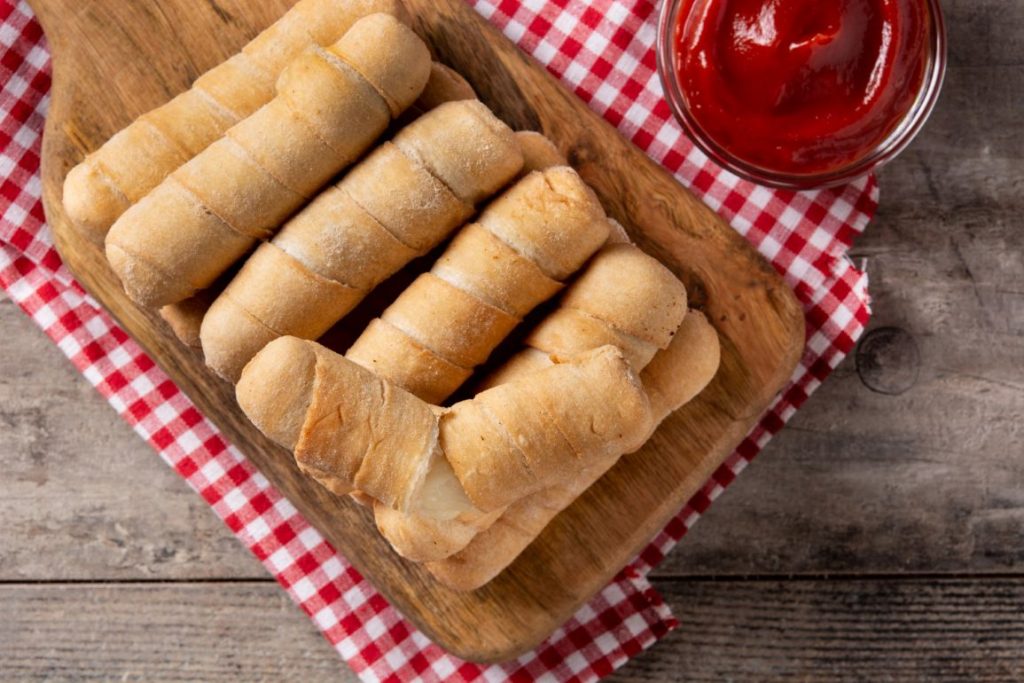
Photo by chandlervid85
Avoid These Common Pitfalls
New bakers sometimes rush the rise when they’re cooking breadsticks. Remember that yeast needs warmth and time. If your kitchen is cold, place the dough bowl near a sunny window or on top of the fridge.
Another mistake is using old yeast. Therefore, check the expiration date before starting. Fresh yeast should smell slightly sweet, not sour or flat.
Over-kneading makes tough breadsticks; so, stop when the dough feels elastic but still soft. Under-kneading leads to crumbly sticks that fall apart.
Measure flour by spooning it into the cup and leveling it off. This is because scooping directly from the bag packs too much flour, creating dry dough. If your dough feels stiff, add one tablespoon of water at a time, and if it sticks to everything, dust your hands with flour, not the counter. Too much flour on the surface makes the dough dense.
Brushing with butter twice—once before baking and once right after—gives a glossy, flavorful crust. For soft cheesy breadsticks, sprinkle shredded mozzarella or Parmesan over the dough before twisting. The cheese melts into golden pockets. Garlic butter breadsticks taste best when you mix minced garlic into the melted butter, not just garlic powder. Fresh garlic adds a gentle kick without bitterness.
Baking breadsticks from scratch is cheap compared to store-bought versions, with a single batch making about sixteen sticks–enough for a family of three to enjoy. For holidays or potlucks, you can double the recipe for more mouths to go around. Let children help with twisting and brushing while adults handle the hot oven. Share your creations with neighbors or freeze half for a busy weeknight.
Now that you know how simple and rewarding baking breadsticks can be, take the next step in your cooking journey.
For more timeless recipes that bring families together, pick up Eleanor Gaccetta’s Generations of Good Food.