Photo by Yaroslav Shuraev
Just starting to cook? Beginner cooking tips make the difference between eating something gross and eating something actually good. You don’t need expensive equipment or years of practice. The thing is, you just need to know what to do first.
When you use beginner cooking tips at home, you figure out that cooking is actually pretty simple. It’s not about following recipes perfectly. It’s about understanding how heat, salt, and timing work together. Once you get this down, you can make food taste good without stressing about every detail.
1. Read Your Recipe All the Way Through
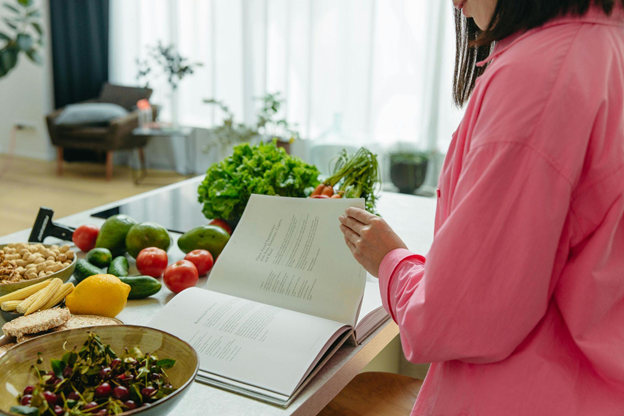
Read the whole recipe before you start. This is the first beginner cooking tip because it saves you. You’ll see what equipment you need, what prep takes time, and what happens next. You won’t be halfway through cooking, realize you forgot a step, and panic.
2. Get a Few Good Tools
You don’t need a ton of stuff. Beginner cooking tips say get what actually works. Buy a set of sharp chef’s knives, a set of cutting boards, a set of solid pots and pans, measuring spoons and cups, and some mixing bowls. That’s it. A heavy pan heats evenly and doesn’t burn your food. Good quality tools make cooking feel less frustrating.
3. Learn to Use Your Knife
Cutting vegetables properly saves time and cooks food evenly. Beginner cooking tips often skip this, but it matters. Hold the knife with a firm grip, but keep your shoulders relaxed. Rock the blade through vegetables instead of hacking at them. Curl your fingertips away from the blade. This gets natural pretty fast. Watch a YouTube video if you’re confused. Videos are a great way to learn proper techniques.
4. Control Your Heat
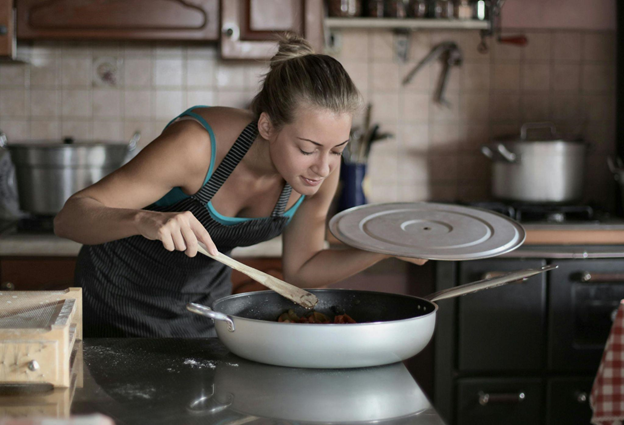
Don’t just crank the heat and hope. Beginner cooking tips teach you that different foods need different temperatures. High heat browns meat to seal in juices and taste. Medium heat cooks vegetables and sauces without burning them. Low heat is for simmering soups and melting chocolate. Hold your hand about six inches above the pan. If it feels really hot, your heat is high. If it feels warm, you’re at medium. Start on medium and change it if you need to.
5. Add Salt and Spices as You Cook
Most new cooks wait until the end to season. Beginner cooking tips say don’t do that. Season your food while you’re cooking it. Sprinkle salt into the pan as you go. Taste what you’re making. You can always add more salt, but you can’t take it out. This one thing makes food taste way better. If you cannot have salt for health reasons, there are many no-salt blends that add flavor and taste. Seasonings make the meal worth eating.
6. Know When Your Food Is Actually Done
Stop guessing. Here’s how you can tell. Meat should feel firm when you touch it. Fish flakes when you press it with a fork. Vegetables should be soft but not mushy. Pasta should be a little firm when you bite it. Get a meat thermometer if you cook chicken or pork. These give you real answers instead of wondering if your food is cooked through.
7. Keep Things Simple
Beginner cooking tips remind you that less is often more. You don’t need a long ingredient list to make something taste good. Fresh tomatoes, olive oil, and salt make an amazing sauce or salad. A chicken with lemon and garlic tastes incredible. Home cooking techniqueswork best when you let good ingredients speak for themselves instead of burying them under a bunch of other stuff.
8. Get Your Workspace Ready Before You Start
Professional kitchens do something called mise en place. Basically, you measure and prep everything before you start cooking. Chop your vegetables. Grab the spices you’ll use. Put everything within reach. This stops you from going crazy looking for stuff while your food is cooking. Your cooking goes smoother and you’re way less stressed. If possible, put items away as they are used to make clean-up much easier and prep space cleaner.
9. Your Mistakes Teach You Stuff
You’re going to have kitchen calamities. You’re going to burn pans. You’re going to oversalt things. Every person who cooks has done this. Beginner cooking tips include learning what works and what doesn’t. Keep trying. You’ll get better faster by learning from your mistakesand figuring out why than by doing everything perfectly.
10. Master One Thing Before You Move On
Learning to cook easily means picking one skill and getting good at it. Master scrambled eggs before you try omelets. Get comfortable with pasta before you attempt risotto. Build what you know step by step. This stops you from feeling overwhelmed and actually sticks in your brain.
11. Use Recipes from People Who Know What They’re Doing
Beginner cooking tips work better when you trust the source. The New York Times Cooking site has recipes tested by real people with actual comments. Food websites like Serious Eats explain why things work, not just how to do them. Pick sources you trust and stick with them.
Beginner Cooking Tips: Keep Going
Your beginner cooking tips foundation opens up the whole world of food.
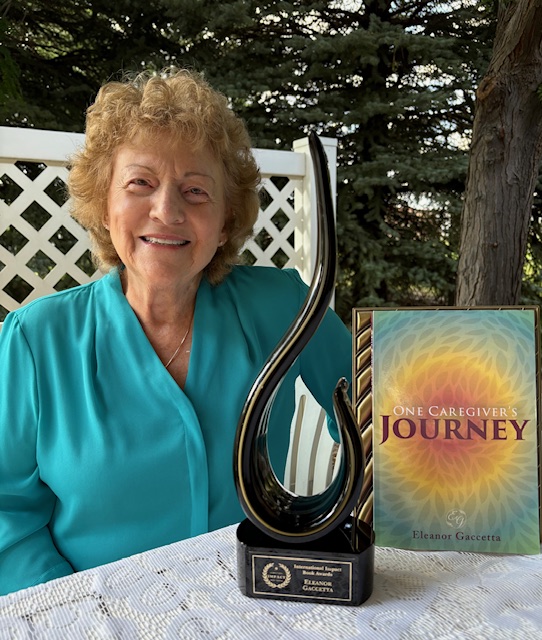
If Italian cooking interests you, grab a copy of Generations of Good Foodby Eleanor Gaccetta. It has almost 200 Italian recipes that came down through six generations of one family, plus the stories behind them. The recipes are straightforward enough for someone just starting out, but the food tastes like someone who really knows what they’re doing made it. You get everything from pasta to bread to desserts. Some cookbooks overwhelm you. This one actually helps you cook real food your family wants to eat.
Whether you’re learning the basics or exploring your heritage through food, this book takes your cooking somewhere real. Pick up a copy now! Generations of Good Food is also available on Amazon and Barnes and Noble.