


Photo by Mikhail Nilov
Caring for a loved one who is aging or ill has always been a demanding and deeply personal task. As long as people have thought of ways to lighten their burdens and ease their work, caregiving has been a massive beneficiary of their ideas and inventions. Today is no different.
Driven by rapid advancements in digital tools, a powerful shift is beginning to transform caregiving as we know it.
Technology in caregiving has always represented a bold new frontier, offering support that was unimaginable just a few years ago. From robots that allow virtual visits to artificial intelligence that offers a listening ear, innovation is stepping in to ease the burden on family members and professional aides alike.
This exciting development is more than just a trend; it is a profound change that is reshaping how we understand and deliver care.
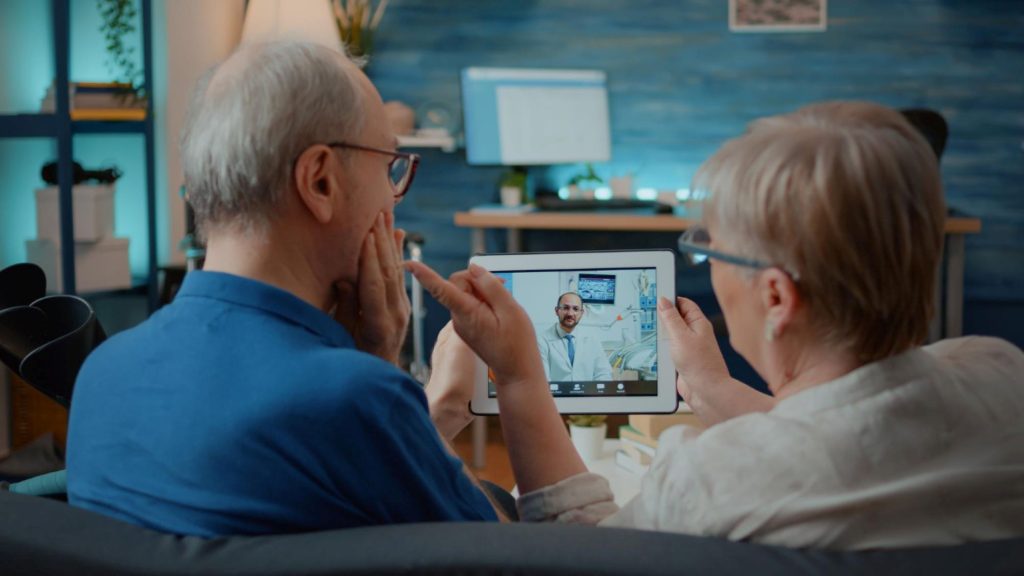
Photo by DC Studio
The Rise of Robotic Companions and Virtual Presence
In this new frontier of caregiving technology, the most promising is the use of telepresence robots in long-term care settings. Essentially, these are tablets on wheels that a family member can control from their own home using a smartphone or computer.
When COVID-19 ran rampant throughout the world, and lockdowns were enforced, in-person visits to hospitals, hospices and care homes (especially care homes) were often impossible and, when they did occur, were quite limited and often disruptive to the healthcare system at large. Thus, these kinds of robots were introduced, becoming a lifeline and showcasing revolutionary potential in redefining how we approach long-distance care and interaction.
Care partners who used these robots during the lockdowns reported feeling less burdened and more connected to their loved ones in nursing homes. The presence of the telepresence robots allowed them greater freedom to be “present” for a virtual walk down the hall or to check in on a meal, creating a sense of involvement that a simple phone call could never provide and should not be expected to.
This technology moves beyond current limits by allowing caregivers to drive the robot, adjust its height, and move it to where the resident is, all without needing help from the nursing home staff. The potential for development is nearly limitless!
The independence that is fostered due to these machines creates a stronger relationship between the family and the care team, as it creates a new channel for communication and shared decision-making.
For many, this pioneering opportunity mitigates the pain that comes with medical and rehabilitative isolation, transforming what should be a painful separation into a more manageable concern where the goal is always to lessen the total harm and frustration that comes with having to be confined to bed and to allow them to participate in daily moments of life.
Replacing human caregivers isn’t the goal for this piece of technology (or for any others that might be mentioned in this article), but to enhance it and make distance feel less like a barrier. It should, therefore, be more like an opportunity to engage from another angle.
Artificial Intelligence as a Digital Companion
Artificial intelligence, as with everywhere else, is making its mark in ways that provide quiet, steady support for the caregiver. Many individuals who provide care for a family member do not immediately see themselves as “caregivers,” a phenomenon that can lead to hidden stress and delays in seeking help.
To address this, researchers are designing AI-driven chatbots to act as personal guides: digital companions built to help people recognize their role and reflect on their personal situation.
By asking thoughtful questions, the chatbot can help a person see the scope of their duties and suggest relevant resources or support services they might not know about.
This technology provides continuous companionship and personalized assessment for the caregiver. These chatbots are programmed to help increase a person’s self-awareness and offer a safe space to process their feelings.
Although not without its potential issues, chatbot technology is a powerful tool in the next wave of progress for caregiving, as it helps caregivers feel more confident and less alone.
Digital support is designed to be accessible and straightforward, making it easier for anyone to navigate the complex emotional and practical landscape of caregiving.
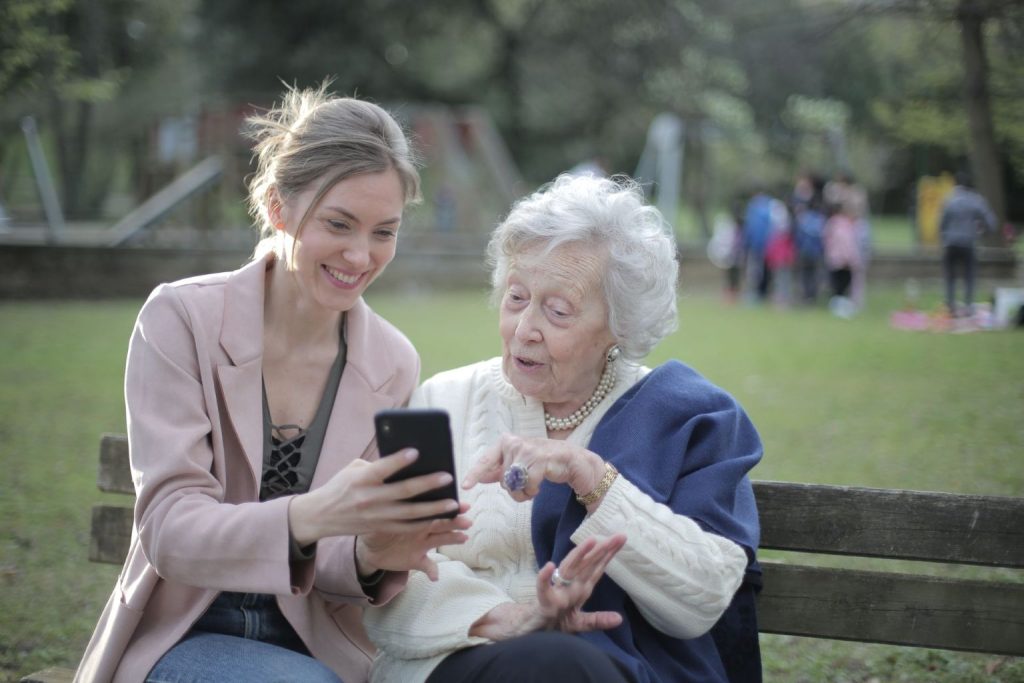
Photo by Andrea Piacquadio
Looking Ahead: The Future of Innovation in Care
As the potential for technology in caregiving expands, a possible future is becoming clearer on the horizon, where care is more integrated and accessible for everyone. There will eventually be a time when everyone who is in need of care will receive it.
As for now, countless experts are exploring how AI and digital platforms can connect families with qualified caregivers, create professional networks, and even help with remote health monitoring. In time, there will be comprehensive systems that will allow for seamless connection with people in demand of care and people who will provide it.
Organizations like the Administration for Community Living are actively examining how to adopt these new technologies, focusing on making them accessible and effective for all families. These efforts aim to ensure that the benefits of this new frontier reach those who need them most. It is an exciting time where we are learning how to blend human kindness with digital intelligence to create a better experience for everyone involved.
Do not see these as replacements for human empathy, but as tools to amplify our capacity to care.
This is a chance to rethink traditional models of care and build more resilient support systems for an aging population, marking a significant step into uncharted territory. While technology offers amazing new tools, it will never replace the profound value of human connection and personal experience.
For a deeper, more personal view of this journey, consider the story of Eleanor Gaccetta in the book One Caregiver’s Journey:a heartfelt memoir that details the real-life challenges, rewards, and everyday moments of providing care for her mother for over nine years.
You can buy Eleanor Gaccetta’s One Caregiver’s Journey and gain inspiration and wisdom from someone who has truly lived this experience and become a better person because of it.
