Caring for a loved one with Alzheimer’s disease or dementia can feel overwhelming and isolating. The daily challenges of managing symptoms, navigating healthcare systems, and watching someone you love change can take an enormous emotional and physical toll. You’re not alone in this journey, and you don’t have to face it without support.
Caregiver support groups for Alzheimer’s disease and dementia offer a lifeline for families navigating this difficult path. These groups provide practical guidance, emotional support, and connection with others who truly understand what you’re experiencing. Whether you’re caring for someone in the early stages of dementia or managing advanced Alzheimer’s symptoms, finding the right support network can make a profound difference in your ability to provide care while maintaining your own well-being.
This comprehensive guide explores the various types of Alzheimer’s support groups for family members, how to find local resources, and what you can expect when you join a support community. We’ll also examine specialized options like early-onset dementia support groups and online alternatives that can fit different schedules and preferences.
Understanding the Need for Alzheimer’s Support for Caregivers
Alzheimer’s disease affects more than 6 million Americans, and each person diagnosed impacts an entire network of family members and friends who provide care. The Alzheimer’s Association estimates that over 11 million Americans provide unpaid care for people with Alzheimer’s or other dementias, contributing more than 18 billion hours of care annually.
Caregiving for someone with dementia presents unique challenges that set it apart from other types of caregiving. The progressive nature of these conditions means that care needs constantly evolve, and behavioral changes can be unpredictable and distressing. Many caregivers report feeling unprepared for the responsibilities they’ve taken on, leading to increased stress, depression, and health problems.
Research consistently shows that caregivers who participate in support groups experience better outcomes. They report reduced stress levels, improved coping strategies, and better physical health. Support groups also help prevent caregiver burnout, which benefits not only the caregiver but also the person receiving care.
Types of Dementia Resources for Caregivers
In-Person Support Groups
Traditional in-person support groups remain one of the most popular and effective forms of caregiver support. These groups typically meet weekly, bi-weekly, or monthly at community centers, hospitals, senior centers, or faith-based organizations. Led by trained facilitators who may be social workers, nurses, or experienced caregivers themselves, these groups provide a safe space to share experiences and learn from others.
In-person groups offer the advantage of face-to-face interaction and the ability to form deeper personal connections. Many participants find that the ritual of attending regular meetings provides structure and something to look forward to during difficult times.
Online Support Groups
Online caregiver support groups for Alzheimer’s disease have become increasingly popular, especially for those with transportation challenges or busy schedules. These virtual communities operate through video conferencing platforms, forums, or specialized apps designed for caregiver support.
Digital support groups offer flexibility and accessibility that traditional meetings cannot match. They eliminate geographical barriers, allowing caregivers in rural areas or those with limited local resources to connect with others. Many online groups operate 24/7, providing support when it’s needed most.
Specialized Support Groups
Some support groups focus on specific aspects of dementia caregiving or serve particular populations:
Early-onset dementia support groups cater to families dealing with dementia diagnosis before age 65. These groups address unique challenges such as employment issues, parenting concerns, and the different progression patterns often seen in younger-onset cases.
Spouse-specific groups recognize that caring for a life partner presents different emotional and practical challenges than caring for a parent or other family member.
Adult children groups focus on the experience of caring for aging parents while often managing their own families and careers.
Cultural and language-specific groups provide culturally sensitive support and may conduct meetings in languages other than English.
Finding Support Groups for Alzheimer’s Caregivers Near Me
National Organizations
The Alzheimer’s Association serves as the primary resource for finding local support groups. Their website features a comprehensive database where you can search by zip code to find meetings in your area. The organization sponsors thousands of support groups nationwide and provides training for facilitators to ensure consistent, high-quality experiences.
Other national organizations that maintain support group directories include:
- The National Alliance for Caregiving
- AARP’s caregiver resource center
- The Family Caregiver Alliance
- Local Area Agencies on Aging
Healthcare-Based Resources
Many hospitals, medical centers, and healthcare systems host their own support groups for dementia caregivers. These groups often have the advantage of being connected to medical professionals who can provide clinical insights alongside peer support.
Geriatricians, neurologists, and other healthcare providers who specialize in dementia care frequently maintain lists of local resources. Don’t hesitate to ask your loved one’s healthcare team for recommendations.
Community Resources
Religious organizations, senior centers, and community centers frequently host or know about local support groups. Libraries often maintain bulletin boards with information about community resources, and many librarians are knowledgeable about local support services.
Local chapters of service organizations like Rotary Club, Lions Club, or faith-based groups may sponsor support meetings or know of existing groups in the community.
What to Expect from Your First Meeting
Attending your first support group meeting can feel intimidating, but most groups work hard to create welcoming environments for newcomers. Here’s what typically happens:

Find Encouragement in the Caregiving Journey
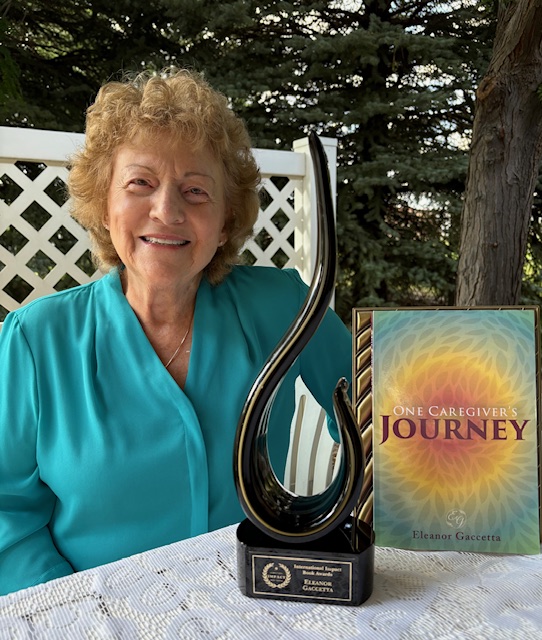
One Caregiver’s Journey
By Eleanor Gaccetta
Genre: Memoir / Family Caregiving
Caring for a loved one can bring moments of joy, exhaustion, and uncertainty. In One Caregiver’s Journey, Eleanor Gaccetta shares heartfelt memories, humor, and practical insights from nine and a half years of caring for her mother. Discover a personal story that reminds caregivers they are not alone.
Find Your Copy on AmazonMeeting Structure
Most groups follow a predictable format that helps create stability for participants. Meetings usually begin with introductions, especially acknowledging new members. A typical session might include:
- Check-ins where members share recent experiences or challenges
- Discussion of specific topics related to dementia caregiving
- Sharing of resources, tips, or strategies
- Time for questions and problem-solving
- Closing remarks or affirmations
Group Dynamics
Effective support groups maintain confidentiality rules and establish norms that encourage respectful sharing. Facilitators help manage discussions to ensure everyone has opportunities to participate while preventing any individual from dominating conversations.
You’ll likely encounter people at different stages of their caregiving journey. Some may be newly dealing with a diagnosis, while others have been providing care for years. This diversity can be incredibly valuable, offering both hope and practical wisdom.
Emotional Aspects
Support groups provide a rare opportunity to express difficult emotions without judgment. It’s common and healthy to experience relief at finding others who understand your situation. Many caregivers report feeling validated and less alone after their first meeting.
Don’t be surprised if you feel emotional during or after meetings. Processing these feelings with people who truly understand can be therapeutic, even when it’s difficult.
Benefits of Joining Alzheimer’s Caregiver Support Groups

Practical Knowledge and Skills
Support groups serve as informal classrooms where experienced caregivers share practical strategies for managing daily challenges. You might learn:
- Techniques for managing difficult behaviors
- Strategies for communication as dementia progresses
- Tips for home safety modifications
- Information about community resources and services
- Guidance on legal and financial planning
Emotional Support and Validation
Perhaps most importantly, support groups provide emotional relief through validation and understanding. Connecting with others who face similar challenges helps combat the isolation that many caregivers experience.
Group members often describe feeling understood in ways that even well-meaning friends and family cannot provide. This understanding can reduce feelings of guilt, frustration, and helplessness that commonly affect dementia caregivers.
Stress Reduction and Coping Strategies
Regular participation in support groups has been shown to reduce caregiver stress and improve mental health outcomes. Groups provide opportunities to learn and practice coping strategies, stress management techniques, and self-care approaches.
The social connection alone can significantly impact stress levels. Having dedicated time to focus on your own needs and experiences, rather than solely on caregiving tasks, supports mental and emotional well-being.
Resource Sharing and Referrals
Support group members become valuable sources of information about local resources, services, and professionals. Members often share recommendations for:
- Healthcare providers specializing in dementia
- Adult day programs and respite care services
- Legal and financial advisors
- Home health agencies
- Medical equipment suppliers
Overcoming Common Barriers to Participation
Time Constraints
Many caregivers feel they cannot spare time for support group meetings due to care responsibilities. Consider these solutions:
- Look for groups that offer respite care during meetings
- Explore online options that provide more scheduling flexibility
- Ask family members or friends to provide care coverage during meeting times
- Remember that taking care of yourself ultimately benefits the person you’re caring for
Transportation Challenges
If getting to meetings is difficult, consider:
- Groups that offer transportation assistance
- Online alternatives that eliminate travel needs
- Asking other group members about carpooling opportunities
- Exploring groups at locations accessible by public transportation
Emotional Resistance
Some people feel uncomfortable sharing personal information or worry about becoming too emotional in group settings. Keep in mind:
- Participation levels can be adjusted to your comfort level
- Many groups welcome observers who prefer to listen rather than share
- Skilled facilitators help create safe, supportive environments
- You can always leave if a group doesn’t feel right for you
Stigma and Privacy Concerns
Concerns about privacy or stigma associated with dementia can prevent people from seeking support. Remember:
- Support groups maintain strict confidentiality
- Participants understand the sensitive nature of shared information
- Finding support often reduces rather than increases feelings of stigma
- You control how much personal information you choose to share
Making the Most of Your Support Group Experience
Come Prepared
Consider bringing a notebook to jot down helpful tips, resources, or contact information. Having specific questions or topics you’d like to discuss can help you get the most from meetings.
Be Patient
It may take several meetings to feel comfortable and begin forming connections. Group dynamics take time to develop, and finding your place within the community is a gradual process.
Contribute When Ready
While there’s no pressure to share immediately, contributing your own experiences and insights when you feel ready enriches the group for everyone. Your perspective may help someone else who’s facing similar challenges.
Stay Open to Different Viewpoints
Group members will have different caregiving philosophies, family dynamics, and coping strategies. Remaining open to diverse approaches can expand your own toolkit for managing challenges.
Specialized Resources and Alternative Support Options
Professional Counseling
While peer support groups offer tremendous value, some caregivers also benefit from individual or family counseling with professionals who specialize in dementia-related issues. Many therapists offer services specifically designed for dementia caregivers and families.
Educational Programs
Many organizations offer structured educational programs that complement support group participation. These might include:
- Multi-session workshops on specific caregiving skills
- Conferences and seminars on dementia research and care strategies
- Online courses covering various aspects of dementia caregiving
Respite Care Programs
Respite care services provide temporary relief for caregivers and often connect families with additional support resources. Some programs combine respite services with caregiver education and support.
Technology-Based Support
Apps and digital platforms designed for dementia caregivers continue to evolve, offering features like:
- Medication reminders and health tracking
- Connection to virtual support communities
- Educational resources and care planning tools
- Professional consultation services
The Future of Caregiver Support
As understanding of dementia and caregiving needs grows, support services continue to evolve. Emerging trends include more specialized groups addressing specific needs, integration of technology to enhance accessibility, and increased focus on culturally appropriate support services.
Research continues to demonstrate the importance of caregiver support in improving outcomes for both caregivers and care recipients. This evidence supports continued investment in and development of comprehensive support programs.
Building Your Support Network
Caregiver support groups for Alzheimer’s disease and dementia offer invaluable resources for families navigating these challenging conditions. Whether you choose in-person meetings, online communities, or specialized groups, connecting with others who understand your experience can provide practical knowledge, emotional support, and renewed strength for your caregiving journey.
The path of dementia caregiving is not one you have to walk alone. Support groups provide communities of understanding where you can learn, share, and find hope. While each person’s caregiving experience is unique, the common thread of love and dedication that brings people to these groups creates powerful bonds of mutual support.
Take the first step by reaching out to local resources or exploring online options. Your participation not only benefits you but also contributes to a community of care that supports other families facing similar challenges. In building these connections, we create networks of support that strengthen everyone involved in the journey of dementia care.
Conclusion and Call to Action
Joining caregiver support groups for Alzheimer’s and dementia can be a powerful lifeline. These groups provide more than just advice—they offer understanding, encouragement, and a safe place to share your journey. No one should have to face the challenges of caregiving alone. By connecting with others who truly understand, you gain strength, hope, and valuable tools to care for both your loved one and yourself.
Call to Action:
Take the next step toward support today. Find a local or online caregiver support group and connect with others walking the same path. For more resources, tips, and emotional support, subscribe to our caregiving community or visit our support hub to get started.
1. What are caregiver support groups for Alzheimer’s and dementia?
Caregiver support groups are safe spaces where family members and friends caring for someone with Alzheimer’s or dementia can share experiences, get emotional support, and learn practical caregiving tips. These groups help reduce stress and provide valuable resources for better care.
2. Why should I join a caregiver support group?
Joining a support group helps you feel less alone. You’ll connect with others who understand what you’re going through, learn new coping skills, and find emotional comfort. Studies show caregivers in support groups experience lower stress and better overall health.
3. Are Alzheimer’s support groups free to join?
Yes, many caregiver support groups especially those offered by nonprofit organizations like the Alzheimer’s Association are free. Some private or hospital-based programs may have small fees, but most community and online groups are cost-free.
4. Where can I find Alzheimer’s caregiver support groups near me?
You can find local groups through the Alzheimer’s Association’s online directory, hospitals, senior centers, faith-based organizations, or community bulletin boards. You can also ask your loved one’s doctor or local Area Agency on Aging for recommendations.
5. What happens during a support group meeting?
Most meetings include introductions, open discussions, sharing of caregiving experiences, and expert advice. Trained facilitators guide the conversation, ensuring confidentiality and emotional safety. Some sessions also include guest speakers or educational materials.