


Photo by Andriyko Podilnyk on Unsplash
Understanding the caregiver vs home health aide difference is essential when families need home support. The distinction between a caregiver vs home health aide matters greatly when your loved one needs help. These two roles sound similar on the surface, but they serve different purposes and require different training. Knowing which one your family needs saves time, money, and stress. The choice between a caregiver vs home health aide affects everything from daily care to medical oversight.
Many families wonder about the caregiver vs home health aide difference. The terminology often gets used interchangeably, but the roles differ significantly. One focuses on daily living support while the other provides medical care. Some families need both. Let’s break down exactly what each role involves so you can make the right choice for your situation.
What an In-Home Caregiver Does
An in-home caregiver provides personal care and assistance with daily activities. They help your loved one with tasks they can no longer manage alone. Understanding caregiver responsibilities is essential before hiring someone. A caregiver prepares meals, helps with bathing and dressing, manages light housekeeping, and runs errands. They offer companionship and emotional support. They help your loved one maintain independence and dignity.
Caregivers do not provide medical care. They cannot administer injections, change wound dressings, or perform medical assessments. They work under your family’s direction, not a doctor’s orders. This boundary matters when comparing the caregiver vs home health aide roles. Caregivers focus on the person, not the condition.
What a Home Health Aide Does
A home health aide works under medical supervision and provides medical support that caregivers cannot. Understanding healthcare aide duties helps clarify their unique role. These professionals work as part of a healthcare team directed by a physician or nurse.
Home health aides monitor vital signs, help with catheter care, assist with wound dressing changes, and report health changes to nurses. They support physical therapy exercises and help with mobility safely. Your loved one’s doctor supervises their work through a home health agency.
The caregiver vs home health aide comparison shows that aides need more training. They complete certified nursing assistant programs and must pass state exams in most areas.
Key Differences in Training
Home health aides must complete specific educational programs. Most states require 75 to 150 hours of training. They must pass certification exams and maintain their credentials through continuing education. Caregivers have fewer regulatory requirements. Many states don’t mandate formal training for personal care assistants.
The caregiver vs home health aide training difference affects cost significantly. Home health aides typically charge more because they have medical expertise. They work through licensed agencies that verify credentials. Caregivers often cost less, especially if hired privately. This financial reality influences many families’ decisions when choosing between a caregiver vs home health aide.
When You Need a Caregiver
You need a caregiver when your loved one requires help with daily living but doesn’t need medical care. They’re ideal for someone recovering from surgery with no complications. They work well for seniors who need help with bathing and dressing. A home care services comparison shows that caregivers excel at building relationships. They spend extended time with your loved one and become familiar with their routines. They notice small changes in mood or appetite that matter.
When You Need a Home Health Aide
You need a home health aide when medical needs exist. Choose an aide if your loved one takes complex medications requiring monitoring. They’re necessary for someone with chronic conditions like diabetes or heart disease. Home health aides work well for post-surgical recovery involving medical complications. They’re essential after hospitalization when someone needs skilled observation. If your loved one’s doctor orders home health services, your insurance often covers it.
In-Home Caregiver vs Home Health Aide: Making Your Decision
Understanding the caregiver vs home health aide choice starts with your loved one’s actual needs. Does your loved one need medical monitoring or just help with daily tasks? Talk to your loved one’s doctor about which option fits best.
Many families hire both a home health aide for medical needs and a caregiver for companionship during evening hours. This combination approach works well for complex situations. The right choice depends on your unique situation and what your insurance covers.
Finding the Right Support
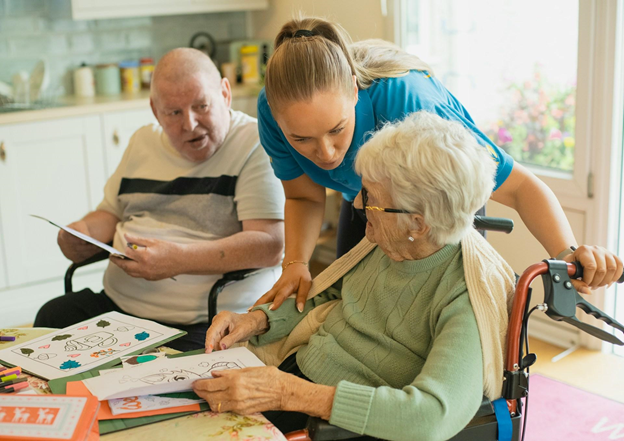
Photo by Age Cymru on Unsplash
For families navigating caregiving, having the right information changes everything. That’s why Eleanor Gaccetta’s “One Caregiver’s Journey” proves invaluable. Her personal memoir shares nine and a half years of real caregiving experience with her mother. She provides practical strategies you can use immediately and honest stories about the challenges you’ll face. Whether you’re hiring professional help or handling caregiving yourself, this book gives you a roadmap. Gaccetta’s blueprint for navigating caregiving stages and transitions helps you make better decisions.
For more information about home care options, the National Alliance for Caregiving provides resources at https://www.caregiving.org. The Family Caregiver Alliance offers practical support at https://www.caregiveraction.org/.
Your loved one deserves quality care. Getting clear about your options makes that possible. Obtain your copy of “One Caregiver’s Journey” today!
