Photo by Lifestylememory
Becoming a caregiver is one of the most important jobs you will ever take on. Thus, the caregiving basics for beginners start with understanding that this role changes everything.
Before you jump in, you need to know what you are signing up for.
This is about cutting your teeth on the real experiences that shape good caregivers. Therefore, learning these core fundamentals first will help you survive and even find joy in the work.
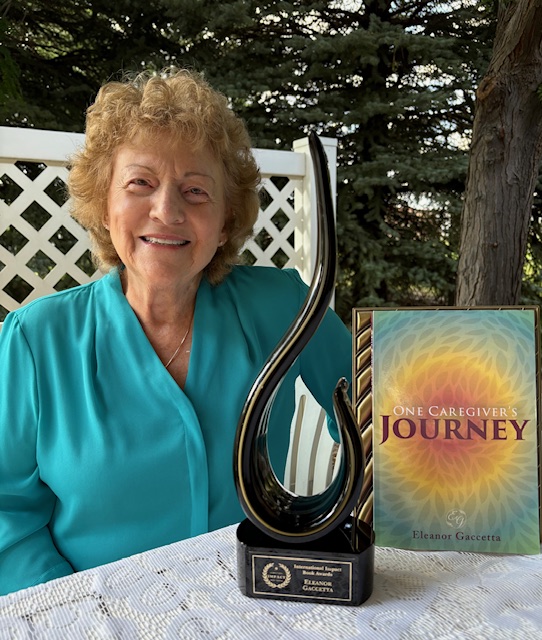
Ellie Gaccetta, author of One Caregiver’s Journey, cared for her mother for nine and a half years until her mother passed at age 102, learning the hard way what works and what doesn’t.
Her story shows us the foundational skills every new caregiver needs.
Cutting Your Teeth in Caregiving
Cutting your teeth means gaining experience through real work, and in caregiving, this means learning by doing while also preparing yourself ahead of time.
You cannot read one book and know everything. It’s the job that teaches you every single day.
“I believe we’re all given a role in life and each person’s role is unique, but similarities exist.”
Those similarities are the basics we can all learn, which can include patience, flexibility, and knowing your own limits.
When you start, you will make mistakes–and everyone does.
The key is to learn from them and keep going, which is the real meaning of learning the ropes.
Your Attitude Sets the Tone
Your loved one will pick up on how you feel. If you are angry or upset, they will feel it too. Ellie’s mother remained happy and gentle throughout her whole journey.
That did not happen by accident.
Ellie worked hard to keep a positive home, learning how to rein in her negative emotions and working hard to turn them on their heads, making them positive.
“Caregivers know how to play, they know how to laugh, and they appreciate the little stuff.”
You Must Take Care of Your Own Body First
Every caregiving book says this, and Ellie agrees, but adds a reality check: you may not be able to put yourself first all the time, but you must find ways to stay healthy.
When caregivers get sick, there is no backup.
Therefore, you must stay well and eat right when you can.
Remember that your body is the basis from which your help comes. If you don’t have your body with you, you can’t help anyone and are more likely to become a burden.
Get Your Paperwork in Order Early
Do not wait until there is a crisis. Ellie learned this lesson from both her mother and her aunt: “It is imperative for family members to ensure that elderly relatives have all the necessary documentation completed while they are able to make good decisions.”
You need:
- Medical Power of Attorney
- Do Not Resuscitate orders
- Lists of medications
- Access to bank accounts
- Funeral plans
Create Routine and Structure
Ellie had a schedule that worked: Mom got up at 9 a.m. Shower, meds, breakfast. Snack at 10:30 a.m. Lunch at noon. Nap. Dinner. Bed by 7:45 p.m.
Routine helps everyone, cutting down on confusion and making the day predictable while also giving the caregiver breaks they can count on.
“A caregiver usually finds that having a routine will help alleviate boredom and loneliness.”
Know That Friends Will Disappear
This is hard but true. When you become a full-time caregiver, your social life changes, and people stop calling, unable or unwilling to understand why you cannot go out.
“Your circle of friends will become much smaller once you become a caregiver. Those who remain your friends have likely been caregivers or have elderly family members they routinely check in on.”
This does not mean people are bad; it just means they cannot relate.
Find support from others who have walked this road.
You Cannot Do It All Alone
Even Ellie, who did most things herself, had help. She had a brother who came when he could, and an acquaintance who was a retired nurse friend, who each could give her long and much-needed breaks.
There were also some cousins who helped with errands.
“This is about the village it takes to provide good care.”
Accept help when it is offered, and ask for help when you need it.
Watch for Scams and Predators
Old people make for easy targets for scammers. Ellie recalls in the book an aunt who was scammed multiple times. People actively stole from her, even as she bought fake funeral plans, signing papers she should not have.
“The predominant warning to boomers is that older people are scam magnets and they and their family members need to be vigilant.”
Do not let your loved one answer calls from strangers. Check their mail, and know who is coming into your home.
This is part of the initial training that keeps your loved one safe.
End-of-Life Decisions Must Be Made
This is the hardest part, but it must be done. Ellie and her brother made these choices together, deciding when to stop calling paramedics and simply try to keep their mom comfortable at home.
“Our decision was to make Mom safe and less confused amidst love when these episodes occur.”
These are not decisions you want to make in a panic. Talk about them early. Know what your loved one wants.
The Transition Will Change You
At some point, you stop being the child and become the parent. Ellie writes about this shift, which might happen fast for some, or slow for others.
But it happens.
“Regardless of when you recognize that the transition [has] begun you need to be in tune to not only your own future, but to that of your loved one as well.”
This is part of cutting your teeth on the emotional side of caregiving. It changes how you see everything.
Ellie Gaccetta’s One Caregiver’s Journey is filled with real stories, honest advice, and hard-won wisdom. If you are starting this road or struggling along the way, her words will help you feel less alone.