Bathing is a part of our daily routine that we often do without thinking. But for many older adults, it can become one of the most dangerous tasks of the day. Slippery surfaces, high bathtub walls, and difficulty moving can turn the bathroom into a hazard zone. This is why understanding and implementing elderly bathing safety tips is so critical for preventing accidents and maintaining independence.
The good news is that with some simple changes, you can make bathing safe, comfortable, and even enjoyable again. This guide will walk you through easy steps to create a bathing routine that protects your loved one and gives you peace of mind.
Why Bathroom Safety is So Important for Seniors
Let’s start with the facts. Understanding the risk helps us see why these safety tips are so crucial.
- Falls are a Major Problem: According to the National Council on Aging, every 11 seconds, an older adult is treated in an emergency room for a fall. Every 19 minutes, an older adult dies from a fall.
- The Bathroom is a Key Area: The CDC reports that over 200,000 bathroom injuries happen every year in the U.S. alone. Most of these are falls.
- Falls Have Serious Consequences: For an older person, a broken hip or other fall-related injury can lead to a loss of independence, a long hospital stay, and a slower recovery process.
The goal isn’t to scare you. It’s to show that taking a few simple steps can prevent these life-changing accidents.
Simple and Effective Elderly Bathing Safety Tips
You don’t need to do a full bathroom remodel to make it safer. Many of the best elderly bathing safety tips are easy and affordable.
1. Use Non-Slip Mats and Strips
The biggest danger in the bathroom is slipping on wet, smooth surfaces.
- Inside the Tub/Shower: Place a non-slip rubber mat with suction cups on the bottom. Even better, apply adhesive non-slip strips directly to the tub or shower floor. They provide a gritty surface for sure footing.
- Outside the Tub/Shower: Place a absorbent, non-slip bath mat on the floor. Make sure it has a rubber backing so it doesn’t slide when stepped on.
2. Install Grab Bars
This is the most important safety feature you can add. Do not use a towel bar as a substitute. Towel bars are not designed to hold a person’s weight and will break off easily.
- Where to Place Them: Install grab bars vertically and horizontally near the toilet and inside and outside the shower and tub. The National Institute on Aging provides a helpful guide on optimal placement.
- Proper Installation: Have them installed into the wall studs (the strong wooden frames behind the wall) by a professional or a handy family member. This ensures they can support weight safely.
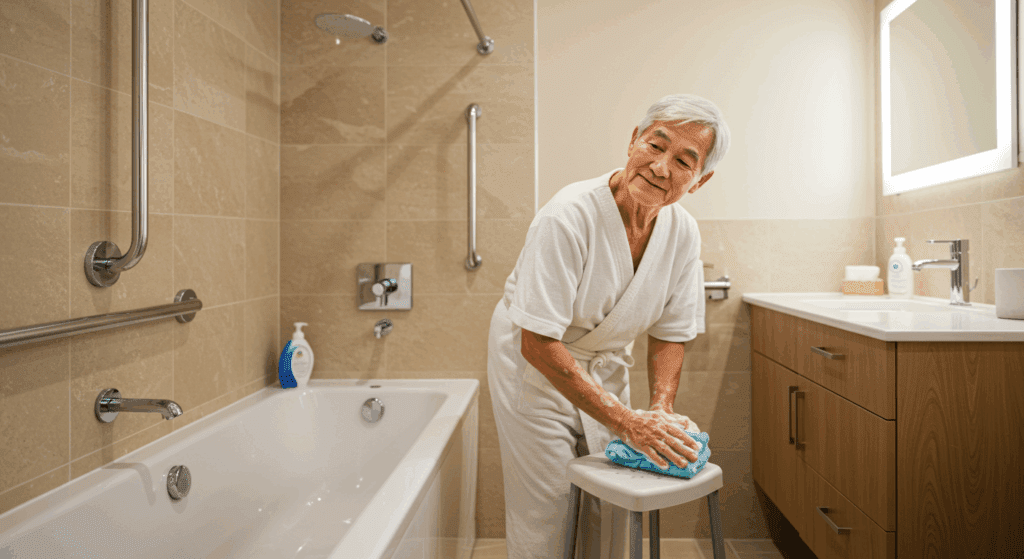
3. Get a Shower Chair or Bench and a Handheld Showerhead
Standing for a long time in a shower can be tiring and unsteady. Sitting down removes this risk entirely.
- Shower Chair/Bench: A sturdy chair or bench allows a person to bathe while seated comfortably.
- Handheld Showerhead: This is a game-changer! A handheld showerhead lets someone rinse off easily while sitting down without having to twist or turn. It gives them control and independence.

Find Encouragement in the Caregiving Journey
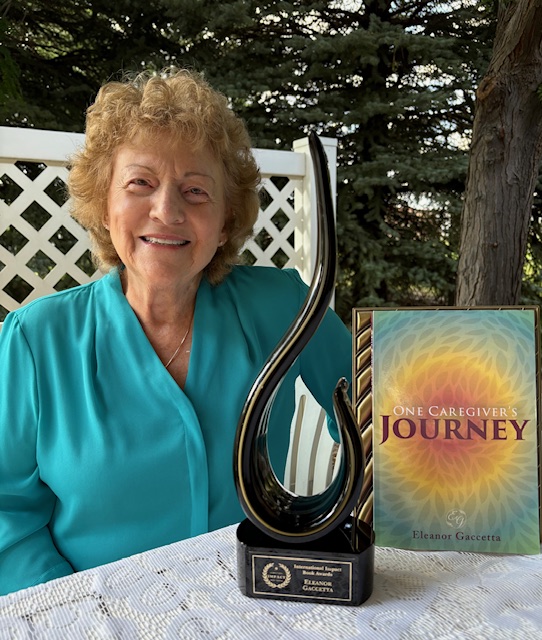
One Caregiver’s Journey
By Eleanor Gaccetta
Genre: Memoir / Family Caregiving
Caring for a loved one can bring moments of joy, exhaustion, and uncertainty. In One Caregiver’s Journey, Eleanor Gaccetta shares heartfelt memories, humor, and practical insights from nine and a half years of caring for her mother. Discover a personal story that reminds caregivers they are not alone.
Find Your Copy on Amazon4. Adjust the Water Temperature
Older skin is more sensitive and can burn easily.
- Set the Water Heater: Lower your water heater thermostat to 120 degrees Fahrenheit (49 degrees Celsius) to prevent scalding, as recommended by the U.S. Consumer Product Safety Commission.
- Test the Water: Always test the water temperature with your hand or elbow before getting in.
5. Keep Things Within Easy Reach
Prevent stretching and bending, which can cause a loss of balance.
- Use a Caddy: Keep shampoo, conditioner, soap, and a washcloth in a shower caddy that hangs within easy reach from a seated or standing position.
- Organize: Make sure everything needed for bathing is in the bathroom before starting.
6. Improve Lighting
Good lighting helps prevent missteps and confusion.
- Night Lights: Use plug-in night lights to illuminate the path from the bedroom to the bathroom for those middle-of-the-night trips.
- Bright Bulbs: Ensure the main bathroom light is bright enough to see clearly. Consider a nightlight in the bathroom itself that stays on all night.
7. Keep the Floor Clear
Tripping over clutter is a common cause of falls.
- Tidy Up: Keep the floor free of towels, laundry baskets, scales, and other objects.
- Tuck Away Cords: If you use an electric razor or hairdryer, make sure the cords are tucked away and not stretched across the floor.
Creating a Comfortable and Dignified Routine

Safety is about more than just gadgets; it’s about comfort and respect. A core part of elderly bathing safety tips is ensuring the person feels secure and valued.
- Privacy: Always knock and wait for permission before entering the bathroom. Help your loved one maintain their dignity.
- Warmth: Bathrooms can get chilly. Keep a warm towel and robe ready for when they get out. A small space heater (placed safely away from water and on a stable surface!) can warm the room beforehand. The EPA offers guidance on safe heater use.
- Patience: Allow plenty of time for bathing. Rushing can lead to stress and mistakes.
- Communication: Talk about what they are comfortable with. Do they want help washing their hair or their back? Let them guide the process as much as they are able.
Helpful Bathing Tools and Products
| Product | What It Does | Why It’s Helpful |
| Grab Bars | Provides a sturdy handhold for support | Prevents slips and falls when getting in/out or moving around |
| Shower Chair/Bench | Allows for bathing while seated | Prevents fatigue and eliminates the risk of falling while standing |
| Handheld Showerhead | A showerhead on a hose that can be held | Makes rinsing easy while seated; provides control and independence |
| Non-Slip Mat/Strips | Creates a grippy surface on the tub floor | Prevents feet from slipping on wet, smooth surfaces |
| Tub Transfer Bench | A bench that sits partly inside and outside the tub | Allows a person to sit on the edge outside the tub and slide across to get in, without stepping over the high tub wall. |
| Raised Toilet Seat | Adds height to the existing toilet | Makes sitting down and standing up from the toilet much easier. |
Frequently Asked Questions (FAQs)
Q: My parent refuses to use a shower chair or grab bars. They say they don’t need “old people stuff.” What can I do?
A: This is very common. Focus on independence, not age. Instead of saying “You need this because you’re old,” try, “This shower chair will make it easier for you to shower on your own without me worrying.” Frame safety devices as tools for maintaining their freedom. The Alzheimer’s Association has tips on communicating about care that can be helpful.
Q: How often does an elderly person really need to bathe?
A: For most seniors, a full bath or shower 2-3 times a week is enough for good health. Sponge baths on days in between can help with freshening up. Over-bathing can dry out their skin. Always check with their doctor for advice tailored to their specific health. The American Academy of Dermatology offers great advice on caring for aging skin.
Q: What if my loved one is afraid of water or falling in the shower?
A: Acknowledge their fear—it is very real. Start slowly. A shower chair is a must here, as it takes away the fear of standing. Let them control the handheld showerhead. You can also sit with them in the bathroom (outside the shower) and talk to them to provide a sense of security.
Q: Are walk-in tubs a good investment?
A: Walk-in tubs can be excellent for safety as they eliminate the need to step over a high tub wall. However, they are very expensive and require a long installation process. You also have to sit inside while the tub fills and drains. For many, a walk-in shower with a zero-threshold (no step) and a shower chair is a more practical and affordable option. This resource from USAging can help you find local resources for home modifications.
Q: What is the single most important thing I can do to improve safety?
A: If you can only do one thing, install grab bars correctly into the wall studs. They provide crucial support at the most dangerous moments—getting in and out of the tub and moving around. Following this and other elderly bathing safety tips can dramatically reduce the risk of a fall.
A Final Word of Encouragement
Creating a safe bathing environment is one of the most caring things you can do for an older loved one. It shows you respect their independence while prioritizing their well-being. Start with one or two changes, like a non-slip mat and a shower chair. You don’t have to do everything at once.
By working together and making these simple adjustments, you can help turn a time of fear into a routine of comfort and safety.