Photo by RDNE Stock project
Family roles in dementia carechange fast when a diagnosis happens. Suddenly you’re figuring out who does what and why it matters. Maybe you were the kid being taken care of, and now you’re the one making sure your parent eats breakfast. That flip is jarring as it reshapes everything.
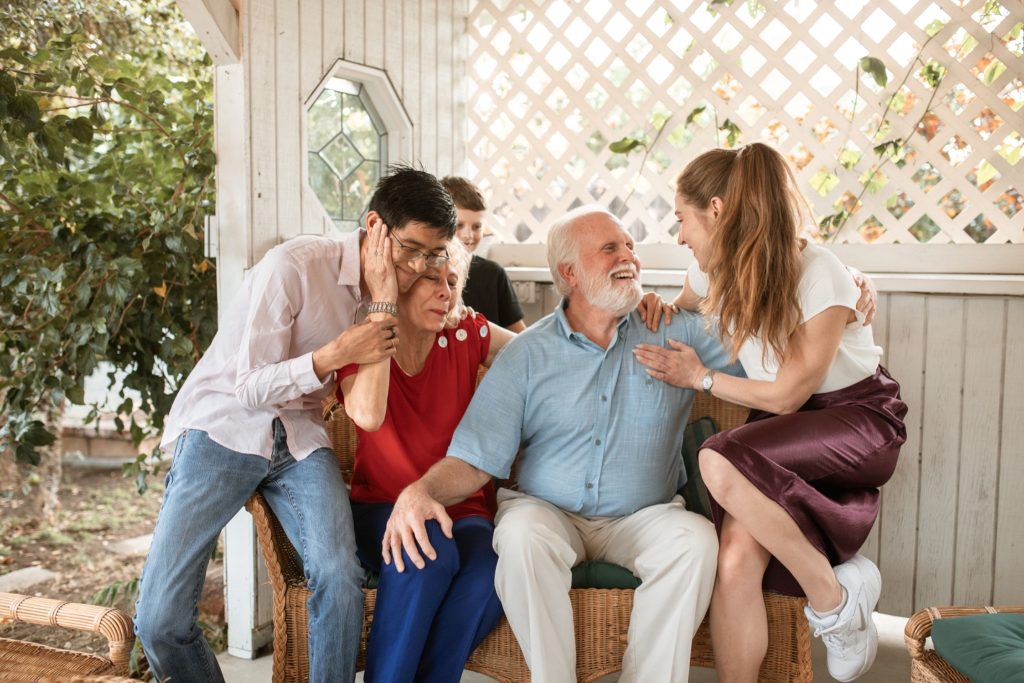
When you start managing family roles in dementia care, you’re juggling a lot more than doctor’s appointments. You’re making decisions nobody probably trained you for. You’re holding people together emotionally. Different family members can do different things. Your sister might be better with medical stuff. Your brother might just show up and help clean. Your cousin handles the money. Or one person handles it all.
That’s how it works.
The Primary Caregiver Carries Most of It
The main caregiver does most of the work. You’re probably the one giving baths, managing pills, driving to appointments, asking doctors the hard questions. If that’s you, you know how exhausting it gets. Some days you don’t shower. Some days you cry alone in the kitchen. The person doing this job needs people to step in and give them a break.
Your adult children often end up in this spot if they live close. You might feel guilty that you’re not doing more. But honestly, if you burn out, everything falls apart. Your own health matters here.
Other Family Members Step In
Other adult children chip in differently. Maybe you visit once a week, help with yard work, or pay some bills. That counts. You give the main caregiver time to breathe. When something goes wrong medically, you show up. Caregiver family responsibilities look different for everyone.
Spouses are in a weird spot. You’re taking care of someone while mourning who they used to be. They’re still there but also gone. You’re lonely even though you’re not alone. Nobody talks about this part enough. Getting help isn’t giving up. It’s surviving.
Sometimes grandkids help out. A teenager might do dishes or sit with grandpa. An adult grandchild might handle insurance or coordinate meal prep. Your age and what’s going on in your life shapes what you can actually do. Saying no to things you can’t handle keeps everyone safer.
Siblings who live far away can still contribute. One handles insurance claims. Another coordinates food. A cousin researches treatment options. When someone ends up in the hospital, everyone pitches in. Dementia care support rolesdon’t require you to live in the same house.
Talk About Who’s Doing What
But here’s what happens in a lot of families when it comes down to family roles in dementia care: nobody talks about who’s doing what.
Then resentment builds… You think your sister isn’t helping enough. She thinks you’re not appreciating what she does. Have the conversation early. Write it down if you need to. Spell out who handles what and why. It sounds boring until it saves your family from exploding.
Your job might be part of this too. Some employers understand these situations and may be willing to work with you. Ask for what you need. Flexible hours. Remote work. Unpaid time off. A lot of companies have options they don’t advertise.
Working With the Medical Team
When it comes to family roles in dementia care, the nurses and doctors become part of your team. Tell them what works. Tell them what doesn’t. Tell them what your loved one is afraid of. The medical staff can’t do their job well if they don’t know your family.
Family meetings help. Sit down every few months and check in. What’s working? What’s falling apart? What’s changed? Year one looks nothing like year three. The main caregiver might need more help. Someone else might step into a bigger role.
Alzheimer caregiving duties shift as the disease progresses. You adjust as you go.
The Hard Conversations Nobody Wants
Money conversations are difficult but you need them. Who is responsible for juggling the finances? What happens when savings run out? Should you look at senior care facilities? These talks are not easy but skipping them can make things worse later.
Get legal stuff done early. Who makes medical decisions? Who has power of attorney? Handle this before emotions are running high. It prevents fights when you’re already stressed.
Respite Care Isn’t Optional
The person doing most of the caregiving can’t do it all. Period.
Respite care lets them leave for a few hours or a weekend. That’s not optional, but survival for the one carrying the load.
Finding Support and Resources

Photo by RDNE Stock project
The National Alliance for Caregiving has practical resources at www.caregiveraction.org, and the Alzheimer’s Association offers specific guidance at www.alz.org. Both sites have real information for families doing this work.
Family Roles in Dementia Care: You’re Not Doing This Alone
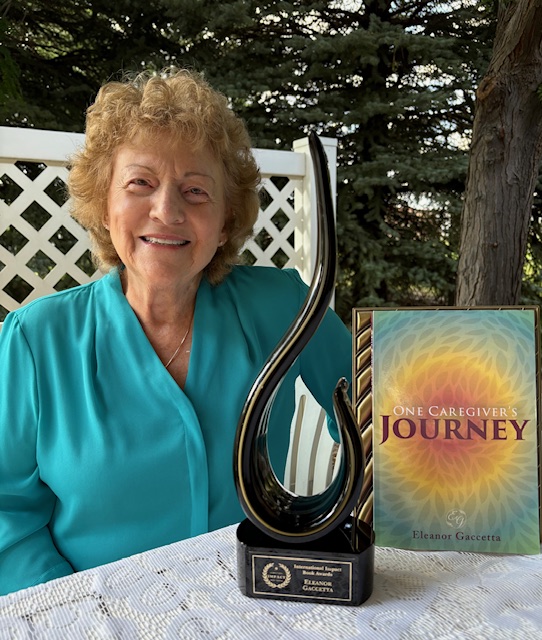
If you’re in the thick of this right now, Eleanor Gaccetta’s “One Caregiver’s Journey” will hit provide insight and information to help families
She spent 9.5 years taking care of her mom until she died at home at age 102. The book is honest in a way most advice isn’t. She talks about the funny moments, the terrible moments, and everything in between. It reads like she’s sitting across from you telling her story. She doesn’t sugarcoat what caregiving does to you, but she also doesn’t make you feel like you’re failing. The American Home Health industry has called it a blueprint for caregivers.
Whether you just started this or you’re years in, you’ll recognize your own life in these pages. It’s practical and real. It’s the kind of book that reminds you that what you’re doing matters and that you’re not the only one losing sleep over this.
You’re doing hard work. Don’t forget that. Now, grab your copy of One Caregiver’s Journey today!