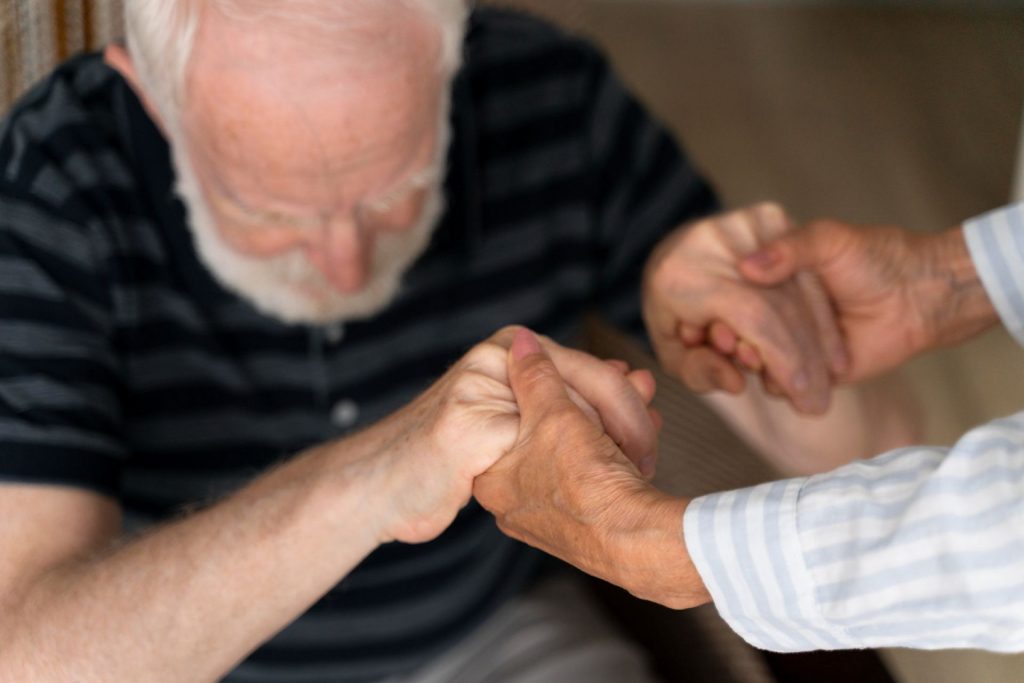
Photo by magnific
When we begin to age, we lose things–a lot of them–in the process. Some physical, and some mental. For those of us who are witnesses to the slow change, it can be devastating. The parent who once fixed everything now struggles to open a jar, and the grandparent who told stories now forgets names.
These shifts are hard for everyone.
For the elderly person experiencing them, it can feel like a slow erosion of who they are. This is where saving face becomes vital to preserving the dignity of elderly patients.
Protecting their sense of self-worth even when their bodies or minds fail them can be a minor issue, but it could mean everything and then some for some people.
Photo by Jonathan Borba
Everyday Actions That Preserve Respect
Small gestures carry enormous weight, and how you greet an elderly person will set the tone for the entire interaction (the same with everyone else, really!). As such, always address them by their preferred name while looking them in the eye when speaking.
These simple acts communicate that they matter.
Avoid the temptation to speak about them as if they’re not in the room. This happens more often than people realize. A doctor might say to a family member, “She is doing well,” while the patient sits right there. This erases the person from their own story.
Personal care is where dignity is most vulnerable for the elderly. Bathing, dressing, and using the toilet are private activities–and needing help with these can feel humiliating. Helping them avoid public humiliation requires thoughtfulness. So, remember closed doors and curtains, keeping them covered with a towel as much as possible, and allowing them to do whatever they can independently. Even if it takes longer, you have to let them try because this preserves their sense of capability and control.
Communication and Social Connection
Words can either heal or harm. This is quite important to remember because the way we speak to aging relatives can actually shape their emotional reality. When engaging with older people, a lot of people adopt a louder, slower voice, assuming the person cannot hear or understand.
This is often incorrect.
When you are with someone who’s old, speak naturally and with warmth. If they need clarification, they will ask you.
Isolation is a silent enemy. When seniors stop going out, they lose touch with the world and may feel forgotten or invisible. As a younger relative, it’s important you encourage social connections by helping them set up video calls with other members of the family, especially younger ones. The old love talking to the young.
Understanding a person’s history deepens respect–the one you have for them and the one they feel from you. So be curious! Did they serve in the military? Were they a teacher, a farmer, or an artist? These identities do not just disappear with age. They shape how a person sees themselves and the world. A veteran may value order and discipline, while a former teacher may love intellectual discussion.
Honoring these aspects of their identity shows that you see them fully while providing a graceful way out of an awkward mistake when you accidentally misinterpret their behavior.
Instead of judging, you can ask, “Is this connected to your time in the service?” This opens a door for connection rather than shame.
Dementia and memory loss can present unique challenges for everyone, the ones experiencing them and the ones who have to engage with it.
Watching a loved one forget important details is painful. Yet even when memories fade, the need for dignity must persist.
Allowing autonomy when an elderly person is experiencing mental decline is essential, especially if it’s still in the earlier stages. Letting them hold the reins, regardless of whether or not they fail, is important.
This concept is sometimes called the “dignity of risk.”
If an older adult wants to wear mismatched socks, let them. If they prefer to eat dessert before dinner, why not? These freedoms preserve a sense of normalcy and control and send a message that the person is still trusted to make decisions about their own life.
Alongside cognitive decline, we also have to be aware of trauma. Vestiges of bad experiences, large or small, often live in the body long after the event. Many older adults have lived through abuse, poverty, or war. These experiences can shape their reactions to care. For example, a person who’s been through war may be terrified of enclosed spaces or loud noises. Someone who’s experienced abuse, on the other hand, may flinch at a sudden touch.
Being aware of this history is crucial.
Therefore, always approach older people with care, gentleness, and clear communication. Try to explain every action before you take it. The intent should always be to build trust and provide a way out even in difficult moments.
Thus, what is a potentially frightening experience transforms into a safe one.
Photo by Kássia Melo
There’s A Path Forward
Helping our elders live with grace is a profound act of love and requires us to set aside our own frustrations and see the world through their eyes.
Therefore, we must choose patience over efficiency, respect over convenience, and dignity over reputation.
This is not always easy. It’s often messy and exhausting. Yet it’s also deeply meaningful.
Every person deserves to end their life with their dignity intact.
This is not a gift we give them but a right they have always possessed.
Our role, as caregivers and family members, is simply to honor that right. We can do this through our words, our actions, and our presence. By always offering a hand that does not condescend and an ear that truly listens. Lastly, we can offer a heart that loves without conditions.
The journey of caregiving is not meant to be walked alone. Look for them, and there are resources and guides available to help, along with tools that offer practical advice and emotional support. They can make the path clearer and less lonely. Do not hesitate to seek them out.
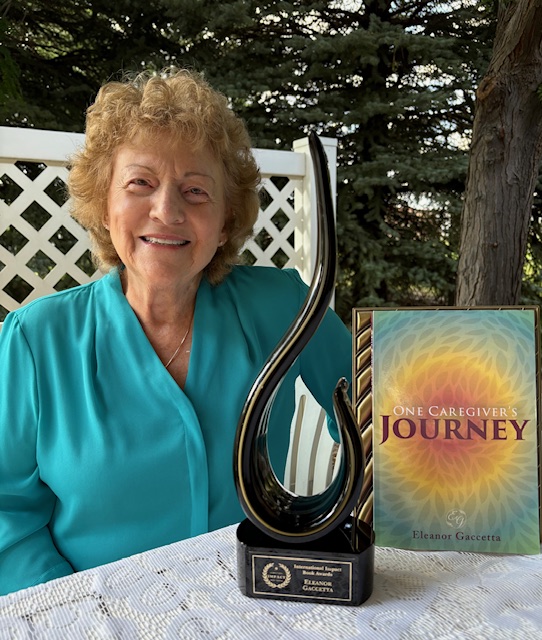
Pick up Eleanor Gaccetta’s One Caregiver’s Journey. This heartfelt book provides stories and guidance from someone who has walked this path.