


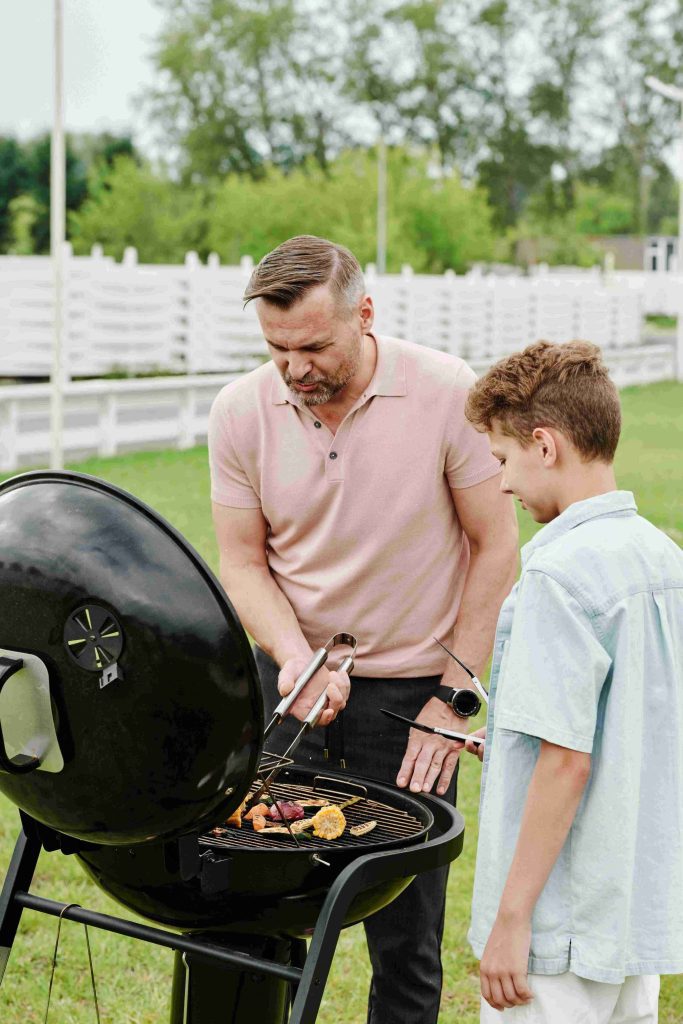
Summer is here! The sun is shining, school is out, and your kids are looking for something to do. What if you could turn that extra time into a fun, learning experience that also helps you out? The answer is right in your kitchen.
Teaching kids summer cooking is more than just a way to keep them busy. It’s a chance to teach them important life skills, boost their confidence, and create amazing family memories. If you’ve ever worried about your kids not eating healthy, making a mess, or getting bored over the summer, this is the perfect solution.
This guide will walk you through everything you need to know to get your kids excited about cooking. We’ll keep it simple, safe, and super fun!
Why Summer is the Perfect Time for Kids to Learn Cooking
Cooking with kids might sound messy, but the benefits are huge. Summer offers the perfect relaxed environment to start.
- No Homework Stress: Without the pressure of school and homework, kids (and parents!) are more relaxed and open to learning new things.
- Fresh Ingredients: Summer is bursting with fresh, colorful, and tasty fruits and vegetables from gardens and farmer’s markets. It’s the best time to get kids excited about healthy food.
- Builds Life Skills: Cooking teaches math (measuring), science (how heat changes food), reading (recipes), and following directions.
- Boosts Confidence: When a child makes something and the family enjoys it, their pride and self-esteem skyrocket. A study by the American Psychological Association found that children who complete tasks like cooking have higher self-esteem and are more self-reliant.
- Encourages Picky Eaters: Kids are much more likely to try a food they helped make. It’s a secret trick to get them to eat their veggies!
According to a report by the Academy of Nutrition and Dietetics, children who are involved in meal preparation are more likely to have healthier eating habits and a positive relationship with food that can last a lifetime.
Getting Started: Safety and Setup First
Before you dive in, a little preparation makes everything safer and more enjoyable.
1. Create a Kid-Friendly Zone
Clear the counter of anything you don’t need. If your child is small, use a sturdy stool or chair so they can reach the counter safely. Make sure all pot handles are turned inward on the stove to prevent bumps.
2. Teach the Golden Rules
Go over these simple safety rules every time you cook:
- Wash Hands Always: Make this a non-negotiable first step.
- Hot & Sharp: Explain what is hot (the stove, oven, and food from the microwave) and what is sharp (knives, peelers, graters). Always have an adult handle these at first.
- Clean as You Go: Spills happen! Teach them to wipe up spills right away to prevent slips.
3. Gather the Right Tools
You don’t need fancy gadgets. Start with:
- A small, lightweight cutting board
- A plastic lettuce knife or a small, dull paring knife for beginners (with close supervision)
- Measuring cups and spoons
- Mixing bowls in different sizes
- A vegetable peeler
- A sturdy whisk
Age-Appropriate Tasks: What Can My Child Do?
The key to success is giving kids jobs they can handle. This builds their skills without frustration.
Ages 3-5 (Little Helpers):
- Washing fruits and vegetables
- Tearing lettuce for salads
- Stirring batter or mixes (in a wide, stable bowl)
- Sprinkling toppings on pizzas or salads
- Using cookie cutters on soft foods
Ages 6-8 (Sous Chefs):
- All of the above, plus:
- Cracking eggs (do this in a separate small bowl first!)
- Measuring and pouring ingredients
- Mashing soft foods like bananas or avocados
- Using a vegetable peeler (with help)
- Setting the timer
Ages 9-12 (Junior Chefs):
- All of the above, plus:
- Reading the recipe from start to finish
- Using a can opener
- Slicing and chopping with a small knife (with supervision)
- Making simple salads and sandwiches on their own
- Using the microwave and toaster oven independently
- Greasing baking pans
Teens 13+ (Head Chefs):
- Can follow a recipe from start to finish with minimal help.
- Can use the stove and oven (after proper training).
- Can be challenged to plan and cook an entire meal for the family once a week.
5 Fun & Easy Summer Recipes to Try
These recipes are designed to be easy, no-cook or low-cook, and perfect for little hands.
1. “Sunshine on a Stick” Fruit Kabobs (No Cook)
This is a great first recipe. It teaches patterns and is fun to eat!
- What You Need: Wooden skewers (blunt-end are best), a variety of cut-up fruits (strawberries, pineapple chunks, grapes, melon balls, banana slices).
- Let’s Make It:
- Wash and prepare all the fruits. An adult can do the big chopping.
- Let your child create patterns on the skewers. For example: strawberry, pineapple, grape, repeat!
- Serve on a plate. You can even add a little drizzle of yogurt or honey.
2. “Build-Your-Own” Taco Bar (Low Cook)
Kids love having control. A taco bar lets everyone build their perfect meal.
- What You Need: Taco shells or soft tortillas, ground meat or black beans (cooked by an adult), shredded cheese, chopped lettuce, diced tomatoes, salsa, sour cream.
- Let’s Make It:
- An adult can cook the meat or warm the beans.
- Set up all the toppings in small bowls. This is a perfect job for kids—they can shred cheese, wash and tear lettuce, and dice tomatoes (with help).
- Let everyone build their own tacos at the table!
3. “Cool as a Cucumber” Sandwich Shapes (No Cook)
Turn a boring sandwich into a fun summer treat.
- What You Need: Bread, your favorite sandwich spread (like cream cheese, peanut butter, or hummus), cookie cutters.
- Let’s Make It:
- Let your child spread the cream cheese or hummus on the bread.
- Use cookie cutters to cut the sandwich into fun shapes like stars, dinosaurs, or hearts.
- Add some cucumber slices on the side for a cool, crunchy treat.
4. “Frozen Yogurt Berry Bites” (No Cook)
A healthy, frozen snack that’s better than store-bought popsicles.
- What You Need: Silicone mini-muffin tray, yogurt (any flavor), berries (blueberries, raspberries).
- Let’s Make It:
- Let your child spoon yogurt into each cup of the muffin tray, filling it about halfway.
- Drop a few berries into each cup.
- Place the tray in the freezer for at least 2 hours.
- Pop out the frozen bites and store them in a bag. A perfect cool-down snack!
5. “Personal Pan” English Muffin Pizzas (Low Cook)
A classic for a reason! It’s simple, customizable, and delicious.
- What You Need: English muffins, pizza sauce, shredded mozzarella cheese, toppings like pepperoni, sliced olives, bell peppers.
- Let’s Make It:
- Split the English muffins in half and let your child spread the sauce on each one.
- Sprinkle cheese and let them add their favorite toppings.
- An adult can broil them in the oven for 3-5 minutes until the cheese is bubbly and melted. Let them cool before eating!
Making it a Fun Learning Experience
- Embrace the Mess: It’s going to happen. Wear aprons, put down newspaper, and focus on the fun, not the flour on the floor.
- Let Them Choose: Give your child two recipe options and let them pick the one they want to make. This gives them ownership.
- Talk About the Food: Use simple terms. “Look how the heat melted the cheese! That’s a physical change.” or “When we mix the baking soda with the vinegar, it makes a gas that makes our pancakes fluffy!”
- Praise the Effort, Not Just the Result: Say, “You did a great job stirring that so carefully!” This encourages them to keep trying.
Frequently Asked Questions (FAQs)
Q: My kitchen is so small. How can I cook with kids without going crazy?
A: Keep it simple! Choose no-cook recipes or ones with very few ingredients. You can also do the prep work on the kitchen table to spread out. Remember, it’s about the time together, not a gourmet meal.
Q: My child is a very picky eater. Will this really help?
A: It can! The process of touching, smelling, and preparing food makes a child more familiar and comfortable with it. They don’t have to eat it at first. The goal is to reduce the fear of new foods. Often, their curiosity will win, and they’ll take a tiny “chef’s taste.”
Q: What if I’m not a great cook myself?
A: That’s perfect! You can learn together. Pick simple recipes you’ve never tried before. It shows your child that it’s okay to not be an expert and that learning is a lifelong process. It’s a team effort.
Q: At what age can my child use the stove or oven by themselves?
A: There’s no magic age, as it depends on the child’s maturity and focus. Many kids are ready to use the stove with close supervision around age 10-12. Start with simple tasks like stirring a pot of soup while you are right beside them. Always teach them to use oven mitts and to turn off the burner when done.
Q: How do I handle the mess?
A: Make cleaning up part of the recipe! Teach them that good chefs clean their stations. Turn on some music and make washing dishes or wiping counters a fun end-of-cooking ritual.
