Photo by Alexey Baikov
Being a caregiver can sometimes feel like being trapped in a snowstorm. The world outside blurs as the cold seeps into your bones, and the path forward seems hidden behind a white, swirling wall.
The feeling of being snowed under is a very real part of why caregiving can be overwhelming and why lots of caregivers burn out. The burden doesn’t just come from the physical tasks that caregivers do. There’s the emotional weight too, the isolation, and the constant worry that piles up like drifts of snow.
However, just as a storm eventually passes, a caregiver can find a way to not just survive but to emerge warmer after the snow.
Photo by Alex Dolle
Being a caregiver is filled with moments of deep love but also with intense pressure. Many caregivers face similar struggles, from the physical exhaustion of late nights to the mental fatigue of managing medications and appointments. Stress is a constant companion. Thus, it’s crucial to understand that these feelings are normal and that feeling buried by responsibility does not make you a failure.
Many people walk this path, and many have found ways to come out on the other side stronger and warmer after the snow. The key is learning to manage the storm.
Understanding the Weight of the Storm
The weight a caregiver carries is often invisible to the outside world.
People always only see the capacity for people to handle a difficult task, but rarely do they see the toll it takes on the person, both physically and mentally. Being a caregiver is a long-term, high-stakes role that can lead to burnout if not carefully managed.
This weight manifests in many ways, including changes in sleep, eating habits, and overall mood.
The demands of being a caregiver are relentless. Unlike a job with set hours, caregiving often continues through the night and into the next day—especially if you’re a family caregiver.
This constant need to adapt is a major contributor to the overwhelming feeling, where it’s not just about doing tasks but about being constantly “on” and ready to respond to any crisis.
Understanding the nature of this stress is the first step toward managing it effectively.
When the Storm Keeps You In
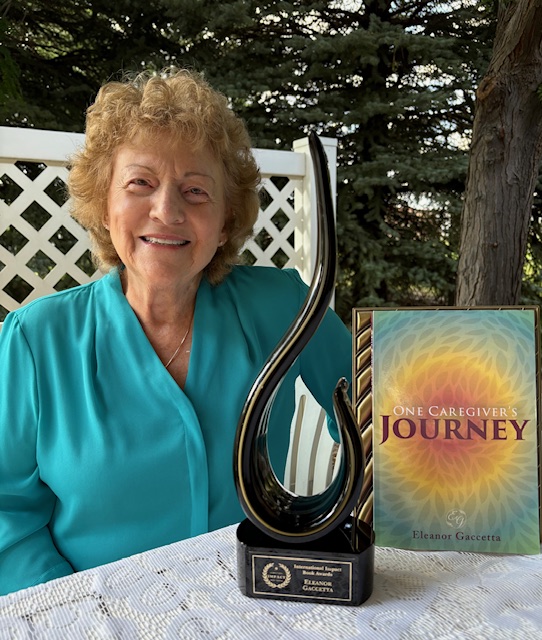
Isolation is one of the most significant challenges in a caregiver’s life. As Eleanor Gaccetta notes in One Caregiver’s Journey, her social circle shrank dramatically as her duties as a caregiver increased. Friends who don’t understand the situation often drift away, leaving the caregiver feeling more alone than ever.
This loss of connection can make the snowstorm feel even colder.
The house, which was once a place of shared living, can start to feel like a gilded cage as the caregiver’s world becomes confined to the needs of their loved one and the four walls around them. Even simple outings become logistical challenges, often more stressful than they are worth.
Recognizing this isolation as simply a symptom of the caregiver role, rather than a personal failing, is an important step in validating the feelings you have and opens the door to finding ways to reconnect, even in small ways.
Finding Peace in the Winter
Even in the middle of a snowstorm, there can be moments of surprising stillness. For a caregiver, finding these moments is essential for survival.
This is about finding peace in the small things, which could be the quiet moment when a loved one finally falls asleep, or the few minutes spent with a cup of coffee before the day begins.
These aren’t just breaks; they are necessary refuges.
For Gaccetta, her daily exercise routine was a way of finding peace, a way to recharge and face the day. It was a time for her body and her mind to be “still” in the moment.
For others, it might be spending a few minutes with a favorite hobby or listening to music.
These activities are not selfish; they are essential for maintaining the patience and energy required for caregiving, providing a brief respite where the storm seems to quiet down.
Simple Pleasures Amidst the Cold
Simple pleasures can have a profound impact on a caregiver’s stress levels. These small, deliberate acts of self-care bring a moment of brightness to a long day, which could be something as simple as enjoying a favorite show, as Gaccetta did with the Ellen Show, or baking a batch of cookies.
These are not major undertakings but small islands of normalcy in a sea of responsibility.
These moments provide a crucial mental break, allowing the mind to step away from the constant worry and focus on something enjoyable. Indulging in simple pleasures is a way to reconnect with the person you were before caregiving took over. These are a form of resistance against the overwhelming nature of the role, proving that small moments of happiness are still possible.
Warm Comfort in Static Routines
While caregiving can be chaotic, routines provide a sense of calming comfort and soothing stability.
A predictable schedule for meals, medications, and daily activities can reduce the feeling of being thrown into a state of constant emergency. Creating a structure that both the caregiver and the care recipient can rely on is incredibly powerful, for its stability can be the antidote to the overwhelming feeling of a storm.
Formulating routines is not just about being efficient but about creating a safe harbor for yourself and the people you love. A routine offers up a framework where the caregiver can find their footing. Having a routine also means there are fewer decisions to make in the moment, which can help prevent burnout.
When you have something to follow, it provides a sense of control and predictability, even when the surrounding situation feels chaotic.

Photo by lifeforstock
The Journey Forward
The journey of a caregiver is a long one, marked by both deep sorrow and profound love. Eleanor Gaccetta’s experience shows that the goal is not to avoid the storm but to learn how to navigate it. It is about finding ways to stay warm and connected even when the world outside feels cold and isolating. This is the process of coming out warmer after snow.