Photo by freepik
Learning how caregivers advocate for themselves is essential if you want to be one: without saving yourself before others, you cannot provide the best care to those who need it.
There are plenty of stories about people jumping into caregiving without realizing that their own health and happiness matter just as much as the health and happiness of their charges.
Why Caregivers Forget Themselves
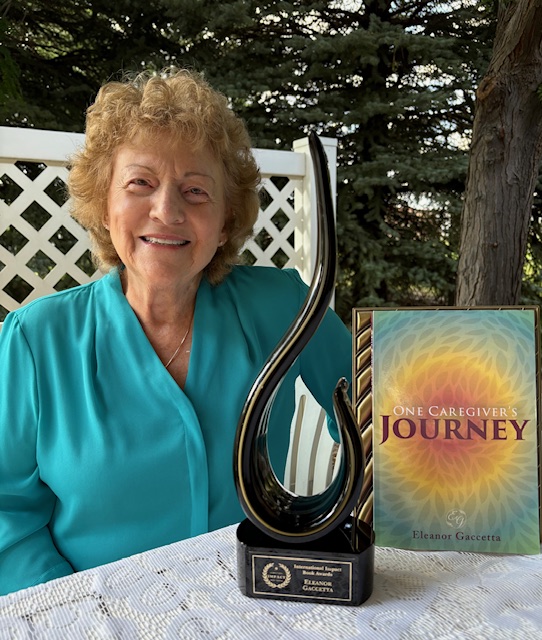
Eleanor Gaccetta spent over nine years caring for her mother. In her book One Caregiver’s Journey, she writes: “The life of a caregiver! What life? This is the question you will ultimately ask.”
Many caregivers pour everything into their loved ones and leave nothing for themselves.
You might think being a good caregiver means always putting the other person first–but this thinking is destructive and leads directly to burnout. When you run on empty, everyone suffers. Your patience runs thin, and your body gets tired, with your mind feeling foggy.

The truth is simple: you cannot pour anything out of an empty cup.
Mental health for caregivers matters just as much as physical health.
When you start ignoring your own needs, you risk getting sick, feeling angry, or making mistakes with medications or care routines.
Eleanor learned this lesson the hard way, writing about losing friends and feeling isolated. Yet, she also found ways to keep herself going.
Daily exercise and meditation became her anchors.
“Exercise is […] therapy.”
Signs You Need to Practice Saving Yourself Before Others
Caregiver burnout does not happen overnight; it creeps up slowly, with small signs appearing long before the inevitable crash.
Learning to spot these signs helps you practice saving yourself before others.
Physical signs include always feeling tired, even after sleeping: you might get more colds or headaches, and your body may ache in new ways.
Eleanor writes about cleaning up accidents at all hours and then starting her day at 4:30 a.m, knowing she had to keep her own body strong.
Emotional signs are harder to spot: you might feel angry at small things. Everything your loved one does may annoy you, and you may feel guilty for wanting time away.
Eleanor admits that spitting and repetitive questions drove her up the wall: “The fatigue from the repetitive phrases can be staggering, both physically and mentally.”
Mental signs include forgetfulness or trouble focusing, and you might make simple mistakes, and as decisions become harder, your brain feels cloudy.
When you notice these signs, stop and pay attention. They are telling you that compassion fatigue prevention needs to start right now.
Simple Ways to Set Healthy Boundaries
Setting healthy boundaries protects both you and your loved one, but boundaries are not walls: they are guidelines that keep your relationship strong.
Start small. Decide to take 30 minutes each day just for yourself, and use this time to breathe, stretch, or sit in silence.
Eleanor woke at 4:30 a.m. every day to meditate before her mother got up, saying that this “sets my head straight, is relaxing, and energizes me.”
Learn to say no to things that drain you: you cannot attend every family gathering or answer every phone call. Eleanor eventually stopped going to big family events because they confused her mother and exhausted them both: “Making the decision not to attend family gatherings has become easier for me.”
Ask for help when you need it. This can feel hard, but people often want to help, but they just do not know how. So, be specific: ask someone to sit with your loved one for two hours while you nap or run errands.
Eleanor had a brother who helped when he could and also befriended a retired nurse who gave her real breaks.
Finding Support Before You Break
No one can do this alone. Preventing caregiver burnout means building a support team, which might include family, friends, neighbors, or paid helpers.
Look for people who understand your situation. Eleanor found that “retired nurses are a great source for reliable help, assistance, and ideas.” She also stayed close to friends who had been caregivers themselves, people who got it and who did not judge.
Do not wait until you are desperate to ask for support. Reach out early. Join a support group in your area or online. Talk to your doctor about resources. Some communities have programs that give caregivers short breaks.
Eleanor learned about in-home medical care that made her life easier. She switched her mother to a doctor who made house calls, saving hours of stressful trips to appointments, writing: “There are options available for caregivers to lighten their loads.”
Remember that accepting help is not a weakness; it is wisdom.
“If you need a lifeline, take that outstretched hand with gratitude and joy.”
Making Yourself a Priority Too
Prioritizing self-care feels selfish at first, but it is actually the most loving thing you can do–for both you and your ward.
When you take care of yourself, you have more to give of yourself.
Eleanor kept up her own routines even while caring for her mother, exercising daily, and wearing makeup and nice clothes.
“Caregivers need to feel like they matter too, even if only to themselves.” Her mother stayed vain until the end, always wanting to look nice–and Eleanor learned from this, internalizing that taking ten minutes for yourself each morning changes how you face the day.
Find one thing that fills you up. Maybe it is reading, walking, baking, or dancing. Eleanor danced in her kitchen every night after the dishes, saying about dance, that it “is not only good exercise, but also good for the soul.”
Watch for guilt when you do things for yourself. Guilt lies and tells you to always be working.
But rest is work too: it repairs your body and mind.
Without rest, you cannot keep going.

Moving Forward With Strength
Caregiving ends someday. Eleanor’s mother passed away at 102.
After nine and a half years of care, Eleanor had to learn how to live again: “After Mom passed away, I had to find balance in my new life.”
Because she had taken care of herself during those hard years, she still had some strength left to rebuild. So, she traveled, remodeled her home, and reconnected with family.
“I am a better person for having provided care for my mother.”
Your caregiving journey may look different from hers, but the same truth applies: saving yourself before others is not optional.
Saving yourself is essential.
Want more wisdom from someone who walked this path for nearly ten years? Eleanor Gaccetta’s One Caregiver’s Journey shares real stories, honest struggles, and practical advice for anyone caring for a loved one.