Photo by Kwaku Griffin
When your loved one gets diagnosed with dementia, you’re facing some huge decisions, and figuring out hospice vs palliative care matters because it affects their comfort and your sanity. You need to know what each one does, how they’re different, and which fits your family’s situation. This is your walkthrough so you can pick what actually makes sense for your situation.
Most families get confused about hospice vs palliative care because they both focus on comfort instead of trying to cure. Palliative care starts earlier and runs alongside other treatments to ease pain and make life better. Hospice shows up when when health declines and medical interventions fail, usually in the last months or weeks. Getting this difference straight helps you recognize when you need each one.
How Palliative Care Helps Your Loved One
Palliative care focuses on the person, not the disease. Your loved one is assigned to a team of doctors, nurses, and social workers who know how to relieve pain and handle symptoms like confusion, restlessness, and trouble swallowing. Palliative care is designed to assist the patient and family until hospice care takes over.
Palliative care starts after diagnosis and keeps going with other treatments at the same time. Your family support includes counseling, breaks from caregiving, and actual medical support. Advanced dementia care planning is part of palliative care spectrum and includes training family how to care for feeding tubes, medicines and how to adjust as dementia advances at the end before your loved one can’t tell you what they want.
Understanding the differences between hospice vs palliative care early takes the pressure off. When you learn this before things get urgent, you can make choices based on what really matters to your family instead of panicking.
What Hospice Does at the End
Hospice is all about comfort when someone is requires end of life care. A hospice team brings nurses, aides, chaplains, and counselors to your home to manage pain, help with symptoms, and support the family.
Unlike palliative care, hospice doesn’t usually mean hospital stays or aggressive treatments. The goal is helping someone die peacefully with their loved ones around them. Your family learns to recognize patterns of change in what the patient experiences. Hospice workers prepare a family so you’re not blindsided.
Hospice vs Palliative Care: The Main Differences
Here’s what sets them apart when you’re looking at hospice vs palliative care. Palliative care can start anytime after diagnosis and keeps going as long as you need it. Your loved one might get palliative care for years while doing other treatments. too. Hospice usually starts only when health deteriorates and death is eminent.
Insurance works differently for each. Medicare and most insurance covers palliative care as regular medical care. Hospice needs a physician’s order to certify the decline in health. The real difference between hospice vs palliative care is they both want to stop suffering, but they look at the outcome differently. Hospice is about comfort at the end of life, while palliative care allows treatment to continue and the patient remain active.
When Dementia Gets to the End
As dementia gets worse, your loved one loses the ability to talk and eat. This is when hospice medical services matter. Unlike cancer, the stages of dementia decline will make hospice the obvious next step in health care.
Many families use both. Palliative care provides the patient with options to remain active and hospice care steps in when the patient exhibits signs that the end of life is near. Your loved one never stops getting comfort care, the focus just shifts.
When to Choose Palliative Care
Palliative care helps when a patient is mobile but needs help with controlling some symptoms. Understanding hospice vs palliative care helps you assess when a patient’s health declines and which services each one offers. Palliative care offers families help in determining what quality of life means to your family.
Palliative care works best when you start early. Your loved one can still say what they want, and the team helps write it down. When someone has early or middle dementia, these talks don’t feel rushed. Dementia end of life supportstarts with planning while they can still tell you what matters.
When Hospice Is Right
Hospice care is offered at the advice of a doctor or palliative care provider. The patient’s health has declined and medical options are exhausted. You choose hospice when what matters most to you shifts to comfort and the end of life is obvious.
This doesn’t mean giving up hope. It means stopping the fight and focusing on them being comfortable and not hurting. A lot of families feel relief when they move to hospice because finally everyone knows what you’re doing.
Helping Your Family Through This

Photo by Kampus Production
Whichever you pick between hospice vs palliative care, putting comfort first should be the focus. What matters is quality of life. Your job is doing what they’d want and what feels right for your family.
Talk to your doctor about what’s out there near you. Most hospitals have both options. You can also call the National Hospice and Palliative Care Organization or the Center to Advance Palliative Care to find help for what you’re dealing with.
A Real Resource for You
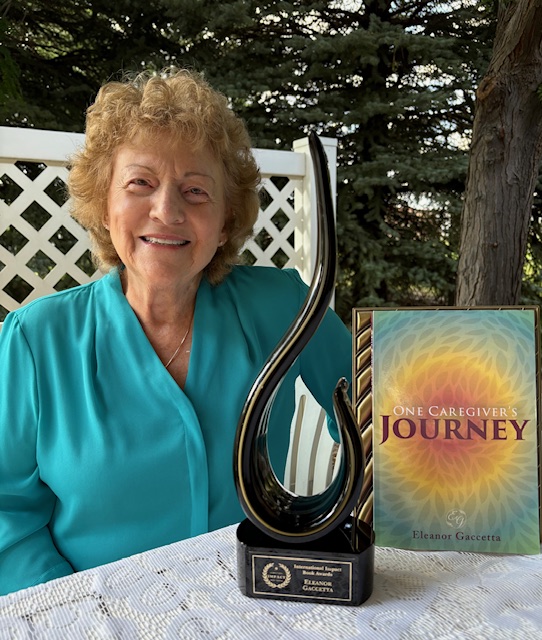
If you’re taking care of someone with dementia, you’re not alone in this. A lot of people face these same choices and feel lost dealing with all the feelings that come up. Eleanor Gaccetta spent 9.5 years taking care of her mom full-time and talks about the exact moments when things change and how to be there through it all.
Her book One Caregiver’s Journey is the one–the real resource for you to consider. In Eleanor’s book, she is honest about handling symptoms, not burning out, and knowing when to stop fighting the disease and just focus on comfort. She provides a blueprint of what works and not theories. If you’re caring for someone with dementia, this book shows you how to figure all this out with real wisdom and heart. Grab your copy of One Caregiver’s Journeytoday!