

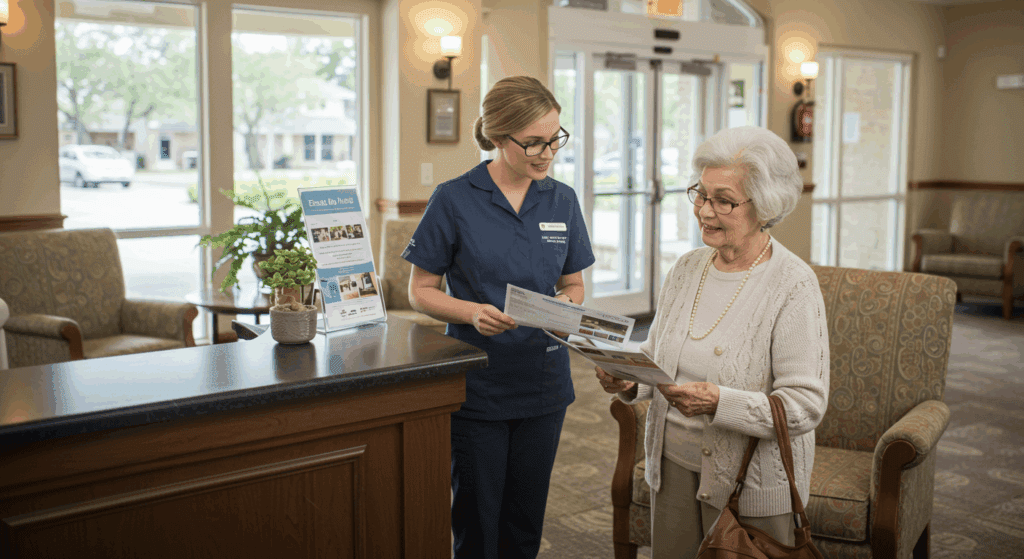
Caring for a loved one with dementia is a journey of love, patience, and many challenges. As the disease progresses, you may hear the word “hospice” from a doctor or another caregiver. This word can feel scary. Many people think hospice is only for the last few days of life, but that is not true.
Hospice is a special type of care focused on comfort, dignity, and quality of life when a person is facing a terminal illness. The goal is not to cure the disease, but to manage symptoms and provide emotional and spiritual support for both the patient and their family.
This article will clearly explain the qualifications for hospice care for a dementia patient. Our goal is to answer your questions directly, ease your worries, and help you make the best, most loving decision for your family.
What Are the Main Qualifications for Hospice with Dementia?
For a dementia patient (like those with Alzheimer’s disease) to qualify for hospice, two main things must be true:
- The patient is in the late stages of the disease.
- They have had specific medical complications related to their dementia.
Medicare and most insurance companies use a set of guidelines to decide if someone is eligible. Think of these guidelines as a map that helps doctors identify when a person is likely in the final six months of their life, if the disease runs its normal course.
Here are the key signs doctors look for.
Difficulty with Activities of Daily Living (ADLs)
This is one of the most important areas. Can your loved one take care of their own basic needs? To qualify for hospice, a patient must need help with all or most of the following:
- Bathing: Unable to bathe themselves.
- Dressing: Unable to choose clothes or put them on.
- Toileting: Incontinent of bladder and bowels (has regular accidents).
- Transferring: Unable to move from a bed to a chair without major help.
- Eating: Has trouble swallowing, chokes frequently, or needs to be fed.
If your loved one needs hands-on help for all these tasks, it is a strong sign that the disease is very advanced.
Medical Complications
In addition to needing help with daily life, the patient must have had at least one of the following in the past year:
- Recurrent Infections: Like pneumonia or kidney infections, even with treatment.
- Difficulty Swallowing: Leading to weight loss or dehydration. They may be eating less and less.
- Significant Weight Loss: Losing a large amount of weight without trying, even with help feeding.
- Multiple Skin Ulcers: Having pressure sores (bedsores) that won’t heal, especially late-stage sores.
A Specific Functional Score (FAST Scale 7C)
Doctors often use a tool called the Functional Assessment Staging Scale (FAST). This scale tracks the progression of dementia. To qualify for hospice, a patient typically needs to be at Stage 7C or beyond. What does this mean?
- 7A: Can no longer speak more than a few words.**
- 7B: Can no longer walk without help.**
- 7C: Can no longer sit up without help.
- 7D: Can no longer smile.
- 7E: Can no longer hold their head up.
Reaching stage 7C needing help to sit up is a common benchmark for hospice eligibility.
Who Makes the Decision for Hospice Care?
It’s not just one person. The decision is a team effort.
- The Doctor: Your loved one’s primary care doctor or neurologist must certify that the patient meets the medical guidelines for a terminal illness with a life expectancy of six months or less.
- The Hospice Medical Director: This doctor will also review the patient’s records and agree with the diagnosis.
- You, The Family: Your input is crucial. You see your loved one every day. Your observations about their eating, sleeping, infections, and overall decline are vital evidence for the doctors.
Statistics to Know:
- According to a study by the National Hospice and Palliative Care Organization (NHPCO), only a small percentage of dementia patients are referred to hospice in a timely manner, often because families and doctors wait too long.
- Hospice care is fully covered by Medicare Part A, Medicaid, and most private insurance plans. This means you should not have to pay for this care out of pocket.
What Does Hospice Care Actually Provide?
Once your loved one qualifies, a whole team of experts comes to you—whether you are at home or in a facility. The hospice team includes:
- Nurses to manage pain and other symptoms.
- Home Health Aides for personal care like bathing.
- Social Workers to help with emotions and logistics.
- Chaplains or Spiritual Counselors for spiritual support.
- Trained Volunteers to give family caregivers a break.
- Bereavement Counselors to support the family for over a year after a death.
They also provide all necessary medical equipment (like a hospital bed or wheelchair) and medications related to the terminal illness.
Common Myths About Hospice and Dementia
Myth 1: “Hospice means we are giving up.”
Truth: Hospice means you are changing the goal. You are shifting from trying to cure the disease to ensuring your loved one’s final months are as peaceful, comfortable, and dignified as possible. It is a gift of comfort.
Myth 2: “Once you go on hospice, you can’t go off.”
Truth: A patient can leave hospice at any time. If their condition unexpectedly improves or they decide to seek curative treatment again, they can be discharged from hospice.
Myth 3: “Hospice only lasts for a few days.”
Truth: A person can receive hospice care for as long as they continue to meet the eligibility criteria. The initial certification is for two 90-day periods, followed by an unlimited number of 60-day periods. The earlier a patient enters hospice, the more they can benefit from the full support system.
Frequently Asked Questions (FAQs)
Q: My mother has Alzheimer’s and is bedbound, but she still eats pretty well. Does she qualify?
A: Needing help with all daily activities and being bedbound (FAST Stage 7B) are strong indicators. However, if she is still eating well and has not had any major infections or weight loss, she might not yet meet all the criteria. It’s best to have her doctor perform a formal assessment.
Q: Can hospice help if my loved one is in a memory care facility?
A: Absolutely. Hospice is a service that comes to the patient. The hospice team will work with the facility’s staff to provide an extra layer of specialized medical and comfort care.
Q: What if the doctor doesn’t mention hospice?
A: You have the right to ask. You can say, “I’m concerned about my loved one’s quality of life. Could we evaluate them for hospice eligibility?” You are their advocate.
Q: Does hospice use morphine to “speed up” the process?
A: No. The goal of medications like morphine in hospice is to relieve pain and severe air hunger (the feeling of not being able to breathe). Properly managed, these medications provide comfort without hastening death.
Q: How does hospice handle behaviors like agitation or anxiety?
A: The hospice team is specially trained in managing the complex symptoms of end-stage dementia. They can provide medications and non-drug techniques to calm agitation and ensure the patient feels safe and peaceful.
Conclusion: A Step of Love and Compassion
Understanding when a dementia patient qualifies for hospice is about recognizing a significant shift in their journey. It is not about giving up hope, but about hoping for something different: hope for a pain-free period, hope for dignity, and hope for peace.
By knowing the signs—major help with daily activities, difficulty eating, recurrent infections, and significant decline you can have an informed, proactive conversation with your loved one’s doctor. Choosing hospice is a courageous and loving decision to prioritize comfort and quality of life, surrounded by a supportive team.
Call to Action
If the information in this article reflects what you are seeing in your loved one, your next step is to start a conversation.
- Talk to Your Family: Discuss what you have learned and how your loved one’s condition is changing.
- Contact the Doctor: Request an appointment specifically to discuss hospice eligibility and ask for a formal assessment.
- Reach Out to a Local Hospice: You can call a local hospice provider and ask to speak with an admissions nurse. They can often do a preliminary evaluation and help guide you.
You don’t have to walk this path alone. Help, comfort, and support are available.
You are not alone on this caregiving journey. For more support and resources, explore these other helpful articles:
If you are caring for your spouse at home, find guidance and support in How to Become a Caregiver for a Disabled Spouse at Home.
Caring for a loved one with dementia is exhausting. Learn how to protect your own health in Sleep Deprivation in Caregivers: A Silent Health Crisis.
If financial strain is adding to your stress, discover flexible and meaningful Top Side Hustles for Caregivers That Are Just as Rewarding.
The simple act of sharing a meal can be a powerful connection. Find inspiration in How Family Makes Food Taste Better.
Ensure your loved one’s safety and comfort from the ground up with our guide to the Best Shoes for Dementia Patients.
