Photo by MART PRODUCTION
How caregivers can recover from exhaustion matters. Millions face this question while caring for someone 24/7. Recovery feels impossible when your days blur together. But it’s possible. You can get your strength back. Learning how caregivers can recover starts with this truth: your health matters as much as the person you care for.
Figuring out caregiver fatigue recovery tips starts with recognizing what exhaustion feels like. You’re not just tired. You’re drained to your bones. Sleep doesn’t fix it. Your body hurts. Your brain feels foggy. You snap at people you love. You’re running empty. Understanding how caregivers can recover means noticing these signs instead of pushing through them.
Spot the Warning Signs Early
Catch burnout before it takes over. Your body sends signals. You get constant headaches. You sleep poorly or too much. Your appetite changes. You catch every cold. Your back aches. You feel drained. Understanding these signs helps you learn how caregivers can recover.
Emotionally, you’re irritable over small things. You avoid friends. You worry about the future or feel hopeless. Nothing interests you. You feel numb. These signs mean that how caregivers can recover has become urgent.
Establish Caregiver Burnout Prevention with Boundaries
Boundaries are your best caregiver burnout prevention tool. How caregivers can recover depends on protecting their time. Block one hour weekly for you. Walk. Read. Sit outside. Rest. Tell everyone this hour is protected. No interruptions. No guilt.
Say no. When someone asks if you can do something else, the answer is no. “I can’t do that” is enough. Your time runs out. Guard it.
Learning how caregivers can recover means saying no.
Implement Caregiver Rest Strategies that Actually Work
Effective caregiver rest strategies are personal. How caregivers can recover means finding what works for you.
Maybe you need to move. A twenty-minute walk shifts your mood. Maybe you need quiet. Five minutes of silence helps. Pay attention to what restores you. Then do that. How caregivers can recover depends on honoring what their body needs.
Get someone to help cover duties while you rest. How caregivers can recover often depends on asking family to step in. Someone watching your loved one for two hours weekly changes everything. If money is tight, look for free respite care programs.
Adopt Caregiver Self-Care Tips into Daily Life
Self-care is survival. Real caregiver self-care tips focus on basic functions. How caregivers can recover means creating habits that keep them functioning. These habits are non-negotiable.
Eat. Real meals. Soup. Sandwiches. Fruit. Your body needs fuel. Drink water all day long. Thirst feels like exhaustion. Move your body. Stretching for ten minutes helps. A short walk helps. Exercise shouldn’t feel like a punishment. When caregivers ask how they can recover, real experts say this: movement should feel good, not like another job on your list. How caregivers can recover includes moving in ways that bring pleasure.
Sleep matters more than anything else. Go to bed at the same time every night. Keep your room cool and dark. Put your phone away an hour before sleep. If you can’t sleep, talk to your doctor. Lack of sleep makes everything harder. Understanding how caregivers can recover means prioritizing sleep like your life depends on it.
Build Real Support Around You
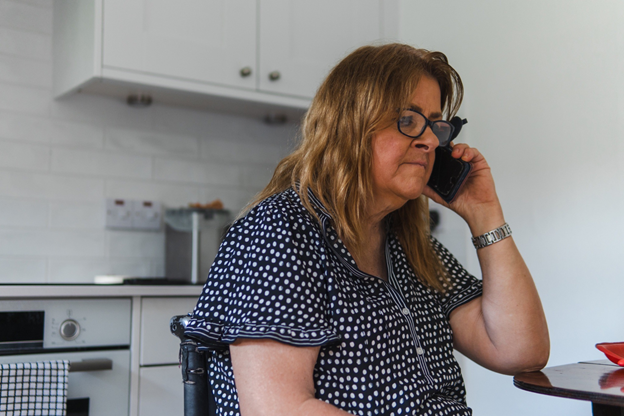
Photo by Centre for Ageing Better
You can’t do this alone. How caregivers can recover includes getting help. Real help from real people.
Find a support group. Online or in person. Sit with people who actually get it. Everything changes when you’re with people who understand. How caregivers can recover becomes possible when you stop hiding. Tell friends and family what you need. Be specific. Say “I need someone to sit with mom on Thursday afternoons.” That’s clearer than “I need help.” People want to help. Make it easy.
See a therapist if you’re depressed or anxious. Many therapists work with caregivers. This isn’t a weakness. Your mental health matters during these hard years. Professional support is how caregivers can recover mentally.
Access Resources that Support Your Recovery
The Alzheimer’s Association runs a 24/7 helpline. They have free support groups and resources. Go to https://www.alzheimers.org.
The National Institute on Aging has free guides. They cover medications, behavior changes, and caregiving strategies. Visit https://www.nia.nih.gov.
How Caregivers Can Recover: Move Forward with Confidence
How caregivers can recover has no magic formula. Rather, it’s small habits done over and over.
Recovery takes time. Be patient with yourself. Understand that how caregivers can recover isn’t one big breakthrough. It’s consistent, small choices done regularly. How caregivers can recover happens through persistence.
The truth is, caregiving changes you.
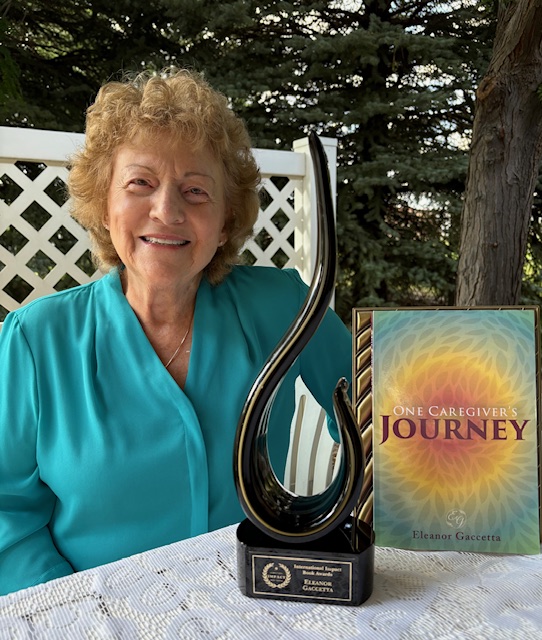
You’ll have days where you question everything. But you find strength you didn’t know you had. Read “One Caregiver’s Journey” by Eleanor Gaccetta for insight into how caregivers can recover. She spent nine and a half years caring for her mother until the woman turned 102. She talks about the real stages you go through and shares strategies that actually work. If you’re wondering how caregivers can recover, this book is for you.
Your recovery matters. Your health matters. The person you care for needs you to be healthy. Start today! You deserve support.