Photo by www.kaboompics.com
Key TakeAways showSleep deprivation impacts family caregivers’ health in ways many people do not see at first.
A caregiver might shrug off a restless night or two, assuming it’s simply part of the job. But when those nights stack up—week after week, month after month—the body begins to keep score. Caring for a loved one often means late-night medication checks, listening for movement down the hallway, or waking at the faintest sound. Over time, sleep becomes fragmented, shallow, and sometimes scarce.
Caregiving is an act of devotion, yet the effects of sleep deprivation on caregivers are both physical and emotional. Many family caregivers average far less than the recommended seven hours of sleep each night. According to sleep research summarized by health organizations, insufficient sleep increases the risk of heart disease, diabetes, depression, and weakened immunity. When a caregiver consistently sleeps less than seven hours, their body struggles to repair itself and regulate hormones that control stress and mood.
That’s why discussions about caregiving rarely stay focused only on the person receiving care. The caregiver’s health matters too.
When Exhaustion Becomes the New Normal
At first, the warning signs seem mild.
But gradually, sleep deprivation impacts family caregivers’ health in deeper ways. Fatigue affects memory, attention, and decision-making. When someone wakes several times each night, the brain never completes the deeper stages of sleep that support cognitive recovery. Over time, caregivers may struggle to keep track of medication schedules, appointments, or simple daily tasks.
This persistent exhaustion often leads to caregiver fatigue, a state where the body and mind feel worn down by the ongoing demands of care. It’s not laziness or weakness. It’s biology. The brain simply cannot function well without rest.
Researchers have found that sleep loss can trigger anxiety, depression, and emotional instability because it disrupts the brain’s stress response systems.
And yet many caregivers push through it. They have to.
The Body Keeps the Score
Here’s the part many caregivers underestimate: sleep deprivation impacts family caregivers’ health far beyond feeling tired.
The body depends on sleep to regulate hormones, blood pressure, immune defenses, and metabolism. Without enough rest, inflammation rises, and the risk of chronic illness increases. Long-term sleep deprivation has been associated with high blood pressure, cardiovascular disease, diabetes, and obesity.
This growing list of caregiver health risks makes sense when you consider how demanding caregiving can be. Many family caregivers juggle several roles at once:
- Managing medications and medical appointments
- Helping with bathing, dressing, or mobility
- Handling household responsibilities
- Balancing work and family obligations
When these tasks stretch late into the night, sleep often becomes the first sacrifice.
And the body notices.
Burnout Doesn’t Happen Overnight: Sleep Deprivation Impacts Family Caregivers’ Health
Another quiet consequence of chronic exhaustion is emotional depletion. When someone spends months or years in a cycle of interrupted sleep, stress accumulates like a slow leak.
This is where caregiver burnout symptoms often appear.
A caregiver might feel detached, overwhelmed, or unusually cynical about situations that once felt manageable. Compassion fatigue sets in. The emotional reserves that once fueled patience begin to run dry.
Again, this isn’t a character flaw. It’s a physiological response to long-term stress and sleep loss.
When sleep deprivation impacts family caregivers’ health, the nervous system stays in a constant alert mode. The body releases stress hormones such as cortisol and adrenaline. These chemicals are helpful in short bursts, but harmful when they remain elevated for months.
Eventually, the caregiver’s own health begins to deteriorate.
Why Rest Is Part of Caregiving

Many caregivers hesitate to prioritize sleep because they feel responsible for everything. Yet protecting sleep is not selfish. Thing is, it’s practical.
Think about it like maintaining a vehicle that runs every day. If the engine never cools down or receives maintenance, it eventually breaks down. The human body works the same way.
When sleep deprivation impacts family caregivers’ health, even small improvements can make a meaningful difference. Caregivers often benefit from simple adjustments such as:
- Taking short daytime naps when possible
- Sharing nighttime duties with another family member
- Using respite care services occasionally
- Establishing consistent bedtime routines
These steps may seem modest, but they help restore the body’s natural sleep cycle.
Public health experts also emphasize the importance of adequate sleep for overall health and disease prevention. The Centers for Disease Control and Prevention highlights that regular sleep supports immune function, mental health, and cardiovascular stability.
In other words, sleep is a biological necessity.
The Quiet Courage of Caregivers
Caregiving often happens behind closed doors. There are no applause breaks for midnight medication reminders or early-morning doctor visits. Yet, these daily acts of care carry immense emotional weight.
When sleep deprivation impacts family caregivers’ health, it reminds us that caregivers are human beings with limits. They need support, encouragement, and sometimes simply the reassurance that their experience is shared by many others.
Stories from fellow caregivers can provide that reassurance.
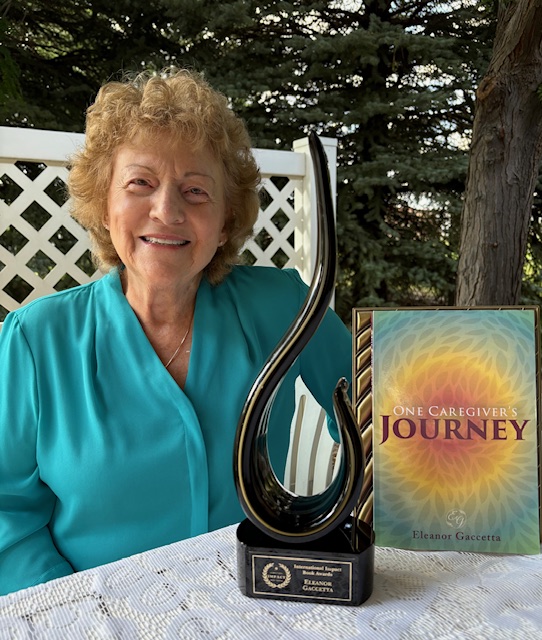
One particularly meaningful example is One Caregiver’s Journey by Eleanor Gaccetta. In this heartfelt memoir, the author shares what it was like to provide round-the-clock care for her mother for nine and a half years. Her mother lived to the remarkable age of 102, and the book chronicles the emotional ups and downs that came with that responsibility.
The book offers practical guidance and insight that caregivers can apply to their own situations. For anyone navigating long nights, emotional strain, and the quiet sacrifices of caregiving, One Caregiver’s Journey offers companionship and wisdom.
Consider picking up a copy. Sometimes the most powerful support comes from someone who has walked the same path and is willing to share what they learned along the way.